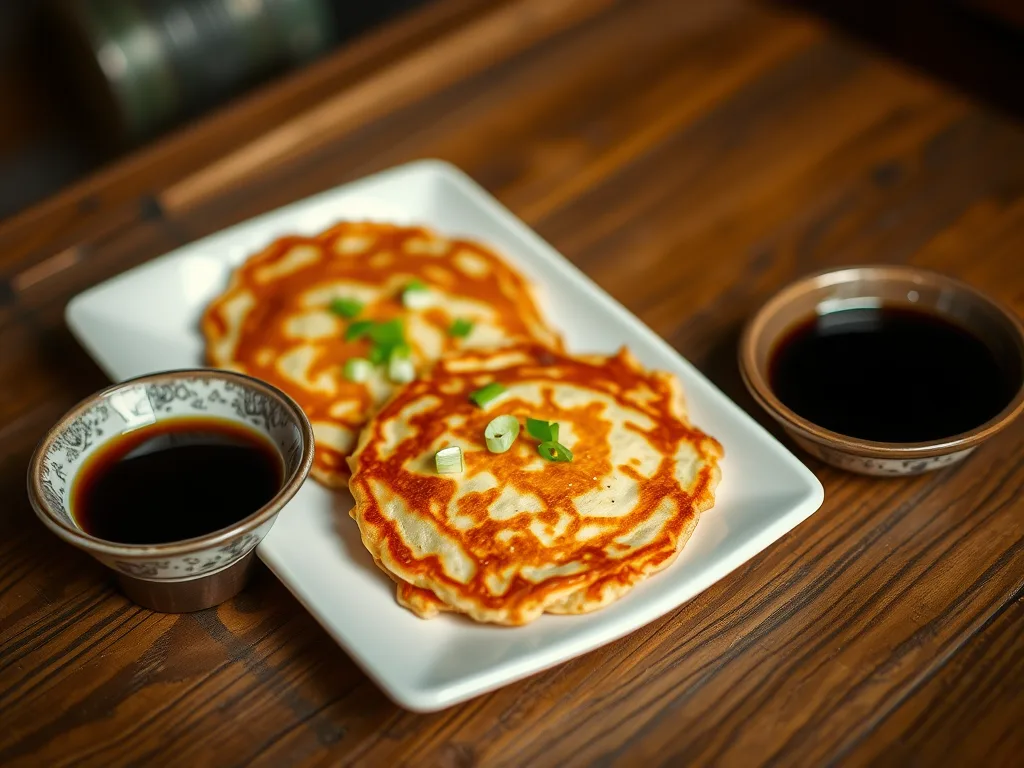
The Story Behind Kimchi Pancakes (Kimchijeon)
Kimchi — fermented napa cabbage — is the cornerstone of Korean cuisine, consumed at virtually every meal in hundreds of regional and family variations. Kimchijeon (김치전) uses aged, sour kimchi as both flavoring and structural ingredient for a savory pancake, known as jeon, that is crispy at the edges, chewy in the center, and explosively tangy and spicy throughout. Pancakes have been part of Korean cuisine for over a thousand years, and jeon — savory fritters bound with a simple batter — appears at celebrations, ancestral rites, market stalls, and ordinary family meals alike. What I love about this dish is how humble it is: a little leftover kimchi, a simple batter, a hot pan, and suddenly you have something that tastes like it came from generations of kitchen wisdom. Kimchijeon is the kind of food that reminds me that great cooking does not always begin with luxury ingredients. Sometimes it begins with what is already in the fridge, especially something fermented, seasoned, and full of personality.
The kimchi pancake is specifically described as rainy day food in Korea: the sound of batter sizzling in the pan supposedly resembles rainfall, making it a comfort food people crave during storms. The best version uses old, well-fermented kimchi — the sourer the better — whose deep, complex flavor carries the entire pancake. That tanginess is not a flaw; it is the whole point. Older kimchi brings acidity, spice, funk, and a little sweetness, and when it hits hot oil, those flavors concentrate into something bold and craveable. From Chef Ruben’s kitchen perspective, this is also one of those recipes that teaches technique without making you feel like you are in cooking school. Spread the batter thin enough so the edges can crisp, resist moving it too early, and use enough oil to let the pancake fry instead of simply steam. I also like to save a little kimchi juice for the batter because it adds color and that unmistakable fermented punch. If the batter looks too pale, that juice is usually the missing magic. If it looks too thick, a splash of cold water can loosen it just enough to spread across the pan.
There is something beautiful about how kimchijeon turns leftovers into a centerpiece. In many kitchens, extra kimchi might be tucked in the back of the refrigerator until it becomes sharper and more intense. In Korean cooking, that is not waste — that is opportunity. Sour kimchi becomes stew, fried rice, noodles, dumplings, and of course this pancake. Every time I make kimchijeon, I think about how many cultures have their own version of crispy batter comfort: fritters, flatbreads, pancakes, arepas, tortillitas, and more. The Korean version stands out because kimchi brings so many layers before you even add anything else. For extra flavor, scallions add freshness, onion adds sweetness, and a little gochugaru can deepen the red color and spice. The pan should be hot enough that the batter sizzles immediately, but not so fierce that the outside burns before the middle cooks through. When the edges turn lacy and browned, that is when you know it is time to flip. Serve it cut into wedges with a simple dipping sauce of soy sauce, vinegar, sesame oil, and scallions, and you have a dish that feels casual, social, and deeply satisfying. Kimchijeon is snack food, side dish, appetizer, and late-night comfort all at once — proof that simple food can still carry history, technique, and soul.
Time and Servings:
- Prep Time: 15 minutes
- Cook Time: 15 minutes
- Total Time: 30 minutes
- Servings: 6 servings
Nutrition (per serving):
- Calories: 210 kcal
- Protein: 3g
- Fat: 10g
- Carbohydrates: 27g
- Fiber: 3g
- Sugar: 2g
- Sodium: 220mg
Ingredients:
- 2 lbs potatoes, peeled and sliced
- 1/4 cup apple cider vinegar
- 1/4 cup beef broth
- 1 small onion, finely chopped
- 1 tbsp Dijon mustard
- 1/4 cup vegetable oil
- 2 tbsp fresh parsley, chopped
- Salt and pepper, to taste
Instructions:
- Boil Potatoes:
- Place the peeled and sliced potatoes in a large pot of salted water.
- Bring to a boil and cook until the potatoes are tender but not falling apart, about 10-12 minutes.
- Drain the potatoes and let them cool slightly.
- Make Dressing:
- In a medium bowl, whisk together apple cider vinegar, beef broth, Dijon mustard, vegetable oil, salt, and pepper until well combined.
- This tangy dressing adds a signature flavor to the salad.
- Assemble Salad:
- In a large mixing bowl, combine cooked potatoes with finely chopped onion and fresh parsley.
- Pour the dressing over the warm potatoes and gently toss to coat evenly.
- Serve:
- Serve the Kartoffelsalat warm or at room temperature for the best taste.
- Perfect as a side dish with grilled meats, sausages, or schnitzel.
Tips for Success:
- Potato Type: Use waxy potatoes like Yukon Gold or red potatoes for the best texture.
- Flavor Boost: Let the salad sit for 15-20 minutes to absorb the dressing before serving.
- Customization: Add crispy bacon bits or chopped pickles for additional flavor.
Wine, Cocktail, Drink Pairing:
- Pair with a crisp German Riesling or a refreshing lager beer to enhance the tangy flavors of the salad.