The Story Behind Arroz con Gandules
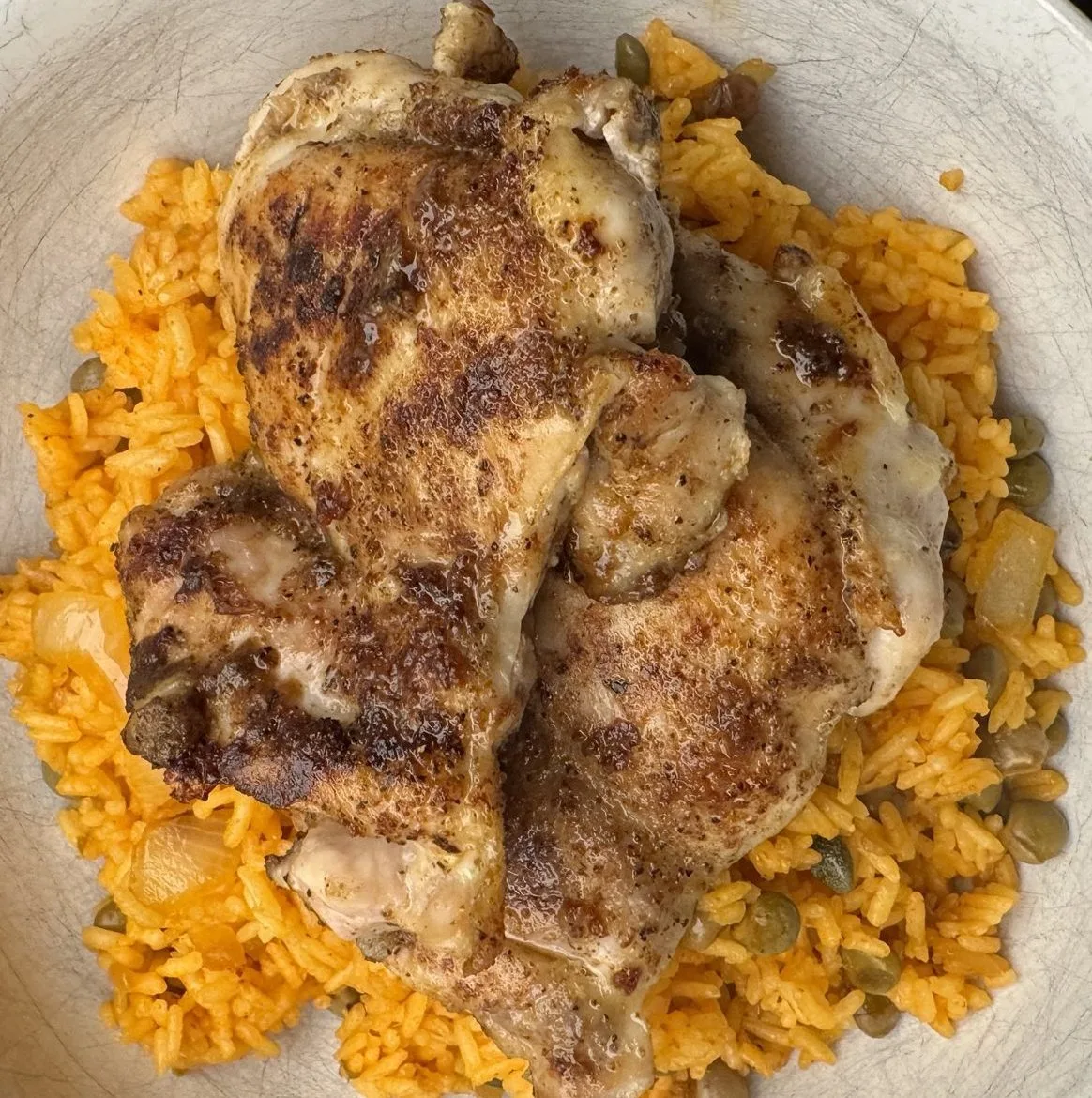
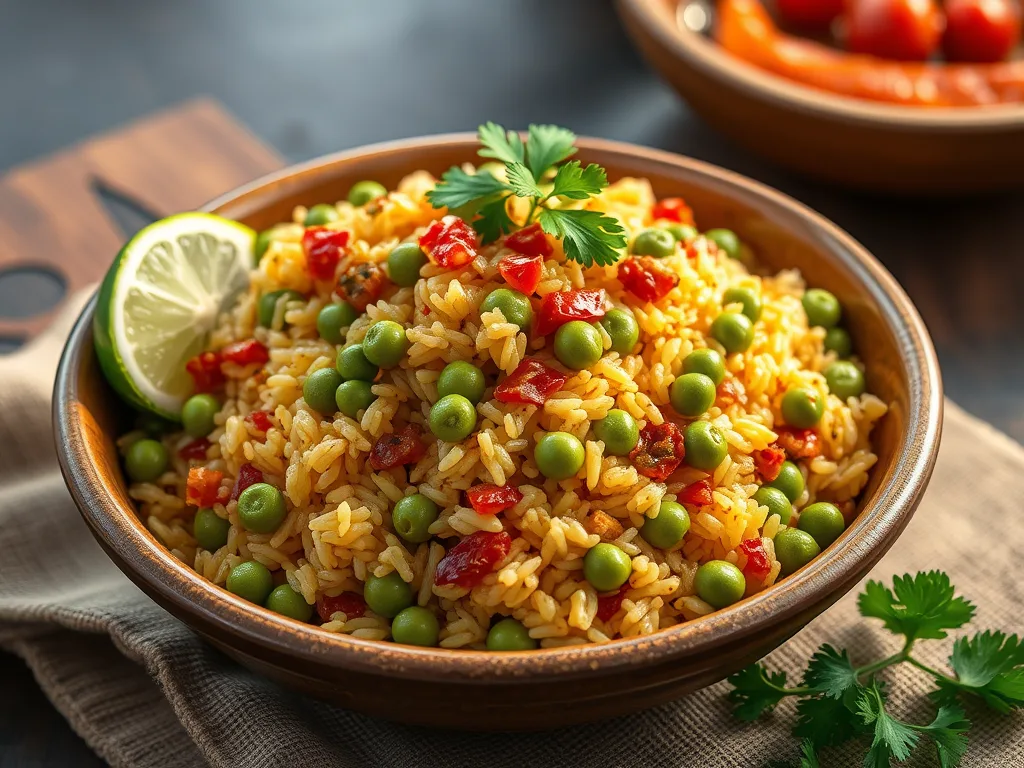
Arroz con Gandules — rice with pigeon peas — is widely regarded as the national dish of Puerto Rico. A one-pot wonder seasoned with sofrito, sazón, and recao, it is the centerpiece of virtually every important family gathering and holiday celebration on the island. Its golden color, savory aroma, and bold flavors make it instantly recognizable as the heart of Puerto Rican cuisine.
Pigeon peas (gandules) were brought to the Caribbean from Africa during the colonial era and quickly became a dietary staple throughout the region. In Puerto Rico, they were combined with Spanish rice-cooking traditions and indigenous Taíno seasonings to create a dish that is both deeply practical and culturally rich. The addition of sofrito — a fragrant blend of herbs, peppers, garlic, and onions — gives the dish its unmistakably Puerto Rican character.
In Puerto Rican homes, Arroz con Gandules is synonymous with celebration and belonging. It appears at Christmas, Thanksgiving, quinceañeras, and Sunday family dinners alike. For Puerto Ricans living in the diaspora, a steaming pot of Arroz con Gandules is often the strongest edible link to the island they carry with them.
What makes this dish special is that every family has its own way of making it. Some add pork, ham, or bacon for smoky depth. Some insist on olives, capers, or a little tomato sauce. Some like the rice softer, while others chase the prized pegao, the crispy layer of rice at the bottom of the pot. That pegao is not a mistake; it is often the bite people fight over because it carries concentrated flavor and texture.
As Chef Ruben, Arroz con Gandules feels like one of those recipes that says family before anyone sits down. The smell of sofrito hitting oil, the color of sazón blooming in the pot, and the sound of rice simmering under a tight lid all feel like home. The technique is about trust: measure the liquid, season boldly, cover the pot, and let the rice cook without constant stirring. When it comes out fluffy, savory, and full of gandules, it is more than a side dish. It is Puerto Rican identity served by the spoonful.
Time and Servings:
Prep Time: 10 minutes
Cook Time: 30 minutes
Total Time: 40 minutes
Servings: 6 servings
Nutrition (per serving):
Calories: 240 kcal
Protein: 5g
Fat: 5g
Carbohydrates: 40g
Fiber: 4g
Sugar: 2g
Sodium: 220mg
Ingredients:
- 2 cups long-grain rice
- 1 can (15 oz) pigeon peas, drained and rinsed
- 1/4 cup sofrito
- 1 packet sazón with annatto
- 1/2 tsp cumin
- 2 1/2 cups chicken broth (or vegetable broth for vegetarian option)
- 2 tbsp olive oil
- Salt and pepper, to taste
Instructions:
- Cook Sofrito:
- In a medium-sized pot, heat olive oil over medium heat. Add sofrito and sauté for 2-3 minutes until fragrant.
- Add Ingredients:
- Stir in the rice, pigeon peas, sazón, cumin, salt, and pepper. Mix well to coat the rice with the seasoning.
- Add Broth:
- Pour in the chicken broth and bring the mixture to a boil. Stir once to ensure even distribution.
- Simmer:
- Reduce the heat to low, cover the pot with a tight-fitting lid, and simmer for 20 minutes. Avoid lifting the lid during cooking.
- Fluff and Serve:
- Once the rice is fully cooked, remove the pot from heat and let it rest, covered, for 5 minutes. Fluff the rice with a fork before serving.
Tips for Success:
- Rice Consistency: Use long-grain rice for the best texture. Avoid stirring too much during cooking to prevent mushiness.
- Customize the Broth: Substitute chicken broth with vegetable broth for a vegetarian version.
- Perfect Sofrito: Use fresh sofrito for an authentic flavor. Store-bought works in a pinch but adjust salt levels accordingly.
- Even Cooking: Use a heavy-bottomed pot to distribute heat evenly and prevent burning.
Wine, Cocktail, Drink Pairing:
Pair Arroz con Gandules with a Chardonnay or a crisp Albariño for a refreshing complement to the dish's earthy flavors. For a non-alcoholic option, enjoy with a chilled glass of tamarind juice or sparkling water with lime.