The Story Behind Moroccan Couscous
Couscous — tiny granules of semolina wheat, steamed until fluffy — is one of the great staple foods of North Africa, eaten from Morocco and Algeria to Tunisia and Libya, and now embraced across the world. Its origins with the Berber people of the Maghreb stretch back at least 1,000 years — Arab manuscripts from 9th century Iraq reference a preparation called "kuskus," and archaeological evidence of couscous-making equipment has been found in North African sites dating to the 3rd century BCE. The Berbers developed the technique of rubbing semolina flour with water into tiny granules and then steaming them over broth in a couscousiere (a two-tier steamer), a method that produces a uniquely light, separated grain that absorbs sauce beautifully.
In Morocco, couscous is inseparable from Friday — it is the traditional Friday lunch dish, prepared for the weekly gathering of family after prayers, and its preparation is a communal act. The couscousiere gurgles on the stove for hours, the grains raked and steamed multiple times for maximum lightness, the vegetables and meat cooked separately in fragrant broth. France colonized Morocco from 1912 to 1956, and when North African immigrants came to France in large numbers in the latter half of the 20th century, couscous came with them. Today couscous is one of France's most consumed dishes — surveys consistently rank it among the top three most popular foods in France — a remarkable reversal of colonial-era cultural influence.
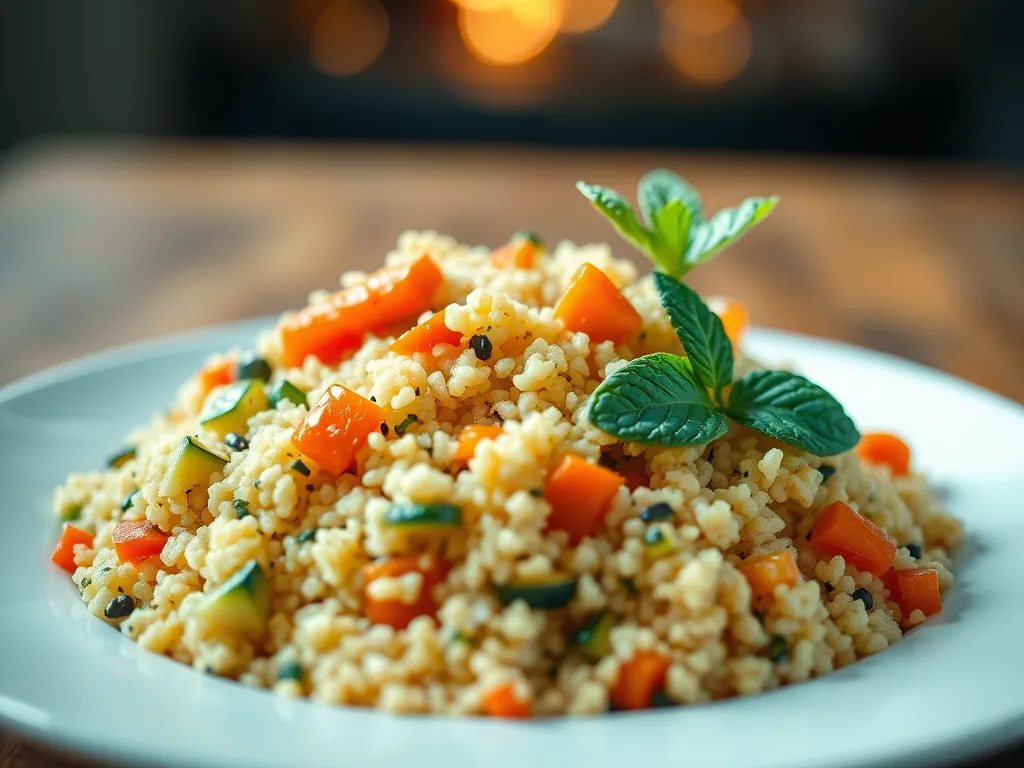
What makes Moroccan vegetable couscous so satisfying is that it feels abundant without needing to be heavy. Carrots, zucchini, turnips, chickpeas, squash, onions, and cabbage can all become part of the dish, simmered with warm spices until the broth carries their sweetness. The couscous itself should be light and fluffy, not clumped or wet, because its job is to catch the broth and support the vegetables. In traditional cooking, the grains are steamed more than once and fluffed by hand, a process that turns a humble staple into something delicate.
As Chef Ruben, I love couscous because it is both simple and ceremonial. A large platter of couscous with vegetables piled high in the center feels generous before anyone takes a bite. The colors are beautiful, the spices are warm, and the meal naturally invites sharing. Even a quicker home version can honor that spirit by seasoning the broth well, treating the vegetables with care, and finishing with fresh herbs or a drizzle of olive oil. It is comfort food with sunshine in it — nourishing, fragrant, and rooted in family tradition.
Time and Servings:
- Prep Time: 10 minutes
- Cook Time: 15 minutes
- Total Time: 25 minutes
- Servings: 4 servings
Nutrition (per serving):
- Calories: 220 kcal
- Protein: 5g
- Fat: 8g
- Carbohydrates: 34g
- Fiber: 4g
- Sugar: 6g
- Sodium: 150mg
Ingredients:
- 1 cup couscous
- 1/2 tsp ground cumin
- 1/2 tsp ground coriander
- 1 zucchini, diced
- 1 carrot, diced
- 1 bell pepper, chopped
- 1/4 cup raisins
- 2 tbsp olive oil
- Fresh mint (for garnish)
Instructions:
- Cook Couscous:
- Prepare the couscous according to package instructions.
- Typically, boil water, stir in the couscous, cover, and let it sit for 5 minutes.
- Fluff with a fork and set aside.
- Sauté Vegetables:
- Heat olive oil in a large skillet over medium heat.
- Add diced zucchini, carrot, and bell pepper. Sauté for about 5 minutes until softened.
- Stir in cumin, coriander, and raisins. Cook for another 2 minutes.
- Combine and Serve:
- Toss the couscous with the sautéed vegetables and spices until well combined.
- Transfer to a serving dish and garnish with fresh mint.
Tips for Success:
- Add Protein: Include chickpeas or grilled chicken for a more filling meal.
- Flavor Boost: Add a pinch of cinnamon or turmeric for an extra Moroccan touch.
- Freshness: Serve with a squeeze of fresh lemon juice for brightness.
Wine, Cocktail, Drink Pairing:
- Pair this dish with a light white wine such as Sauvignon Blanc or a refreshing mint tea for a traditional Moroccan experience.