The Story Behind Irish Soda Bread
Irish soda bread is a relatively young tradition with a surprisingly precise origin story. Before the mid-19th century, Irish bread was typically made with yeast or a sourdough starter. But when bicarbonate of soda (baking soda) arrived in Ireland in the 1840s — coinciding with the beginning of the Great Famine — it transformed Irish baking. Baking soda reacts with the lactic acid in buttermilk to produce carbon dioxide gas, leavening the bread without the need for yeast, time, or skill. For a rural Irish population facing poverty and famine, soda bread was a revelation: it could be made in minutes with the most basic ingredients — flour, buttermilk, salt, and baking soda — requiring no oven, just a bastible (a lidded cast iron pot) over an open peat fire.
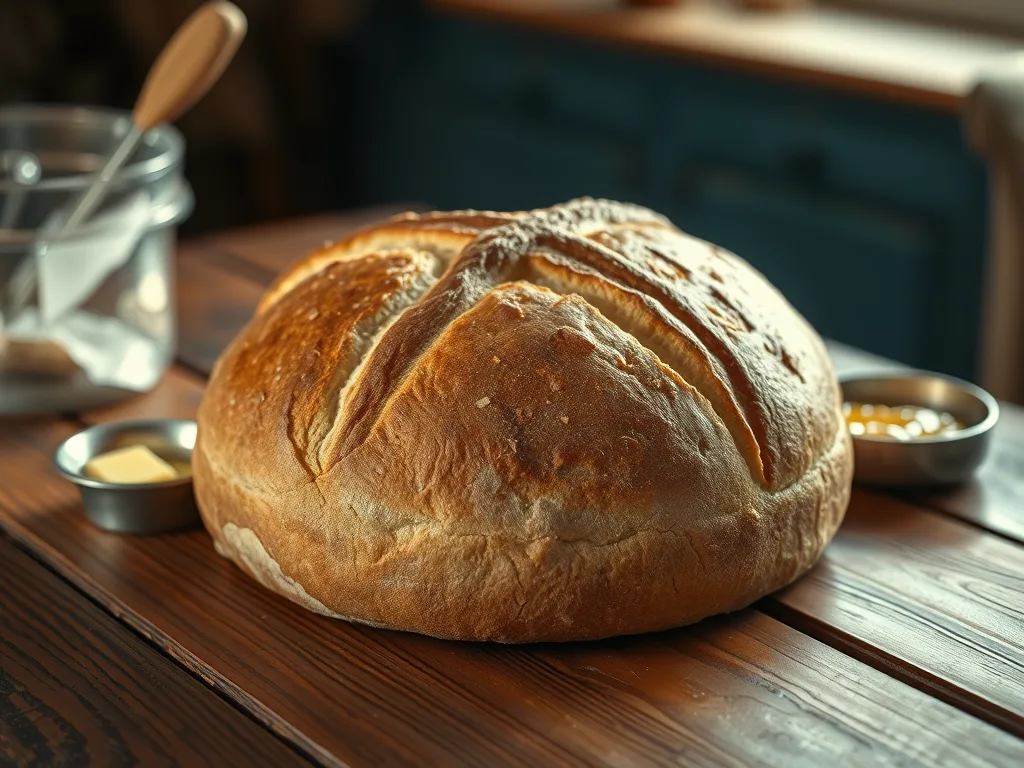
The traditional Irish soda bread is deliberately spare: soft wheat flour (lower in gluten than hard bread flour, suitable for the soft wheats grown in Ireland's damp climate), buttermilk, salt, and baking soda. The cross scored on top is not decorative — it was believed to ward off evil and let the fairies out, but it also allows the bread to expand during baking without cracking awkwardly. Soda bread became particularly associated with the Irish diaspora — the millions who left Ireland during and after the Famine carried the recipe to America, Britain, and Australia, where it became a symbol of home and heritage. Today, the debate between traditionalists who insist on the bare four-ingredient loaf and those who add raisins or caraway seeds is conducted with the kind of earnestness the Irish reserve for their most important cultural arguments.
What I appreciate about soda bread is that it is honest food. It does not ask you to proof yeast, knead for ten minutes, or wait all day. In fact, overworking the dough is one of the easiest ways to ruin it. The best soda bread comes from a light hand: mix just until the dough comes together, shape it gently, cut the cross, and get it into the oven while the baking soda and buttermilk are still reacting. That quickness is part of its character.
In my kitchen, Irish soda bread feels like the kind of recipe every home cook should know because it turns basic pantry staples into something warm, rustic, and deeply comforting. The crust bakes firm and golden, while the inside stays tender and slightly tangy from the buttermilk. It is beautiful with butter, jam, soup, stew, or a slice of sharp cheese. Whether you keep it plain or add raisins, the heart of the bread remains the same: simple ingredients, practical technique, and a long memory of people making nourishment from what they had.
Time and Servings:
Prep Time: 10 minutes
Cook Time: 40 minutes
Total Time: 50 minutes
Servings: 8 slices
Nutrition (per serving):
Calories: 180 kcal
Protein: 5g
Fat: 2g
Carbohydrates: 35g
Fiber: 1g
Sugar: 2g
Sodium: 300mg
Ingredients:
- 4 cups all-purpose flour
- 1 tsp baking soda
- 1 tsp salt
- 1 3/4 cups buttermilk
- 2 tbsp butter (optional, for brushing)
Instructions:
- Prepare Dough:
- In a large mixing bowl, combine the flour, baking soda, and salt.
- Gradually pour in the buttermilk, stirring with a wooden spoon or your hands until a soft, sticky dough forms.
- Shape and Bake:
- Turn the dough onto a floured surface and knead gently for about 1 minute.
- Shape the dough into a round loaf and place it on a parchment-lined baking sheet.
- Using a sharp knife, cut a deep cross on top of the loaf to help it bake evenly.
- Bake in a preheated oven at 375°F (190°C) for 35-40 minutes, or until the crust is golden and the bread sounds hollow when tapped on the bottom.
- Serve:
- Brush the warm loaf with melted butter for extra flavor (optional).
- Slice and serve with soups, stews, or simply spread with butter and jam.
Tips for Success:
- Buttermilk Substitute: If you don’t have buttermilk, mix 1 3/4 cups of milk with 1 tbsp of vinegar or lemon juice. Let it sit for 5 minutes before using.
- Avoid Overkneading: Knead the dough just enough to bring it together; overkneading can make the bread dense.
- Check for Doneness: Insert a skewer into the center of the loaf; it should come out clean.
Wine, Cocktail, Drink Pairing:
- Pair Irish Soda Bread with a glass of Irish stout or a cup of strong black tea for an authentic Irish experience. For a non-alcoholic option, serve with buttermilk or apple cider.