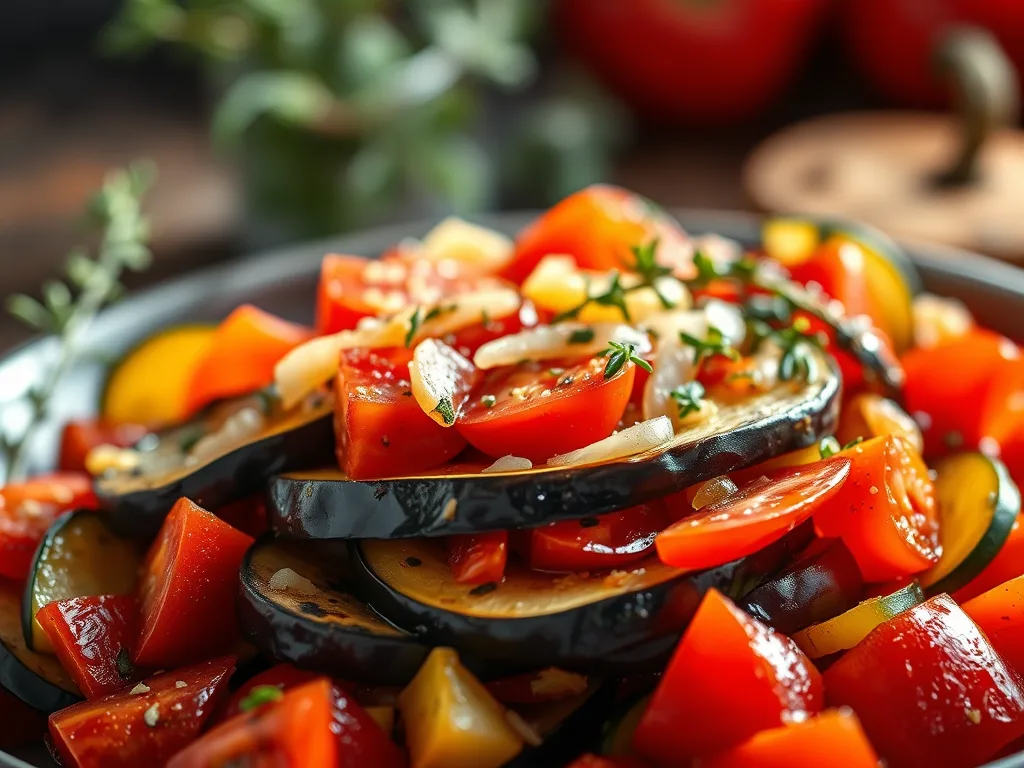
The Story Behind Classic French Ratatouille
Ratatouille is one of the great triumphs of Provençal cuisine — a vegetable stew from the south of France that has become one of the most beloved vegetable dishes in the world, helped considerably by Pixar's 2007 animated film of the same name. The dish originates in Nice and the surrounding Provence region, where the summer abundance of tomatoes, zucchini, eggplant, peppers, and herbs from local gardens naturally suggested a simple, long-cooked vegetable preparation. The name may derive from the French "touiller," meaning to stir or mix. Ratatouille is the quintessential expression of Provençal cooking's philosophy: use the best seasonal vegetables, cook them patiently in olive oil with garlic and herbs, and let the quality of the ingredients do the work. The dish gained legendary status in fine dining when chef Michel Guérard and later Thomas Keller, through the film, presented it as "confit byaldi" — a precisely arranged version with paper-thin vegetable slices baked in a tian pattern that elevated peasant food into art.
What I love about ratatouille is that it proves vegetables can be deeply comforting without needing meat, cream, or cheese. This is not a side dish that apologizes for being vegetables. It is vegetables at their fullest: sweet peppers, silky eggplant, tender zucchini, juicy tomatoes, garlic, olive oil, thyme, basil, and patience. From Chef Ruben’s kitchen, ratatouille feels like summer turning into dinner. The colors alone make you want to cook it, but the aroma is what keeps you near the stove. As the vegetables soften, they release their juices and mingle with olive oil and herbs until everything tastes like the south of France. It is rustic food, but rustic does not mean careless. The best ratatouille is built with attention. It respects each vegetable instead of treating them all the same, and that respect is what turns a pot of produce into something memorable.
One of the big questions is whether to cook the vegetables together or separately. Traditional home versions often simmer everything together, creating a soft, stew-like dish. More refined versions cook each vegetable separately before combining them, preserving texture and preventing the eggplant or zucchini from turning mushy. Both approaches can be delicious. The key is understanding that each vegetable behaves differently. Eggplant loves oil and needs time to become silky. Zucchini cooks quickly. Peppers become sweeter when softened slowly. Tomatoes provide acidity and body. Garlic and herbs tie it all together. Ratatouille can be served hot, warm, or room temperature, which makes it wonderfully flexible. It can sit beside roasted chicken or fish, be spooned over rice or couscous, tucked into omelets, served with crusty bread, or used as a pasta sauce. I also love it the next day, when the flavors have settled and deepened.
The dish carries the spirit of Provençal cooking: sunshine, gardens, olive oil, herbs, and resourcefulness. It began as practical seasonal cooking, but it became beloved because it captures something timeless. Ratatouille reminds us that when vegetables are treated with care, they do not need to imitate anything else. They are already enough. The technique also gives home cooks room to express themselves. Some cooks like it saucy and soft, almost like a vegetable ragù. Others prefer the vegetables more distinct, with each piece holding its own texture. Some add a little red wine, others keep it purely tomato and olive oil. Fresh basil at the end adds brightness, while thyme and bay leaf give a deeper herbal base. There is no need to rush it. The vegetables need time to surrender, mingle, and become more than the sum of their parts.
As Chef Ruben, I think ratatouille is one of those recipes that teaches patience without feeling intimidating. It is forgiving, colorful, healthy, and generous. It also makes the kitchen smell like someone is cooking with love. Serve it with a drizzle of good olive oil, a little flaky salt, and bread to catch the juices, and you have a dish that feels humble but complete. Ratatouille is proof that peasant food can become art not by changing what it is, but by showing the care that was always there.
Time and Servings:
Prep Time: 15 minutes
Cook Time: 35 minutes
Total Time: 50 minutes
Servings: 4 servings
Nutrition (per serving):
Calories: 120 kcal
Protein: 3g
Fat: 6g
Carbohydrates: 16g
Fiber: 5g
Sugar: 8g
Sodium: 40mg
Ingredients:
- 1 eggplant, sliced
- 1 zucchini, sliced
- 2 tomatoes, sliced
- 1 red bell pepper, sliced
- 1 onion, chopped
- 3 cloves garlic, minced
- 1 tbsp olive oil
- 1 tsp fresh thyme
- Salt and pepper, to taste
Instructions:
- Sauté Vegetables:
- Heat olive oil in a large skillet over medium heat.
- Sauté onions, garlic, and red bell pepper until softened and fragrant, about 5 minutes.
- Layer Vegetables:
- In a baking dish, spread the sautéed vegetables evenly.
- Arrange slices of eggplant, zucchini, and tomatoes in an overlapping pattern on top.
- Sprinkle with thyme, salt, and pepper to season.
- Bake:
- Cover the dish with foil and bake in a preheated oven at 375°F (190°C) for 30-35 minutes until the vegetables are tender and the flavors meld together.
- Serve:
- Serve hot or at room temperature as a side dish or a light main course.
- Pair with crusty bread or a green salad for a complete meal.
Tips for Success:
- Consistent Slicing: Keep vegetable slices uniform for even cooking and a visually appealing presentation.
- Herb Variations: Add fresh basil, oregano, or parsley for an aromatic boost.
- Rich Flavor: For a deeper taste, drizzle balsamic glaze before serving.
Wine, Cocktail, Drink Pairing:
- Pair Ratatouille with a light and crisp Rosé de Provence or a refreshing sparkling water infused with lemon and mint for a non-alcoholic option.