The Story Behind Pao de Queijo
Pao de queijo — Brazilian cheese bread — is one of the most addictive foods in the world: crispy outside, impossibly stretchy and chewy inside, with a rich, funky tang from aged Minas cheese. Its origins lie in the state of Minas Gerais in the 18th century, and its history carries the weight of Brazil’s painful past. Wheat flour was expensive and controlled by the Portuguese colonial authorities, leaving enslaved people on coffee and dairy farms with access only to local ingredients — primarily cassava root, whose starchy flour (polvilho) became the basis of this bread. The earliest versions were simple unleavened cassava rolls, made with what was available.
Cheese entered the picture in the 19th century after abolition, when dairy farming expanded in Minas Gerais and queijo Minas — a fresh, mild white cheese — became widely available. European immigrants who settled in the region incorporated the cassava flour rolls into their baking traditions, adding cheese and eggs to enrich them. By the mid-20th century, pao de queijo had become the beloved breakfast and snack of all Brazilians, sold in every padaria (bakery), coffee shop, and street corner from the Amazon to Sao Paulo. Its journey from the enslaved kitchen to national icon is a quietly profound story of culinary survival and transformation.
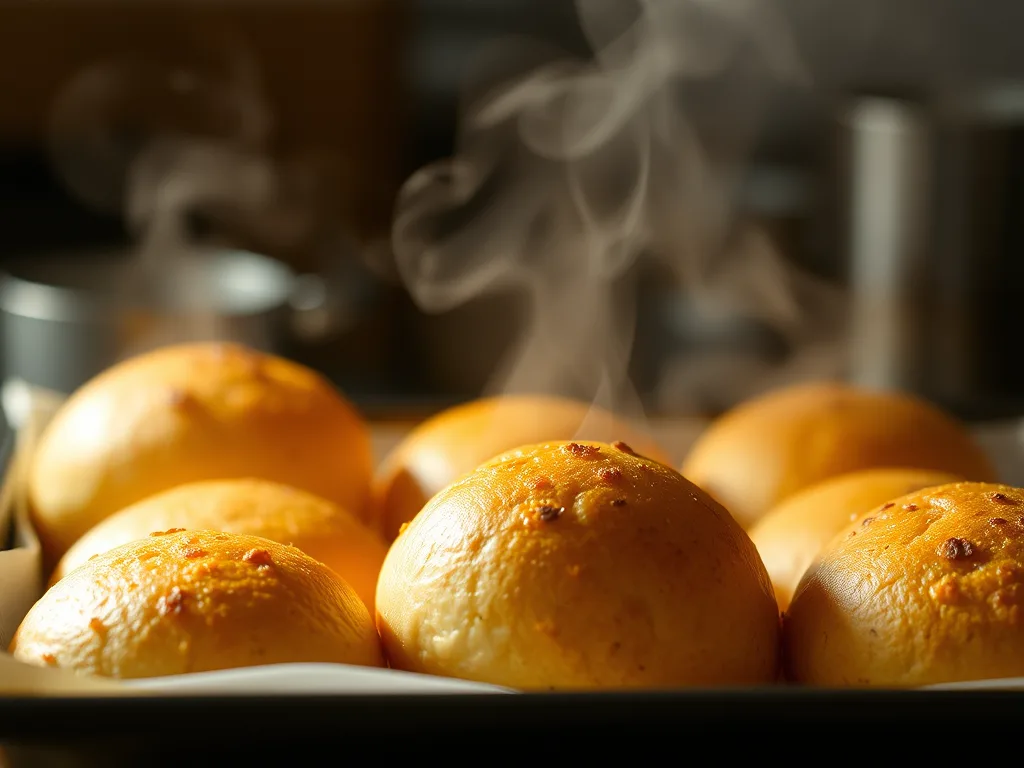
What I love most about this recipe is how accessible it is once you’ve tracked down tapioca starch — which is now easy to find in any Latin market or online. The technique is almost foolproof: you’re essentially making a pate-choux-style dough, scalding hot liquid into starch and then working in eggs and cheese. The resulting batter looks nothing like bread dough, and first-timers always doubt it. Trust the process. When those little rounds come out of the oven puffed, golden, and hollow in the center, you’ll have your answer. Pull one apart while it’s still steaming — that long, molten cheese pull is the moment this humble cassava roll earns its place as Brazil’s greatest snack.
A note on the two types of tapioca starch: polvilho doce (sweet tapioca starch) gives a milder, softer result, while polvilho azedo (sour tapioca starch, which has been fermented) gives the characteristic tang and extra chewiness that purists insist upon. If you can only find one, sweet works beautifully and is more widely available outside Brazil. Many bakers use a blend of both for the best of each quality. Once mixed, the batter can be portioned into a mini muffin tin and frozen raw — bake straight from frozen for fresh pao de queijo any morning of the week, no thawing required.
Time and Servings:
- Prep Time: 10 minutes
- Cook Time: 20 minutes
- Total Time: 30 minutes
- Servings: 12 servings
Nutrition (per serving):
- Calories: 120 kcal
- Protein: 4g
- Fat: 6g
- Carbohydrates: 12g
- Fiber: 1g
- Sugar: 0g
- Sodium: 220mg
Ingredients:
- 2 cups tapioca flour
- 1 cup milk
- 1/4 cup vegetable oil
- 1 tsp salt
- 1 cup Parmesan cheese, grated
- 2 eggs
Instructions:
- Heat Milk and Oil:
- Preheat your oven to 375°F (190°C).
- In a medium saucepan, combine milk, vegetable oil, and salt.
- Bring the mixture to a boil, stirring occasionally. Once it bubbles, remove from heat.
- Add Tapioca Flour:
- Gradually stir the tapioca flour into the hot milk mixture until well combined and smooth.
- The dough will be sticky and slightly translucent.
- Add Cheese and Eggs:
- Let the mixture cool slightly.
- Stir in the grated Parmesan cheese and eggs, mixing until a sticky dough forms.
- The dough should be soft and slightly elastic.
- Bake:
- Spoon the dough into a greased mini muffin tin or drop small mounds onto a parchment-lined baking sheet.
- Bake for 15-20 minutes, or until golden brown and puffed.
- Serve:
- Serve the pão de queijo warm as a snack or a delicious side dish.
- Enjoy the cheesy, chewy texture that makes this Brazilian favorite irresistible!
Tips for Success:
- Cheese Options: Swap Parmesan with mozzarella or a mix of cheeses for different flavors.
- Storage: Store leftovers in an airtight container. Reheat in the oven for a fresh-from-the-oven texture.
- Make Ahead: Prepare the dough in advance and freeze unbaked balls for a quick snack later.
Wine, Cocktail, Drink Pairing:
- Pair pão de queijo with a refreshing caipirinha or a light sparkling wine to complement its cheesy flavor.