The Story Behind Spanish Romesco Sauce
Romesco is the great condiment of Catalonia — a thick, rich, complex sauce of roasted peppers, tomatoes, almonds, hazelnuts, and garlic, bread-thickened and flavored with smoked paprika and vinegar, that originated among the fishermen of Tarragona on the Catalan coast. The sauce was developed specifically to accompany the grilled and boiled fish that formed the backbone of the coastal Catalan diet, and in its original form it was made with the nyora pepper — a small, round dried sweet pepper unique to the region that imparts a distinctive, sweet, slightly smoky flavor with no significant heat. The nyora is still considered essential to an authentic romesco, and cooks who substitute with other peppers are viewed with gentle skepticism by Tarragona purists. That kind of regional pride tells you how important this sauce is. Romesco is not just something spooned on food; it is part of Catalan identity, coastal cooking, and the old wisdom of making simple fish taste extraordinary.
The nuts in romesco — almonds and hazelnuts — reflect Catalonia's deep nut cultivation tradition and the Moorish influence on Catalan cooking. The Moorish presence in Catalonia from the 8th to 10th centuries left an indelible mark on the cuisine, particularly in the use of nuts, honey, and spices in savory dishes. The technique of combining toasted nuts with garlic and bread to thicken a sauce is also found in the Catalan picada — one of the oldest sauce-thickening techniques in European cooking, predating the French roux by centuries. Today romesco has become one of Spain's most celebrated sauces internationally, most famously consumed alongside the spring calçot festival in Catalonia, where it is devoured in enormous quantities with wood-grilled calçots fresh from the fire. From Chef Ruben’s kitchen, I love sauces like this because they show how much flavor can be built before the main ingredient ever touches the plate. Romesco carries smoke, sweetness, crunch, acidity, and warmth all at once.
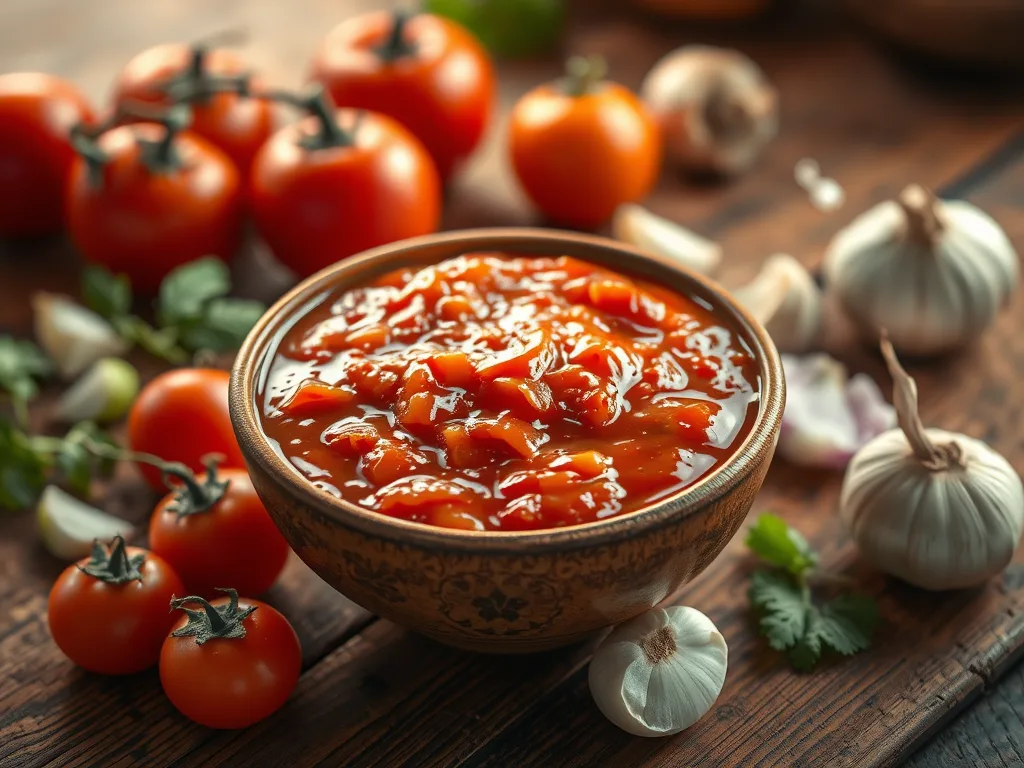
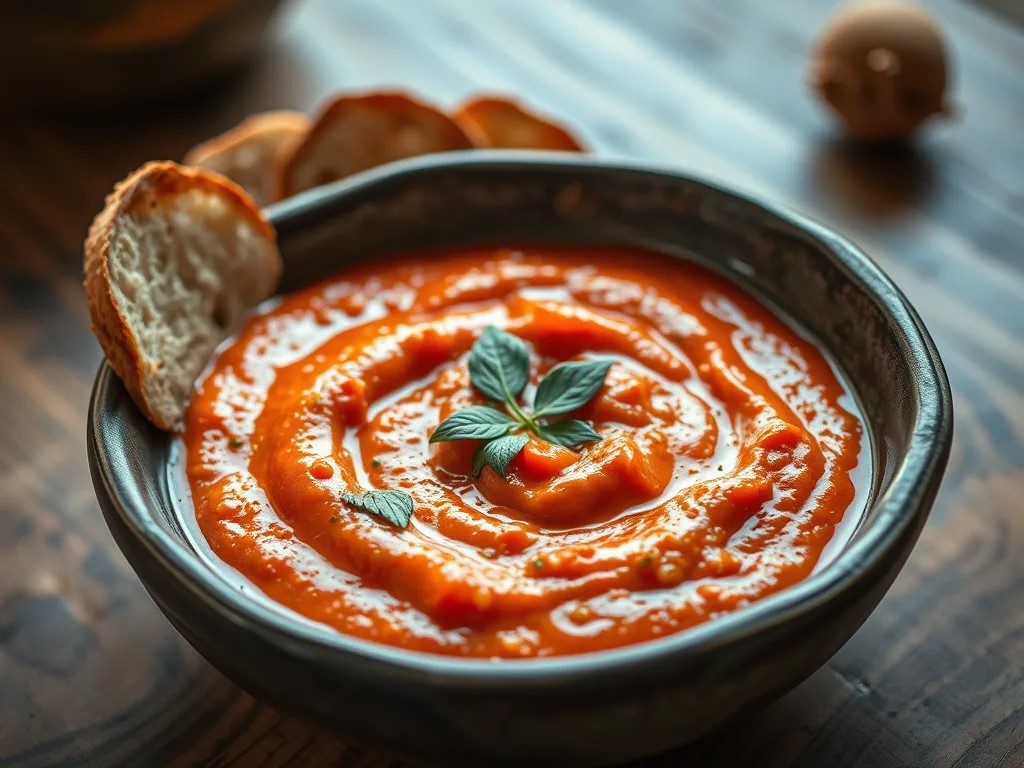
What I love about romesco is that it tastes rustic and sophisticated at the same time. The roasted peppers and tomatoes bring sweetness, the nuts give body, the garlic adds bite, and vinegar sharpens everything. Smoked paprika gives that deep Spanish warmth, making the sauce feel as if it belongs beside fire-roasted food. It is thick enough to spoon, dip, or spread, but still bright enough to lift whatever it touches. The best versions have texture, not a perfectly flat purée. You should feel the presence of the nuts and bread, even if the sauce is blended smooth enough to be elegant. That balance between rustic and refined is exactly what makes romesco so special.
As Chef Ruben, I appreciate sauces that can transform a meal without needing to be complicated at the moment of serving. Romesco can be made ahead, and it gets even better as the flavors settle. Spoon it over grilled fish, roasted vegetables, chicken, potatoes, eggs, or crusty bread, and suddenly the dish feels Mediterranean and alive. It is one of those sauces that proves a condiment can carry history, place, and personality in every bite. I also like it as a party sauce because it works warm, room temperature, or chilled, and people always ask what is in it. That is when you know a sauce has presence.
The beauty of romesco in a home kitchen is that it forgives small variations while still rewarding good technique. Toasting the nuts deepens their flavor, roasting the peppers and tomatoes concentrates their sweetness, and using just enough vinegar keeps the sauce lively instead of heavy. I also like how flexible it is: leave it slightly coarse for texture, or blend it smoother for a more elegant plate. Either way, romesco brings that Catalan spirit of making humble ingredients taste generous, smoky, and unforgettable. If you cannot find nyora peppers, a thoughtful mix of roasted red peppers and smoked paprika can still honor the spirit of the sauce. The key is not to make it bland. Romesco should taste bold, earthy, nutty, and bright — the kind of sauce that makes you understand why fishermen, farmers, and festival crowds have loved it for generations.
Time and Servings:
- Prep Time: 10 minutes
- Cook Time: 0 minutes
- Total Time: 10 minutes
- Servings: 6 servings
Nutrition (per serving):
- Calories: 110 kcal
- Protein: 2g
- Fat: 10g
- Carbohydrates: 4g
- Sugar: 1g
- Fiber: 1g
Ingredients:
- 2 roasted red peppers
- 1/4 cup almonds
- 2 cloves garlic
- 1/4 cup olive oil
- 1 tbsp red wine vinegar
- 1 tsp smoked paprika
- Salt and pepper, to taste
Instructions:
- Blend the Ingredients:
- In a food processor, combine the roasted red peppers, 1/4 cup of almonds, 2 cloves of garlic, 1/4 cup of olive oil, 1 tbsp of red wine vinegar, and 1 tsp of smoked paprika.
- Blend on high speed until the mixture is smooth and creamy.
- Season the Sauce:
- Taste the sauce and season with salt and pepper as needed.
- For a thinner consistency, add more olive oil and blend again until desired texture is achieved.
- Serve:
- Transfer the Romesco sauce to a serving bowl.
- Serve as a dip with crusty bread, or use it as a sauce for grilled vegetables, seafood, or meats.
- Enjoy its bold, smoky, and nutty flavors, perfect for adding a touch of Spain to your dishes!
Tips for Success:
- Use high-quality smoked paprika for an authentic smoky flavor.
- Lightly toast the almonds before blending to enhance their nutty aroma.
- Store leftovers in an airtight container in the refrigerator for up to 5 days.
Wine, Cocktail, or Drink Pairing:
- Pair this Romesco sauce with a glass of Spanish Rioja wine or enjoy it with sangria for a complete Spanish-inspired meal.