The Story Behind Salsa Verde
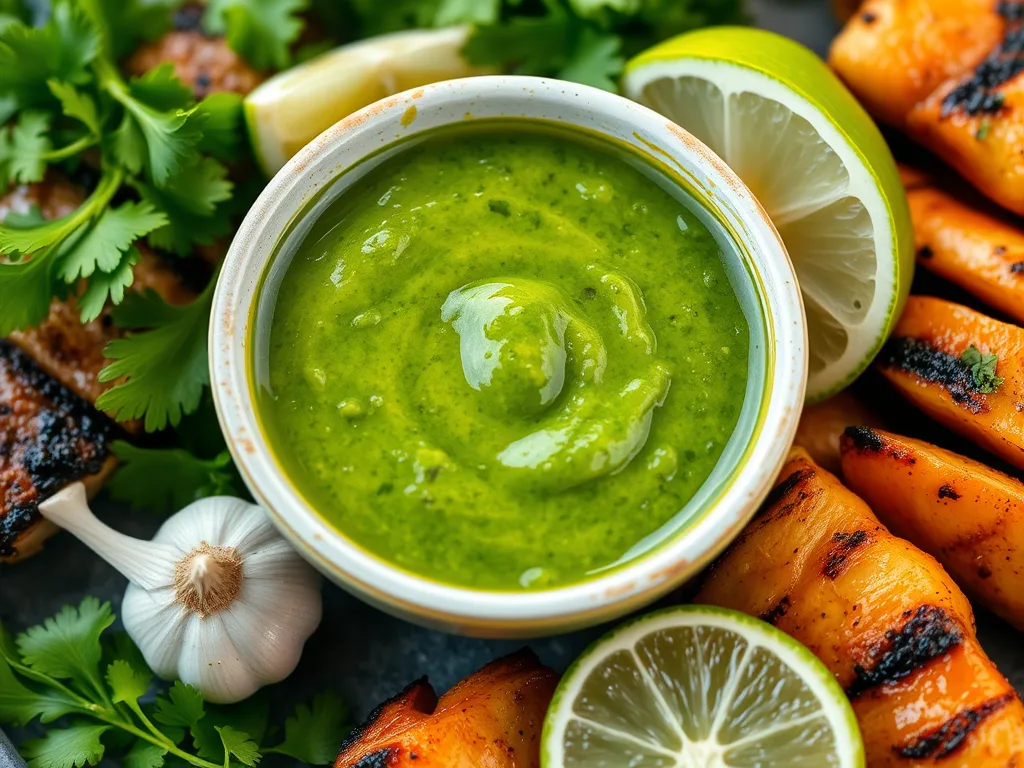
Salsa Verde — Puerto Rican green sauce — is a vibrant, herb-forward condiment made from tomatillos, cilantro, garlic, and peppers. Bright, tangy, and gently spiced, it brings freshness and depth to everything from grilled meats to rice dishes and fried snacks, and is one of the most versatile sauces in the Puerto Rican kitchen. A good green sauce has a way of waking up a plate. It cuts through richness, adds color, and makes simple food taste more alive. On a table full of fried plantains, grilled chicken, rice, beans, or seafood, salsa verde brings that fresh hit that keeps every bite interesting.
While Salsa Verde is associated most famously with Mexican cuisine, Puerto Rican cooks have long had their own tradition of green herb sauces rooted in the island's sofrito culture. The abundant cilantro, aji peppers, and fresh herbs that grow across Puerto Rico make green sauces a natural expression of the island's landscape and flavors. Puerto Rico's version tends to be bolder and more herb-forward, reflecting the island's preference for fresh, vibrant seasoning. From Chef Ruben’s kitchen, I think of salsa verde as a cousin to sofrito and mojo — not identical, but part of the same family of flavor-building sauces. Garlic gives it strength, herbs give it brightness, peppers give it personality, and acidity pulls everything together. The sauce should taste fresh, not dull, and it should make you want to drizzle it on everything.
In Puerto Rican kitchens, a good Salsa Verde is the ultimate all-purpose sauce — the drizzle that brightens a plate of tostones, the dipping sauce for alcapurrias, the finishing touch on grilled chicken or fish. It embodies the island's philosophy that food should be fresh, flavorful, and alive. The technique depends on the style you want. If using tomatillos, roasting or simmering them can soften their sharpness and add depth. If leaning more Puerto Rican herb sauce, fresh cilantro, recao, garlic, lime, vinegar, and olive oil can create something closer to a bright island condiment. Texture is personal. Some people like it smooth and pourable; others prefer it rustic with little bits of herbs and pepper. I like enough acidity to make the sauce pop and enough garlic to remind you it is Puerto Rican. Salsa verde is also a practical recipe because it can rescue leftovers. Yesterday’s grilled chicken tastes new with a spoonful. Plain rice gets personality. Fried foods feel lighter. Fish tastes cleaner and brighter. This is the kind of sauce that earns a permanent place in the refrigerator because once it is there, you start finding reasons to use it. It may be simple, but it carries the same bold spirit that defines Puerto Rican cooking: do not serve food quietly when it can sing.
Time and Servings:
Prep Time: 10 minutes
Total Time: 10 minutes
Servings: Makes approximately 1 cup
Nutrition (per tablespoon):
Calories: 40 kcal
Protein: 0g
Fat: 4g
Carbohydrates: 1g
Fiber: 0g
Sugar: 0g
Sodium: 60mg
Ingredients:
- 1 bunch parsley, chopped
- 1/2 bunch cilantro, chopped
- 2 tbsp capers
- 1/4 cup olive oil
- 2 tbsp lime juice
- Salt and pepper, to taste
Instructions:
- Prepare Ingredients:
- Wash and dry the parsley and cilantro thoroughly. Remove any tough stems.
- Combine Ingredients:
- In a blender or food processor, combine the parsley, cilantro, capers, olive oil, lime juice, salt, and pepper.
- Blend Until Smooth:
- Blend until you achieve a smooth, cohesive sauce. Stop occasionally to scrape down the sides to ensure all ingredients are well incorporated.
- Adjust Seasoning:
- Taste the salsa and adjust the salt, pepper, or lime juice to your preference.
- Serve:
- Drizzle over grilled meats, seafood, roasted vegetables, or even use as a dipping sauce for bread.
Tips for Success:
- Fresh Ingredients: Use fresh parsley and cilantro for the best flavor.
- Balance Acidity: Add more lime juice or a splash of vinegar if you prefer a tangier salsa.
- Customizable: Add a small chili pepper for a spicy kick or garlic for an additional layer of flavor.
- Storage: Store in an airtight container in the refrigerator for up to one week. Stir well before serving, as separation may occur.
Wine, Cocktail, Drink Pairing:
Pair this vibrant Salsa Verde with a chilled Albariño or Sauvignon Blanc, as these wines complement the zesty lime and herbaceous notes. For a cocktail option, try a refreshing Mojito, as its lime and mint flavors echo the sauce's citrusy brightness.