The Story Behind Salsa de Tomate Casera
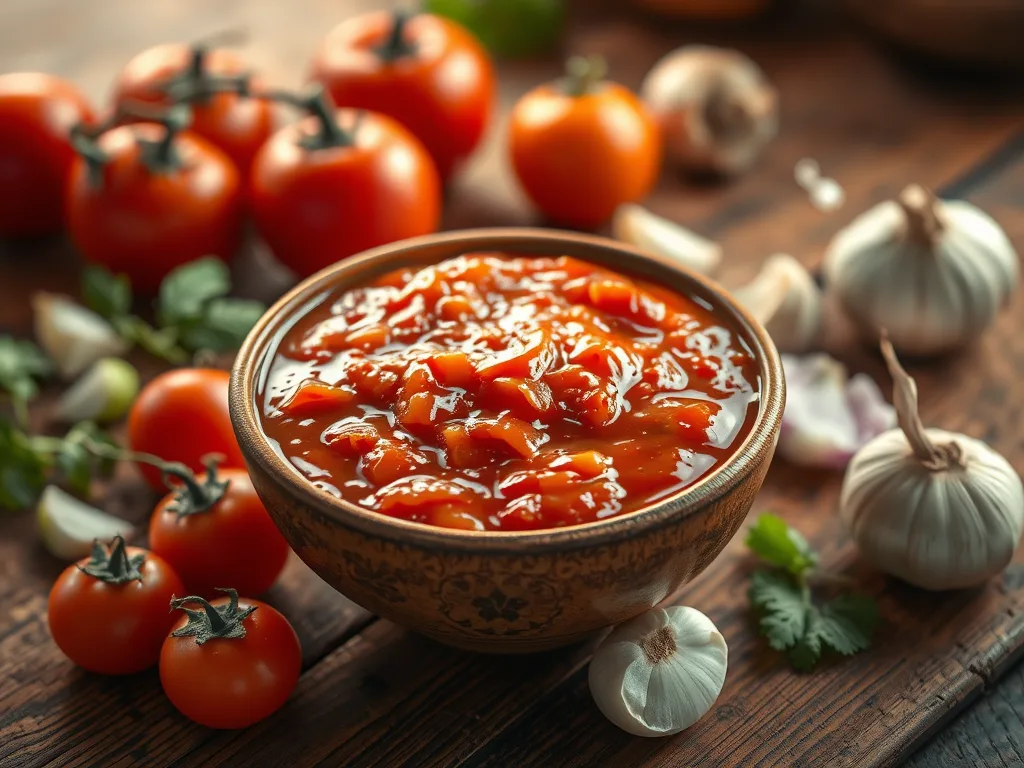
Salsa de Tomate Casera — Puerto Rican homemade tomato sauce — is the backbone of countless island dishes. Simmered with sofrito, garlic, and spices, it is far more than a simple tomato sauce — it is a flavor foundation that gives Puerto Rican rice, stews, and braised dishes their distinctive, rich character. In many kitchens, tomato sauce is treated like something poured from a can and forgotten, but in Puerto Rican cooking, it becomes part of the seasoning system. It works with sofrito, sazón, adobo, olives, herbs, and aromatics to create depth. A good salsa de tomate casera can change the whole direction of a dish, making it taste rounder, richer, and more like home.
Tomatoes arrived in Puerto Rico through Spanish colonial trade routes after the Spanish encountered them in the Americas. Puerto Rican cooks embraced the tomato enthusiastically, incorporating it into the island's sofrito-based cooking traditions. Over generations, the homemade tomato sauce evolved into a versatile, deeply seasoned condiment used in everything from Arroz con Pollo to Habichuelas Guisadas. From Chef Ruben’s kitchen, I think of this sauce as one of those building-block recipes that every cook should know. Once you understand it, you start seeing how many dishes depend on it. It can be the base for beans, the moisture in stewed chicken, the color in rice, the start of a braise, or a quick sauce for fried foods. The flavor should be savory and slightly sweet from the tomatoes, but never flat. Garlic, onion, peppers, oregano, and cilantro or recao bring it alive.
In Puerto Rican kitchens, making a proper Salsa de Tomate Casera is a fundamental skill passed from generation to generation. Unlike store-bought sauces, the homemade version — layered with sofrito, herbs, and slow-simmered depth — carries the unmistakable flavor of home cooking. It is the invisible thread connecting countless beloved dishes. Technique matters because tomatoes need time to soften and lose their raw sharpness. If using canned tomatoes, simmering helps concentrate the flavor. If using fresh tomatoes, cooking them down slowly brings out their natural sweetness. A little olive oil or achiote oil can add richness and color. Some cooks like a smooth sauce, while others leave a little texture. Both can be right depending on the dish. I like tasting as it simmers and adjusting with salt, pepper, oregano, or a tiny pinch of sugar if the tomatoes are too acidic. This sauce is also practical. Make a batch and keep it ready, and weeknight cooking becomes easier because the flavor foundation is already done. It is not flashy, but it is powerful. Salsa de tomate casera reminds me that in Puerto Rican food, the magic is often in the base — the part you may not see once the dish is finished, but the part you would miss immediately if it were not there.
Time and Servings:
Prep Time: 10 minutes
Cook Time: 30 minutes
Total Time: 40 minutes
Servings: Makes about 4 cups
Nutrition (per 1/2 cup serving):
Calories: 60 kcal
Protein: 1g
Fat: 3g
Carbohydrates: 8g
Fiber: 2g
Sugar: 5g
Sodium: 240mg
Ingredients:
- 6 ripe tomatoes, chopped
- 1 onion, chopped
- 4 cloves garlic, minced
- 1 tbsp olive oil
- 1 tsp oregano
- Salt and pepper, to taste
Instructions:
- Sauté Onions and Garlic:
- In a large saucepan, heat olive oil over medium heat.
- Add the chopped onions and minced garlic, sautéing until fragrant and softened, about 3-4 minutes.
- Add Tomatoes and Seasoning:
- Stir in the chopped tomatoes along with the oregano, salt, and pepper.
- Cook for 5 minutes, allowing the tomatoes to release their juices.
- Simmer the Sauce:
- Reduce the heat to low, cover the pan, and simmer for 30 minutes, stirring occasionally.
- Allow the tomatoes to break down fully, creating a rich, thickened sauce.
- Blend (Optional):
- For a smoother texture, use an immersion blender to puree the sauce to your desired consistency.
- Serve:
- Use the sauce immediately over pasta, rice, or as a base for stews and meats, or let it cool and store it in an airtight container in the refrigerator for up to 5 days.
Tips for Success:
- Freshness Matters: Use ripe, high-quality tomatoes for the best flavor.
- Enhance Flavor: Add a splash of red wine or a pinch of sugar if the tomatoes are overly acidic.
- Texture Preference: Adjust the consistency by adding a bit of water if the sauce is too thick or simmering longer for a thicker sauce.
- Storage Tip: This sauce freezes well! Store in portion-sized containers for up to 3 months.
Wine, Cocktail, Drink Pairing:
Pair this sauce with a Chianti or Sangiovese, as their acidity complements the tomato's natural tanginess. For a non-alcoholic option, a glass of chilled sparkling water with a twist of lime offers a refreshing balance.