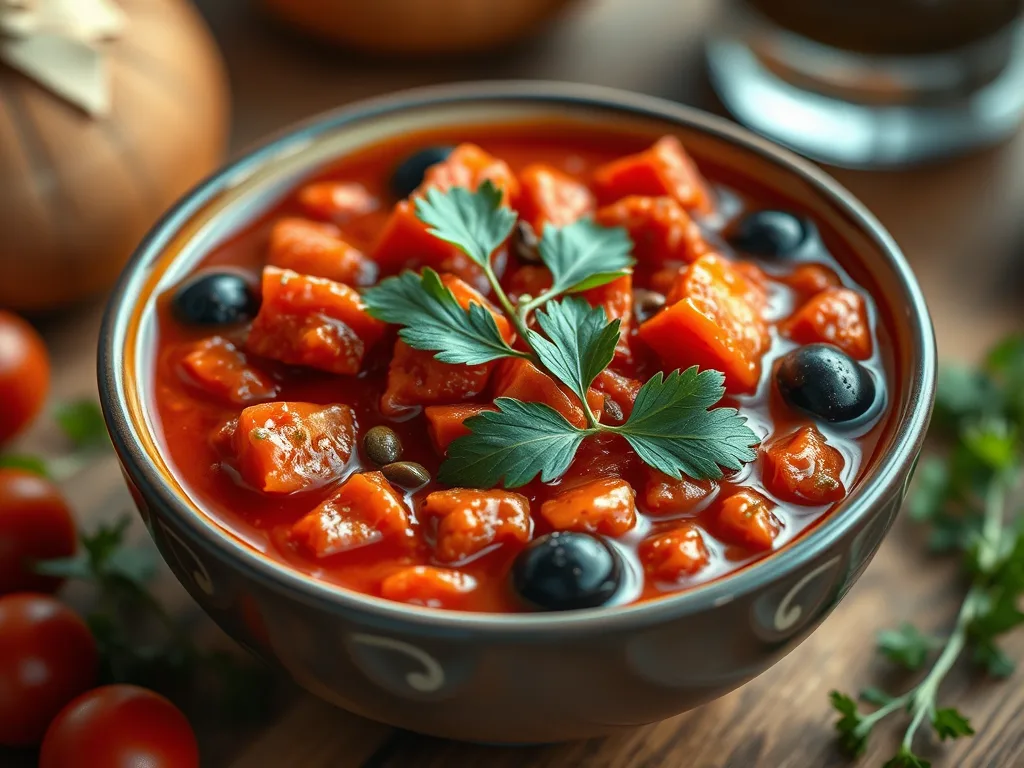
The Story Behind Puttanesca Sauce
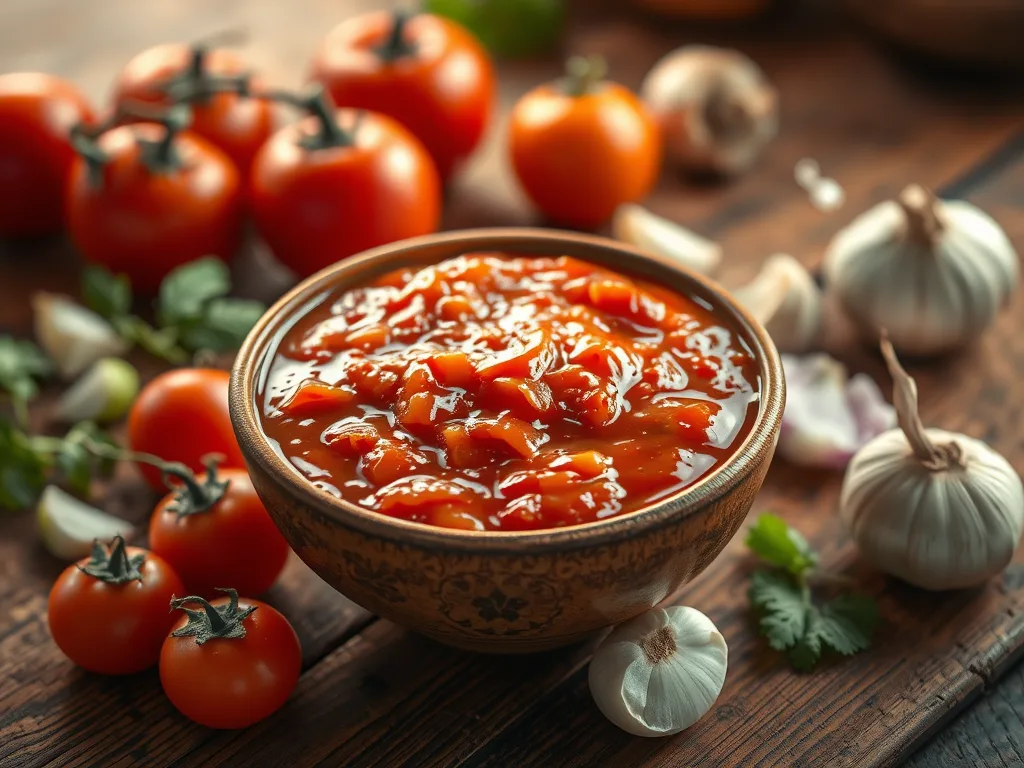
Puttanesca is one of Italian cuisine's most boldly flavored and colorfully named sauces — a fiery, intensely savory combination of tomatoes, olives, capers, anchovies, garlic, and chiles that originated in Naples. The name's etymology is disputed: it may derive from "puttana," with various colorful stories attached — that it was made by working women who needed a quick sauce, or that its powerful aroma was used to attract customers. The most likely origin is mid-20th century Naples, with the first documented recipe appearing in the 1960s. Whatever story you believe, the sauce itself has a personality that matches the name: loud, salty, spicy, briny, and impossible to ignore. It is not a gentle tomato sauce. It is tomato sauce with attitude.
The genius of puttanesca is its pantry-based intensity: all the ingredients are preserved — canned tomatoes, salt-packed anchovies, brined olives, capers in vinegar — meaning the sauce can be made at any time from pantry staples while delivering flavors of extraordinary depth. In Naples, it is considered quintessential cucina povera, or poor kitchen cooking — the art of creating something magnificent from humble, inexpensive ingredients. From Chef Ruben’s kitchen, I love that idea because it proves you do not need luxury to cook boldly. You need a few ingredients that know how to work hard. Anchovies melt into the oil and create savory depth without making the sauce taste fishy. Capers bring sharpness. Olives bring salt and body. Garlic and chile bring heat. Tomatoes pull everything together.
The technique is fast, but it rewards attention. Start by warming garlic, chile, and anchovies in olive oil until the anchovies dissolve. That creates the flavor base. Then add tomatoes, olives, and capers, and let the sauce simmer just long enough to thicken and concentrate. Puttanesca should taste alive, not overcooked. It is especially good with spaghetti, linguine, or penne because the sauce clings well and delivers little bursts of olive and caper in every bite. Salt carefully because the preserved ingredients already bring plenty. A little parsley at the end adds freshness, and good olive oil gives the final dish shine. I also like puttanesca because it feels like a weeknight rescue recipe. When the refrigerator looks empty, the pantry can still give you something exciting. It is the kind of sauce you can make after a long day and still feel like you cooked with passion. Puttanesca carries the spirit of Naples: resourceful, bold, coastal, and full of life. It takes ingredients designed to last and turns them into a sauce that tastes immediate and electric. That is cucina povera at its best — humble food with unforgettable flavor.
Time and Servings:
- Prep Time: 5 minutes
- Cook Time: 15 minutes
- Total Time: 20 minutes
- Servings: 4 servings
Nutrition (per serving):
- Calories: 150 kcal
- Protein: 4g
- Fat: 12g
- Carbohydrates: 6g
- Sodium: 550mg
Ingredients:
- 1 can (14 oz) crushed tomatoes
- 1/4 cup black olives, chopped
- 2 tbsp capers
- 4 anchovy fillets, minced
- 2 cloves garlic, minced
- 1/4 tsp red pepper flakes
- 1/4 cup olive oil
Instructions:
- Sauté the Garlic and Anchovies:
- Heat 1/4 cup of olive oil in a large skillet over medium heat.
- Add 2 cloves of minced garlic and 4 minced anchovy fillets.
- Sauté for about 2 minutes, stirring frequently, until the garlic is golden and the anchovies have melted into the oil, creating a fragrant base.
- Add Tomatoes, Olives, and Capers:
- Stir in 1 can (14 oz) of crushed tomatoes, 1/4 cup of chopped black olives, 2 tbsp of capers, and 1/4 tsp of red pepper flakes.
- Mix well to combine all the ingredients.
- Simmer the Sauce:
- Reduce the heat to low and let the sauce simmer for about 15 minutes.
- Stir occasionally to prevent sticking and to allow the flavors to meld together beautifully.
- Serve:
- Serve the Puttanesca sauce warm over freshly cooked spaghetti or your preferred pasta.
- Garnish with fresh parsley or Parmesan cheese for added freshness and flavor.
Tips for Success:
- Use high-quality anchovies, capers, and olives for the best flavor.
- Adjust the amount of red pepper flakes to suit your spice preference.
- This sauce is traditionally served with spaghetti, but it pairs well with any long or short pasta.
Wine, Cocktail, or Drink Pairing:
- Pair this Puttanesca sauce with a bold Italian Barbera or a refreshing white wine like Pinot Grigio to complement its savory flavors.