The Story Behind Ecuadorian Salsa de Mani
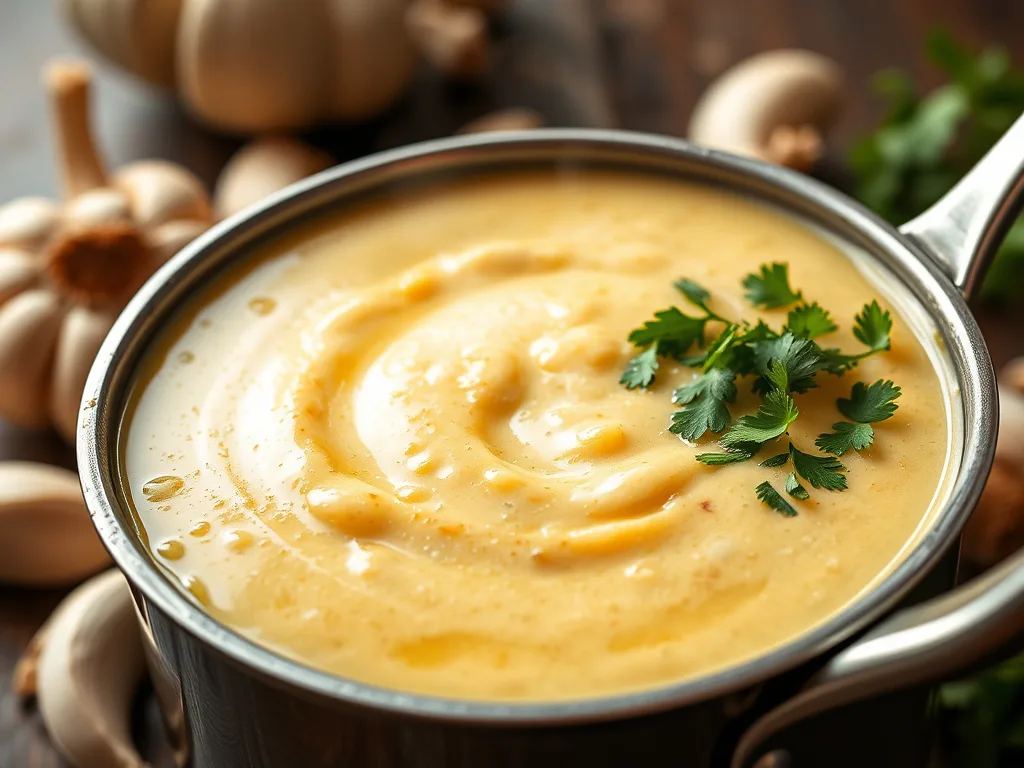
Salsa de mani — peanut sauce — is one of Ecuador’s most beloved condiments, a creamy, savory, mildly spiced sauce spooned over llapingachos, rice, grilled meats, boiled potatoes, roasted vegetables, and street-food plates throughout the highlands. While peanut-based sauces appear across many cuisines — West African groundnut stews, Indonesian satay sauce, Thai peanut dressing — the Ecuadorian version occupies a unique place: it is simultaneously a condiment, a side dish sauce, and a cooking ingredient, with its flavor distinctly Andean, spiced with cumin and colored with annatto, also called achiote. It is not usually fiery hot or aggressively sweet. Instead, it is warm, earthy, creamy, and comforting, the kind of sauce that makes simple food feel complete. In Ecuador, the sauce is not treated like an afterthought. It is the spoonful that ties the plate together, especially when served with golden potato cakes, tender meat, or plain rice that suddenly becomes rich and satisfying. That is what I love about it from Chef Ruben’s kitchen: it takes humble ingredients and makes the whole meal feel cared for.
The peanut’s presence in Ecuadorian cooking reflects a deep indigenous history. Peanuts were first cultivated in South America and had spread throughout the continent thousands of years before European contact. The Incas cultivated peanuts extensively in the Andean foothills, and they formed a significant part of the pre-Columbian diet from the coast to the highlands. When Spanish missionaries documented Ecuadorian indigenous cooking in the 16th and 17th centuries, they noted a rich tradition of nut and seed sauces used to enrich stews and accompany roasted meats — a tradition that survives directly in the modern salsa de mani. It is, in the most literal sense, a sauce that predates the Inca Empire. That history matters because it reminds us that sauces are not small things. They carry memory, adaptation, survival, and local taste. Salsa de mani is not just “peanut sauce” in a generic way. It belongs to Ecuador’s markets, family kitchens, highland lunches, and plates where potatoes, corn, rice, and meat all meet under one creamy spoonful.
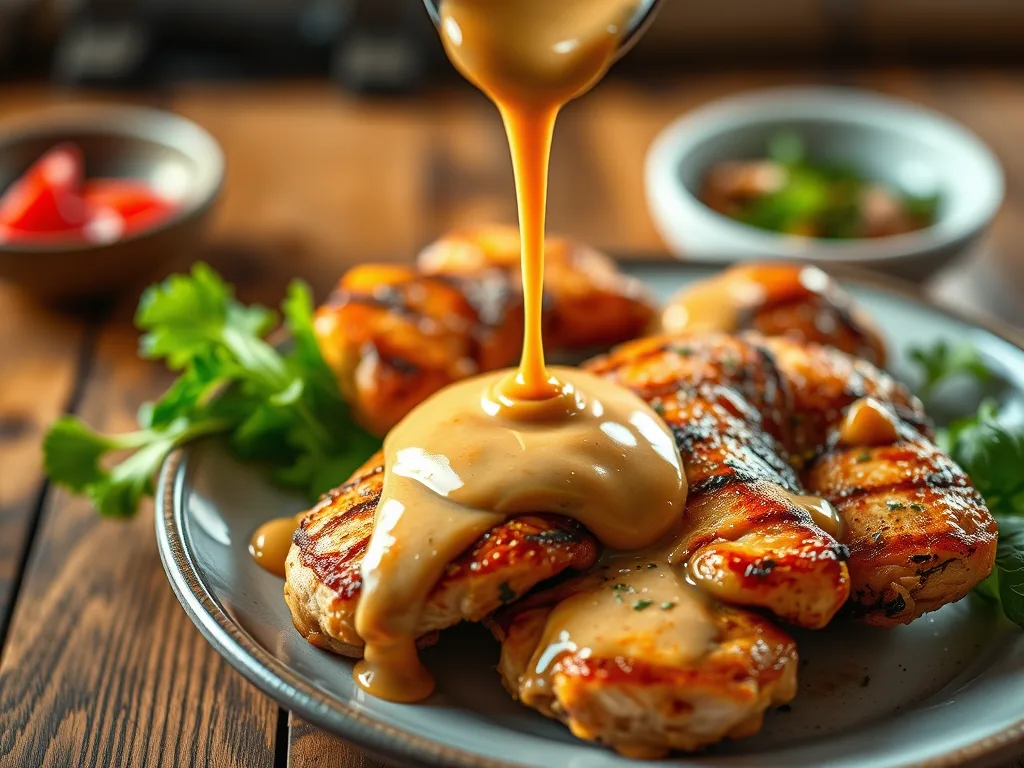
From Chef Ruben’s kitchen, I appreciate salsa de mani because it is humble and powerful at the same time. Peanuts are everyday ingredients, but when you blend them with sautéed onion, garlic, cumin, achiote, milk or broth, and a little salt, they become silky and deeply flavorful. The key is building flavor before blending. If the onions and garlic are rushed, the sauce tastes flat. If they are gently cooked until sweet and fragrant, the whole sauce changes. Achiote brings color and a subtle peppery earthiness, while cumin gives that unmistakable Andean warmth. Some cooks make it thicker, almost like a spread, while others loosen it into a pourable sauce. Both versions are valid because salsa de mani adapts to the plate. Over llapingachos, it settles into the crisp edges of the potato cakes. With grilled meat, it softens the char. With rice, it becomes comfort food. With vegetables, it makes a simple dish feel complete enough for company.
The best advice I can give is to taste it slowly at the end. Peanuts can absorb salt and liquid differently depending on whether you use peanut butter, roasted peanuts, milk, or broth. Add the liquid gradually until the sauce flows the way you want it to flow. Add salt in small steps because the sauce should be savory, not sharp. If it feels too heavy, a splash of broth can lighten it. If it needs warmth, add a pinch more cumin. If it needs color, a little more achiote oil can make it glow. I like serving salsa de mani warm, but it also keeps well and thickens as it cools, which makes leftovers useful for sandwiches, bowls, or roasted potatoes. This is the beauty of a great sauce: it does not need to be flashy to be unforgettable. Salsa de mani carries history, practicality, and flavor in every spoonful.
Time and Servings:
- Prep Time: 5 minutes
- Cook Time: 10 minutes
- Total Time: 15 minutes
- Servings: 6 servings
Nutrition (per serving):
- Calories: 140 kcal
- Fat: 12g
- Carbohydrates: 5g
- Protein: 4g
Ingredients:
- 1/2 cup roasted peanuts
- 1 clove garlic
- 1/4 cup chicken broth
- 1 tbsp olive oil
- 1 tsp cumin
- Salt and pepper, to taste
Instructions:
- Blend the Peanuts:
- In a blender or food processor, combine 1/2 cup of roasted peanuts, 1 clove of garlic, and 1/4 cup of chicken broth.
- Blend until the mixture is smooth and creamy.
- Cook and Season the Sauce:
- In a medium pan, heat 1 tbsp of olive oil over medium heat.
- Add the blended peanut mixture to the pan and stir in 1 tsp of cumin.
- Season with salt and pepper to taste.
- Cook for 5-7 minutes, stirring frequently, until the sauce thickens to your desired consistency.
- Serve:
- Transfer the Salsa de Mani to a serving bowl.
- Serve warm over grilled chicken, rice, or steamed vegetables.
Tips for Success:
- For a smoother sauce, strain the peanut mixture before cooking.
- Adjust the thickness by adding more chicken broth or water as needed.
- Enhance the flavor by toasting the cumin briefly before adding it to the sauce.
Wine, Cocktail, or Drink Pairing:
- Pair this creamy peanut sauce with a light beer or a chilled Sauvignon Blanc for a refreshing complement.