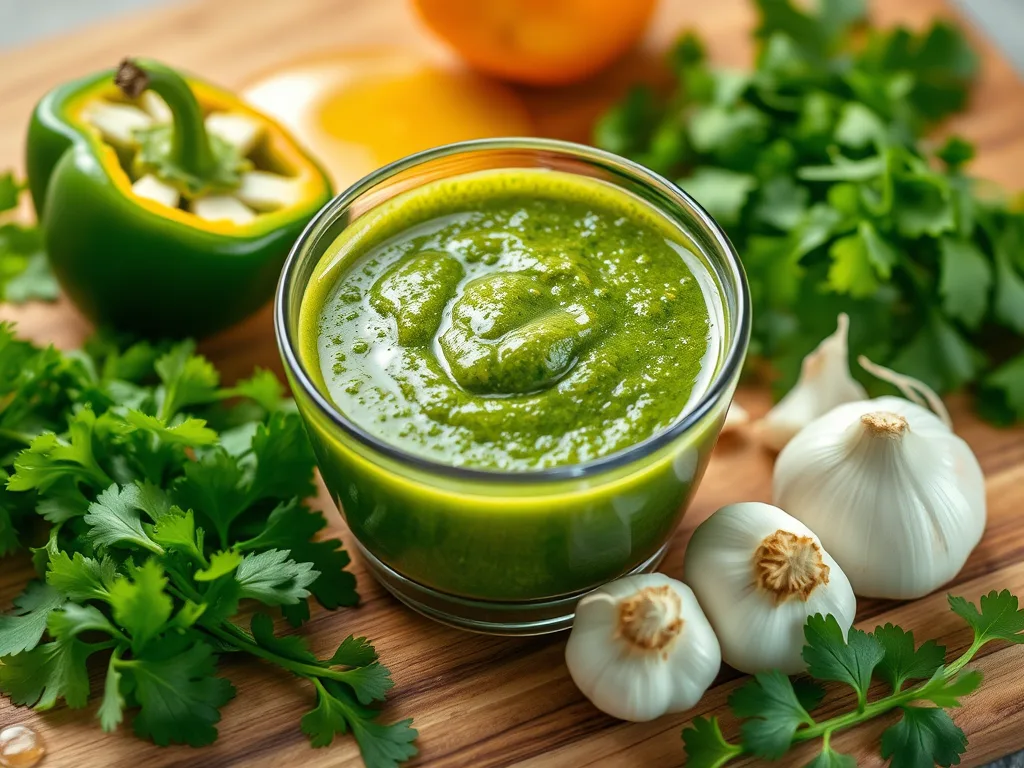
The Story Behind Dominican Sofrito
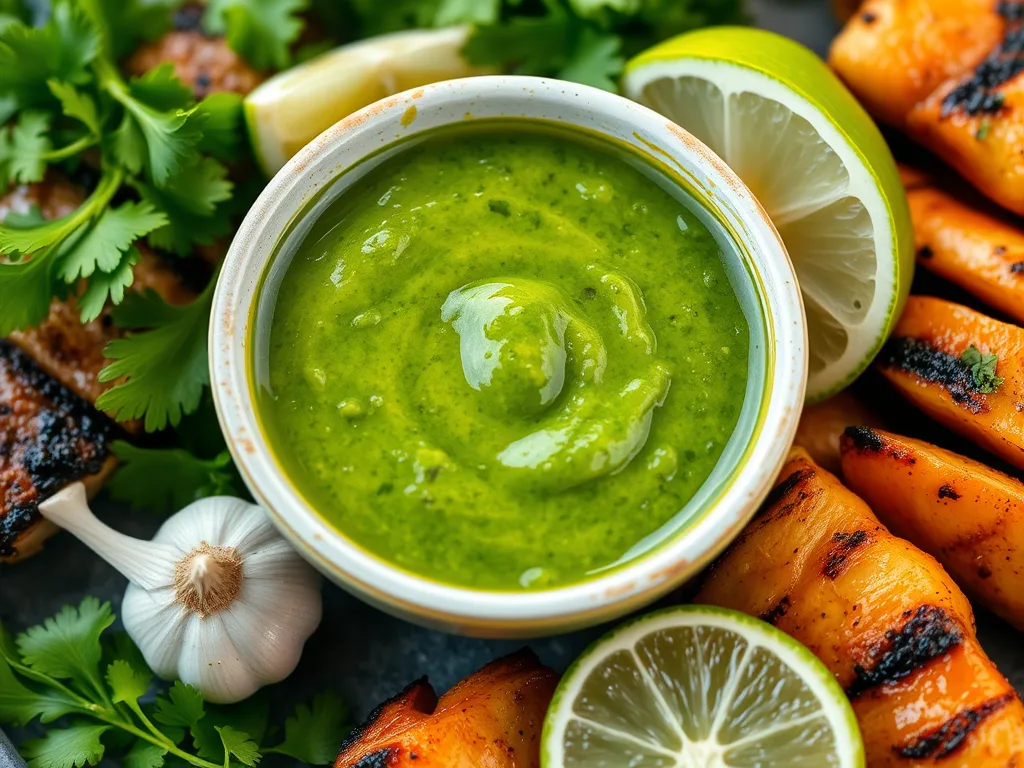
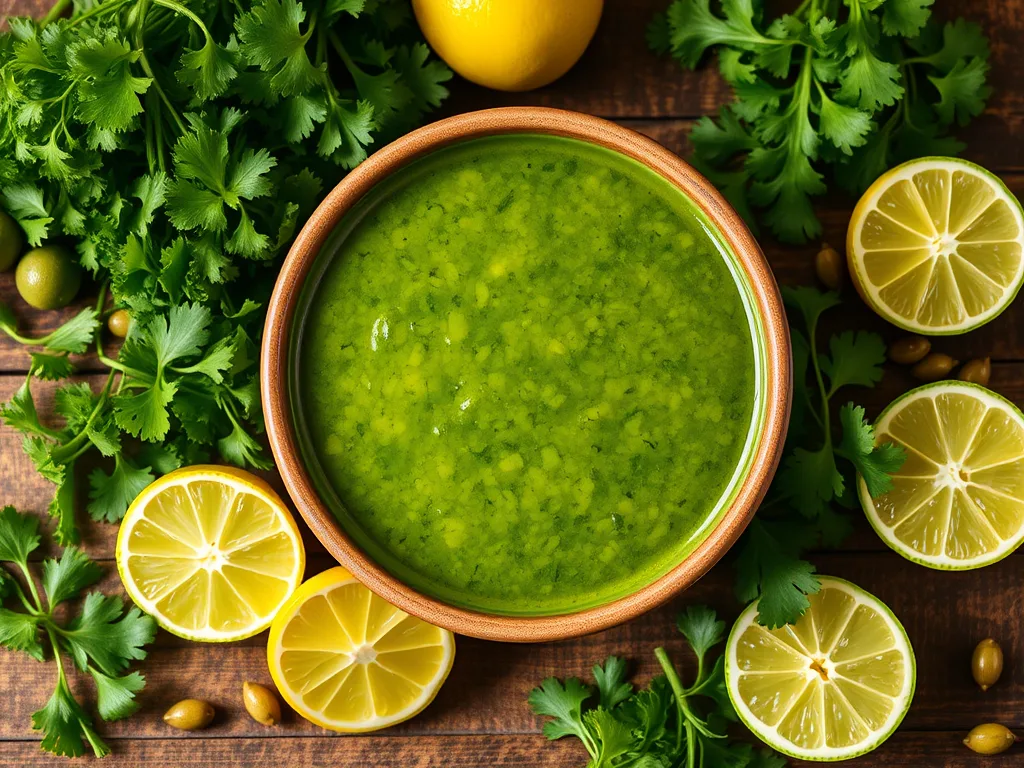
Sofrito is the aromatic soul of Latin Caribbean cooking — the foundational flavor paste without which Dominican, Puerto Rican, and Cuban food is simply unthinkable. In the Dominican Republic, the local version is distinct from its Puerto Rican cousin in that it is typically cooked rather than raw, and often includes tomato paste alongside the fresh ingredients. The base invariably includes green pepper, red pepper, onion, garlic, cilantro, and the uniquely Caribbean culantro, also called recao or shadow beni, a broad-leaf coriander with an intensity of flavor several times stronger than regular cilantro. This is the kind of mixture that makes the kitchen smell like something good is about to happen before the main ingredient even enters the pot. Sofrito is not a garnish; it is the beginning of flavor.
The word "sofrito" derives from the Spanish "sofreír" — to lightly fry — and reflects the Iberian tradition of building flavor by slowly sweating aromatics in fat. The Spanish brought this technique to the Caribbean in the 16th century, where it fused with indigenous Taino seasoning practices that had long used herbs and peppers as the flavor base for stews and pit-roasted meats. Enslaved West Africans brought to Hispaniola contributed their own aromatic traditions, including certain herbs and a preference for long-cooked, deeply flavored sauces. The result of this three-way fusion is the Dominican sofrito — a jar of aromatic intensity that defines the cooking of an entire nation. From Chef Ruben’s kitchen, I love bases like this because they remind us that great food is often built before anyone sees the final dish. Sofrito is the hidden architecture. It is what makes rice, beans, chicken, stews, soups, and meats taste like they belong to a specific place.
Dominican sofrito is especially important in dishes like pollo guisado, habichuelas, arroz con pollo, sancocho, and many everyday home meals. It brings sweetness from peppers and onions, sharpness from garlic, freshness from herbs, and depth from tomato paste or oregano when used. Some families blend it smooth, while others leave a little texture. Some make a big batch and freeze it in portions, because having sofrito ready means dinner can happen faster without sacrificing flavor. That practicality matters. Caribbean cooking is generous, but it is also smart. A prepared sofrito lets a busy cook build deep flavor quickly, whether feeding a family on a weeknight or preparing a large Sunday meal.
The technique depends on balance. Too much cilantro can dominate, too much garlic can turn harsh, and too much liquid can make the mixture watery. Culantro gives that unmistakable Caribbean backbone, so it is worth seeking out if possible. Ají gustoso or cubanelle-style peppers can add fragrance without overwhelming heat. When cooking sofrito, patience helps. Letting it fry gently in oil releases moisture and concentrates flavor, turning raw aromatics into a savory base. That moment when sofrito hits hot oil is one of the great sounds and smells of Caribbean cooking. It announces that food is coming. As Chef Ruben, I think every culture has a flavor foundation like this — mirepoix, sofrito, recaito, epis, curry paste, masala. Dominican sofrito belongs proudly in that family. It is fresh, powerful, practical, and deeply tied to home cooking. A spoonful may look simple, but it carries history, family, and the unmistakable taste of the Dominican kitchen.
Time and Servings:
- Prep Time: 10 minutes
- Total Time: 10 minutes
- Servings: 8 servings
Nutrition (per serving):
- Calories: 60 kcal
- Fat: 5g
- Carbohydrates: 4g
- Protein: 1g
Ingredients:
- 1 bell pepper, chopped
- 1 small onion, chopped
- 3 cloves garlic
- 1/4 cup fresh cilantro
- 1/4 cup fresh parsley
- 2 tbsp olive oil
- Salt and pepper, to taste
Instructions:
- Blend the Ingredients:
- In a blender or food processor, combine 1 chopped bell pepper, 1 small chopped onion, 3 cloves of garlic, 1/4 cup of fresh cilantro, 1/4 cup of fresh parsley, and 2 tbsp of olive oil.
- Blend until the mixture is smooth and well combined.
- Season the Sofrito:
- Taste the sofrito and season with salt and pepper to suit your preference.
- Blend again briefly if needed to incorporate the seasoning evenly.
- Serve:
- Use the sofrito as a base for stews, rice dishes, or meats.
- Store leftovers in an airtight container in the refrigerator for up to 5 days, or freeze for longer storage.
Tips for Success:
- For a spicier version, add a small piece of hot pepper to the mixture.
- Use fresh, vibrant herbs for the most flavorful sofrito.
- Freeze sofrito in ice cube trays for easy portioning and quick use in recipes.
Wine, Cocktail, or Drink Pairing:
- Pair dishes made with sofrito with a refreshing Dominican Presidente beer or a light red wine for a complementary flavor profile.