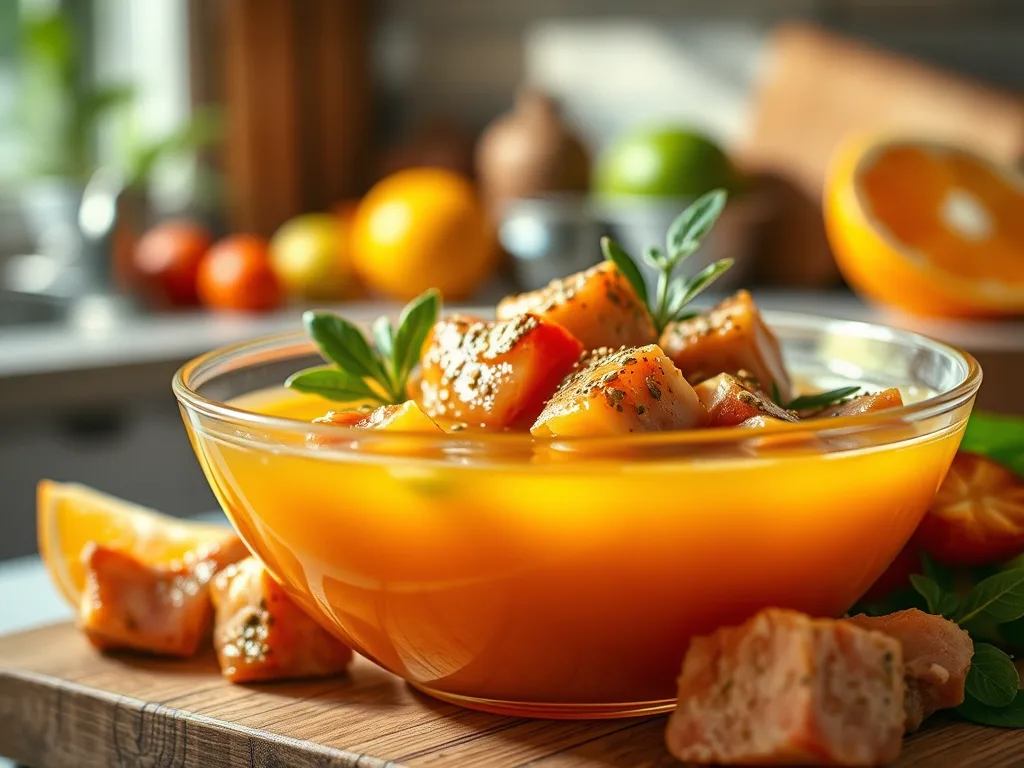
The Story Behind Cuban Mojo Sauce
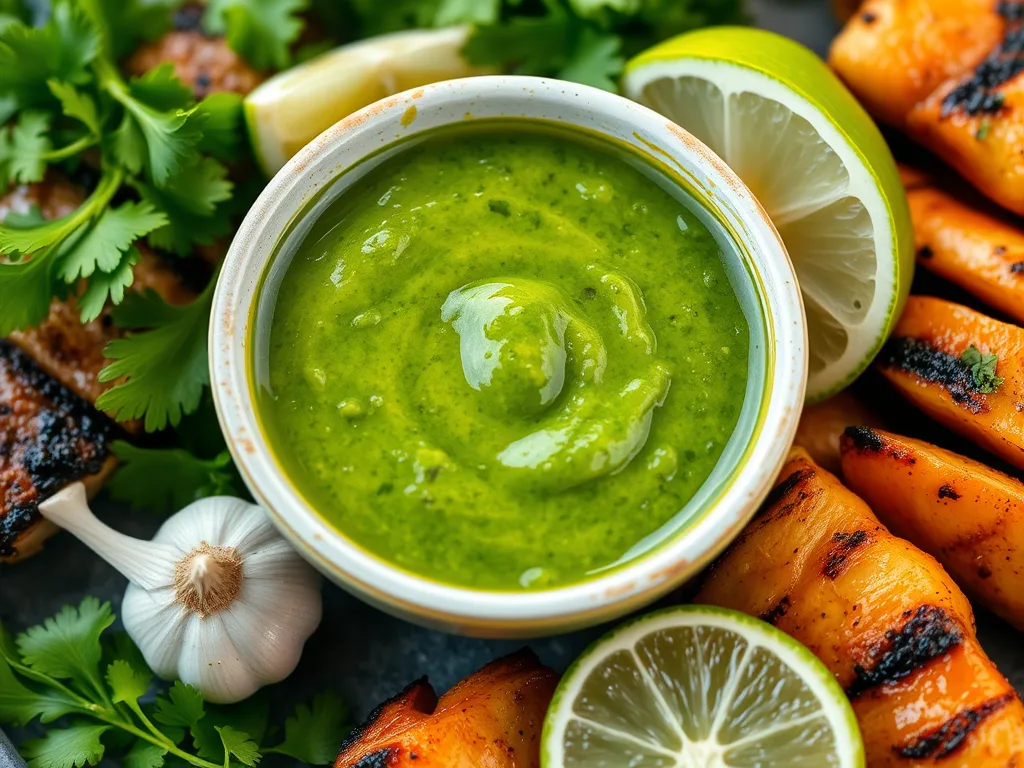
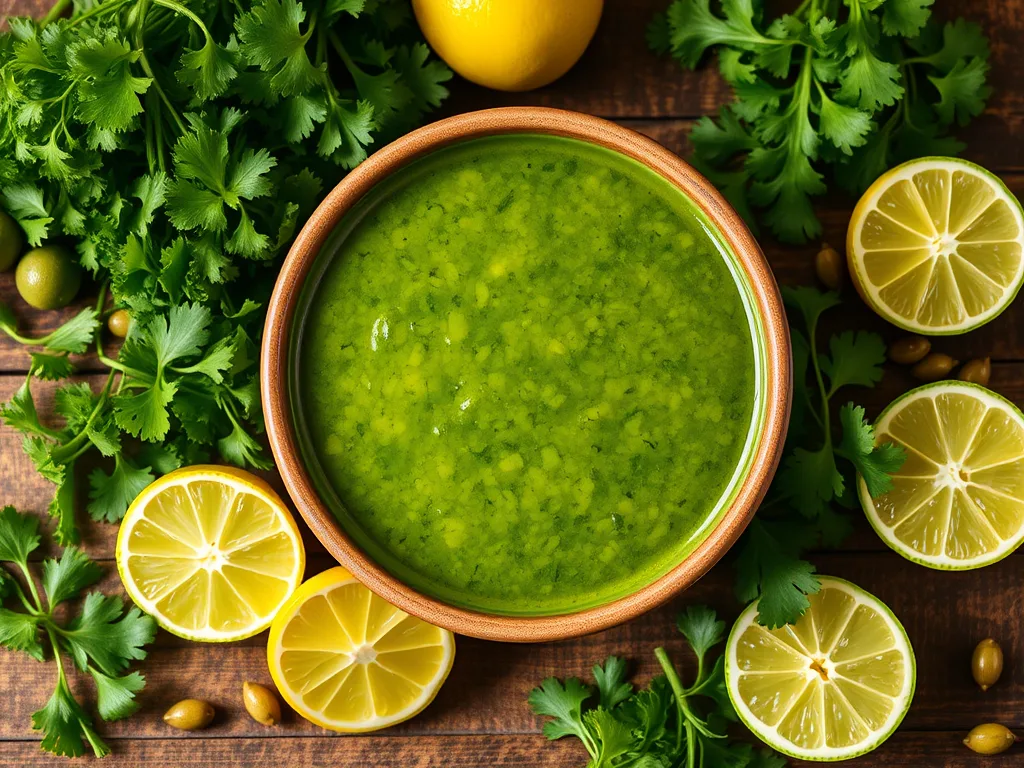
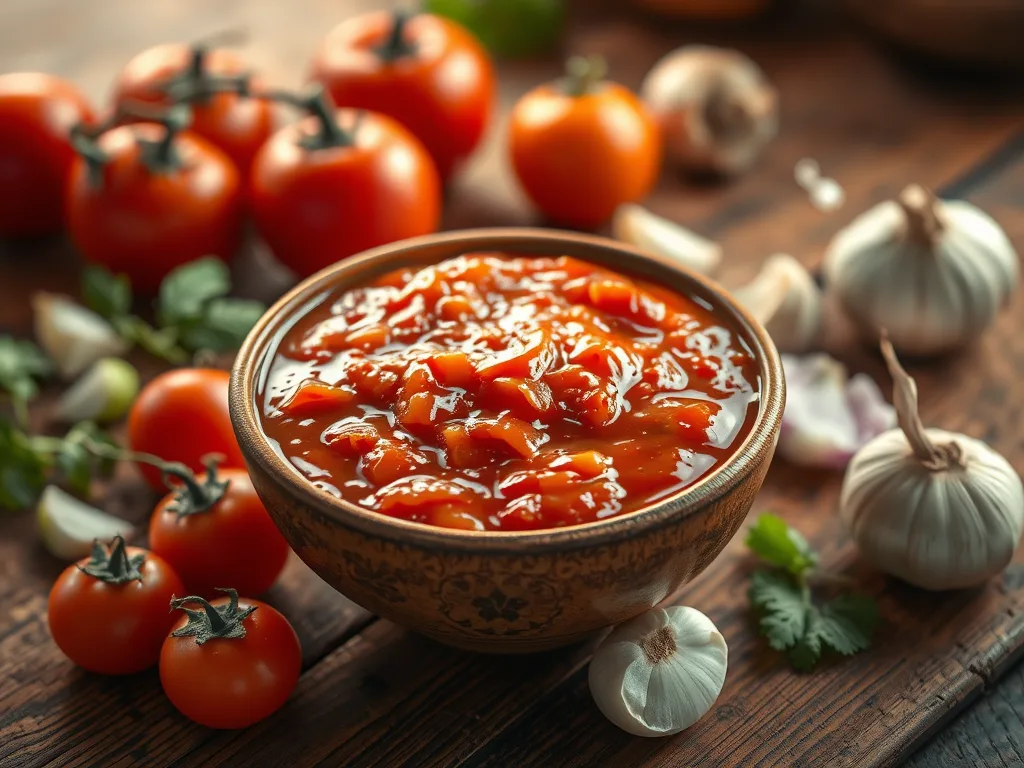
Cuban mojo is one of the great sauces of the Americas — a bold, garlicky citrus marinade and sauce that infuses meat, fish, and vegetables with the bright, tropical soul of Cuban cooking. Despite being the dominant sauce of Cuban cuisine, mojo is not originally Cuban: it traces its roots to the Canary Islands (Islas Canarias), the Spanish archipelago off the coast of West Africa. Canarian mojo — both the red mojo rojo and green mojo verde — are made with garlic, peppers, cumin, and vinegar, and have been central to Canarian food for centuries. When large numbers of Canary Islanders emigrated to Cuba in the 17th through 19th centuries, they brought their mojo tradition with them.
In Cuba, the Canarian original was transformed by the island's tropical ingredients: sour Seville orange (naranja agria) replaced vinegar as the primary acid, and the sauce became specifically associated with roasted pork (lechon asado). The pungent, garlicky, citrusy marinade penetrates deeply into meat, especially when injected with a marinade syringe as Cuban cooks often do for large roasts. Today, Cuban mojo is one of the most versatile sauces in Latin American cooking — used as a marinade, a basting sauce, a table condiment, and a dipping sauce — and its influence has spread through the Cuban diaspora to Miami, New York, and across the Caribbean.
What makes mojo so powerful is the balance of sharp citrus and deep garlic. Sour orange is ideal because it has bitterness, acidity, and fragrance all at once, but a mix of orange juice, lime, and lemon can come close when sour oranges are hard to find. The garlic should be assertive, not shy. When it hits warm oil or blends into citrus, it becomes the backbone of the sauce, giving pork, chicken, fish, yuca, or plantains that unmistakable Cuban flavor.
As Chef Ruben, I love sauces that can transform a meal with just a spoonful, and mojo is exactly that kind of sauce. It can marinate a pork shoulder overnight, brighten grilled shrimp, soak into roasted vegetables, or get spooned over crispy tostones. It tastes sunny, bold, and alive. More than anything, mojo reminds me that great cooking often starts with a few strong ingredients used with confidence: citrus, garlic, oil, oregano, cumin, and salt working together until the whole kitchen smells like celebration.
Time and Servings:
- Prep Time: 10 minutes
- Total Time: 10 minutes
- Servings: 6 servings
Nutrition (per serving):
- Calories: 110 kcal
- Fat: 10g
- Carbohydrates: 4g
- Protein: 1g
Ingredients:
- 1/4 cup fresh orange juice
- 1/4 cup fresh lime juice
- 6 cloves garlic, minced
- 1/4 cup olive oil
- 1 tsp cumin
- Salt and pepper, to taste
Instructions:
- Mix the Ingredients:
- In a medium bowl, whisk together 1/4 cup of fresh orange juice, 1/4 cup of fresh lime juice, 6 minced garlic cloves, 1/4 cup of olive oil, and 1 tsp of cumin.
- Mix until the ingredients are fully combined and emulsified.
- Season the Sauce:
- Taste the mixture and season with salt and pepper to suit your preference.
- Adjust the balance of citrus and garlic as desired for your marinade.
- Serve:
- Use the Mojo Sauce as a marinade for pork, chicken, or seafood.
- Allow the meat to marinate for at least 1-2 hours (or overnight for deeper flavor).
- Alternatively, use it as a drizzle over roasted vegetables or as a dipping sauce.
Tips for Success:
- For an authentic Cuban flavor, use freshly squeezed citrus juices and high-quality olive oil.
- For a bolder garlic taste, let the sauce sit for 10 minutes before using to allow the flavors to meld.
- Double the recipe if preparing for larger meals or BBQs.
Wine, Cocktail, or Drink Pairing:
- Pair this Mojo Sauce with a refreshing Cuban Mojito or a chilled white wine for a complementary pairing.