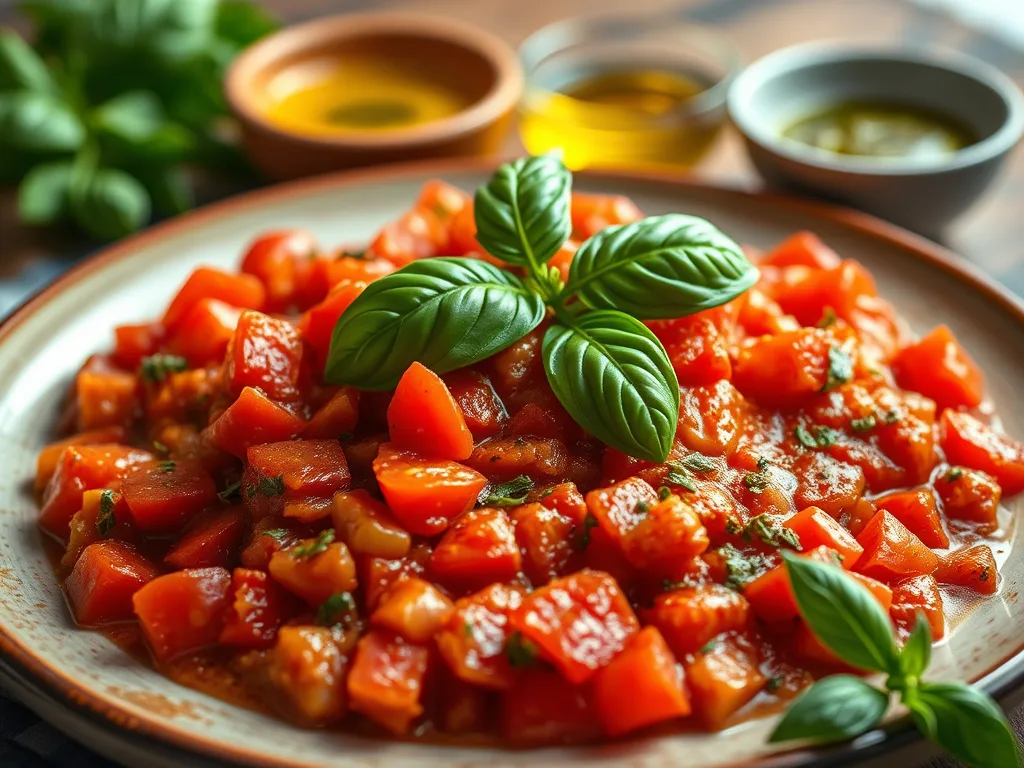
The Story Behind Classic Italian Marinara Sauce
Marinara sauce carries a name that means “of the sailors” — and its origins are genuinely tied to the sea. The sauce emerged in Naples after tomatoes arrived in Italy from the Americas. The story most often told is that Neapolitan sailors’ wives made this quick, preservable sauce to greet their husbands returning from voyages; others suggest the sailors themselves made it aboard ships because the sauce’s high acidity helped preserve it during long journeys. Whether the romantic version or the practical version is closer to the truth, marinara has always been connected to speed, simplicity, and the brilliant flavor of tomatoes cooked with garlic and herbs. It is a sauce born from practical cooking, but it became one of the foundations of Italian food around the world. That is a big legacy for something made from such humble ingredients.
Naples was the city where the tomato first found acceptance in European cuisine — the rest of Italy and Europe was slow to embrace the pomodoro, suspicious of its relationship to nightshade plants. The Neapolitan embrace of the tomato changed culinary history: within a century, tomato-based sauces were spreading across the Italian peninsula and eventually the world. Marinara — simple, bright, and alive with garlic and basil — is the pure expression of that revolutionary ingredient. From Chef Ruben’s kitchen, I think marinara is one of the most important sauces a home cook can master because it is the foundation for so many meals: pasta, pizza, meatballs, eggplant Parmesan, chicken Parmesan, baked ziti, dipping sauce, and more. A good marinara turns pantry ingredients into dinner and makes the kitchen smell like someone took their time, even when the sauce comes together quickly.
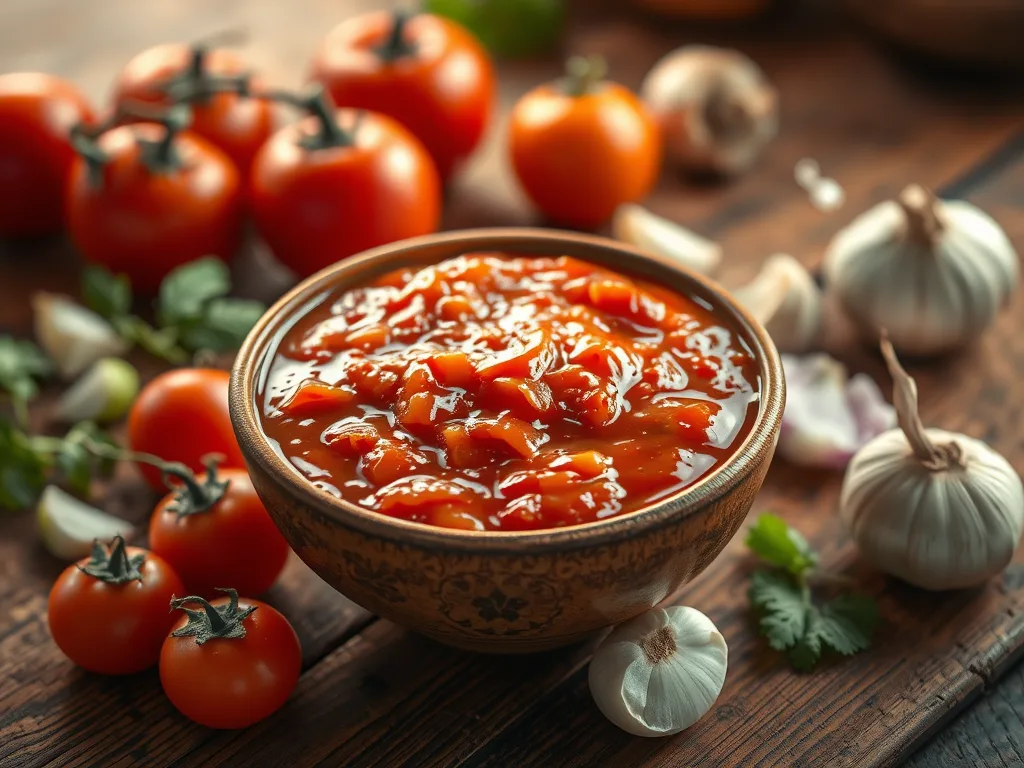
The technique is simple, but every choice shows up in the final flavor. Good tomatoes matter. San Marzano-style tomatoes are prized because they are sweet, low in seeds, and naturally balanced, but any good-quality canned tomato can make a beautiful sauce. Garlic should be gently cooked in olive oil until fragrant, not burned, because burned garlic turns bitter and takes over the pot. Some cooks add onion; some keep it strictly tomato, garlic, olive oil, basil, and salt. Both approaches can be delicious. The sauce should simmer long enough to bring the flavors together but not so long that it loses its fresh tomato brightness. A pinch of sugar can help if the tomatoes are too acidic, but it should not taste sweet. Fresh basil added near the end gives perfume and color.
I also like finishing marinara with a small drizzle of olive oil for richness and shine. That final touch rounds the sauce without making it heavy. If the sauce tastes flat, it usually needs salt or a little more time. If it tastes sharp, it may need a few more minutes of simmering or a tiny pinch of sugar. If it tastes dull, fresh basil or a splash of good olive oil can wake it up. Marinara is the kind of recipe that teaches confidence because once you understand the basic rhythm, you can cook it by feel. It freezes well, reheats beautifully, and saves dinner on busy nights. Marinara is proof that Italian cooking often succeeds by restraint. Instead of covering ingredients, it reveals them. A pot of marinara on the stove feels like comfort, history, and possibility all at once.
One thing I always appreciate about marinara is how generous it is to the home cook. You can make a quick version in under thirty minutes, or you can let it simmer gently while the house fills with tomato, garlic, and basil. You can keep it rustic and chunky or blend it smooth for pizza and dipping. The important part is not to overload it. Marinara should taste like tomatoes first. That simplicity is why it travels so well across meals. Toss it with spaghetti, spoon it over roasted vegetables, use it for meatball subs, or keep a container in the freezer for a night when you need dinner fast. A good marinara makes you feel prepared, and that is a beautiful thing.
Time and Servings:
- Prep Time: 5 minutes
- Cook Time: 20 minutes
- Total Time: 25 minutes
- Servings: 6 servings
Nutrition (per serving):
- Calories: 90 kcal
- Fat: 7g
- Carbohydrates: 7g
- Protein: 1g
Ingredients:
- 4 large tomatoes, chopped
- 3 cloves garlic, minced
- 1/4 cup olive oil
- 1 tsp dried oregano
- Salt and pepper, to taste
- Fresh basil leaves (for garnish)
Instructions:
- Sauté the Garlic:
- Heat 1/4 cup of olive oil in a medium-sized pan over medium heat.
- Add 3 cloves of minced garlic and sauté for 1-2 minutes, stirring frequently, until the garlic turns golden and fragrant.
- Cook the Tomatoes:
- Add the 4 chopped tomatoes and 1 tsp of dried oregano to the pan.
- Stir to combine and bring the mixture to a gentle simmer.
- Reduce the heat to low and cook for 20 minutes, stirring occasionally, until the sauce thickens and the tomatoes break down.
- Season and Serve:
- Season the sauce with salt and pepper to taste.
- Garnish with fresh basil leaves for added flavor and a touch of elegance.
- Serve the marinara sauce warm over pasta, as a pizza base, or as a dipping sauce for breadsticks.
Tips for Success:
- For a smoother sauce, blend the cooked mixture with an immersion blender or food processor before serving.
- Use ripe, fresh tomatoes for the best flavor. Canned whole tomatoes can also be used as a convenient substitute.
- Add a pinch of red pepper flakes for a hint of heat if desired.
Wine, Cocktail, or Drink Pairing:
- Pair this classic marinara sauce with a glass of Chianti or Italian Sangiovese wine for a traditional Italian dining experience.