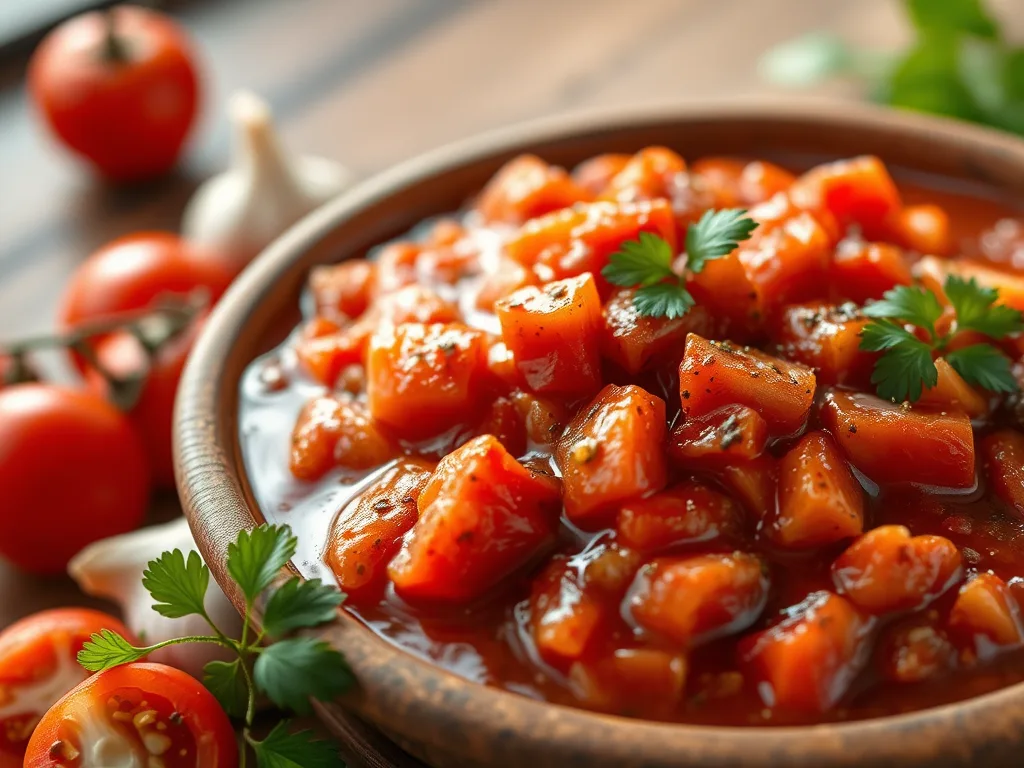
The Story Behind Arrabbiata Sauce
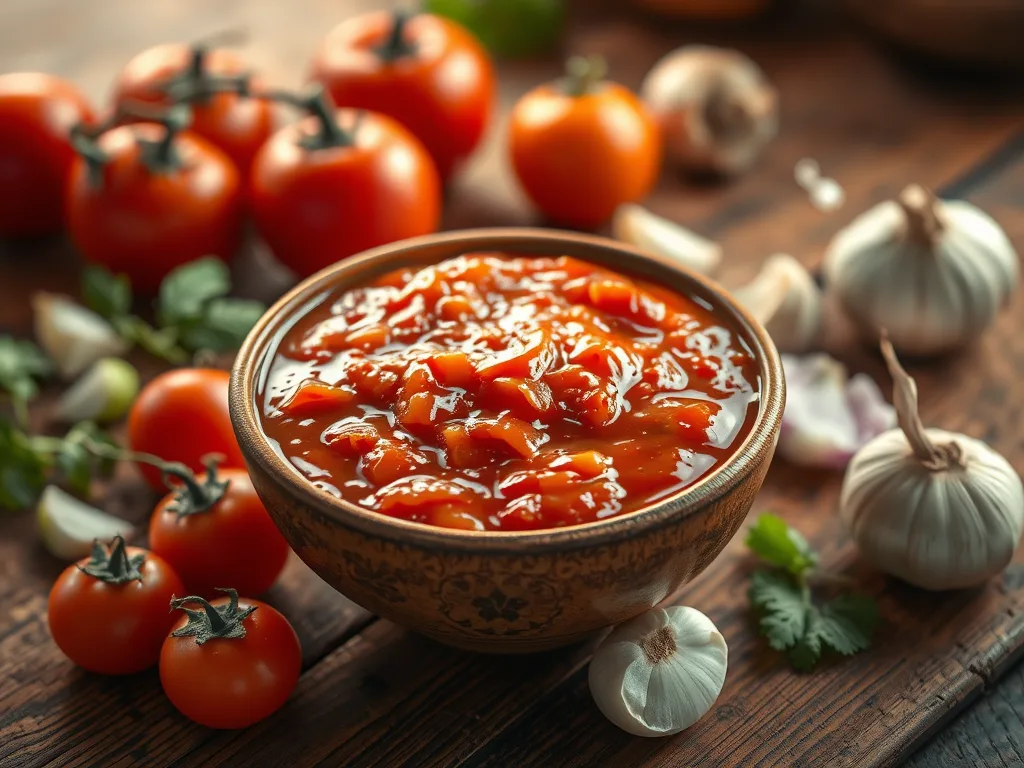
Arrabbiata — whose name means "angry" in Italian, a reference to the fiery heat of its red chiles — is one of Rome's most beloved pasta sauces and one of the simplest great recipes in Italian cuisine. The sauce is Roman in identity, built on the culinary foundation of Lazio: olive oil, garlic, San Marzano tomatoes, and peperoncino, or dried red chile. The peperoncino itself has an interesting history in Italian cooking: chiles arrived in Italy from the Americas via Spanish trade routes in the 16th century and were initially viewed with suspicion. Eventually, cooks realized that a little heat could wake up humble ingredients and turn a basic tomato sauce into something bold. That is exactly what Arrabbiata does. It does not hide behind richness or complexity. It walks into the room with garlic, tomato, chile, and confidence.
In southern Italy and Lazio, chiles were quickly embraced as a cheap, powerful seasoning — the pepper of the poor, providing heat and flavor without the expense of black pepper. Today, Arrabbiata is a staple of Roman trattorias and home kitchens alike — a sauce that takes minutes to make and delivers a fierce, bright, elemental satisfaction that no amount of complexity could improve upon. I love this sauce because it proves that Italian cooking is often about restraint, not showing off. You do not need cream, meat, or a long list of extras. You need good olive oil, garlic that is gently cooked instead of burned, tomatoes with natural sweetness, and enough chile to make the sauce live up to its name. From Chef Ruben’s point of view, the technique is all about timing. Let the garlic perfume the oil, bloom the chile flakes so their flavor spreads, then add the tomatoes and let everything reduce until it tastes concentrated and alive. Arrabbiata should feel bright, spicy, and a little rebellious, but still balanced enough that you want another forkful. Toss it with pasta while the noodles are still hot, add a splash of pasta water, and let the sauce cling. That final minute in the pan is where the dish becomes more than tomato sauce — it becomes Roman comfort with attitude.
The beauty of Arrabbiata is that it is both quick and honest. Because there are so few ingredients, each one has to do its job. The olive oil should taste good, the garlic should be fresh, and the tomatoes should be allowed to cook down until their raw edge softens. If the sauce tastes flat, it probably needs salt or more time. If it tastes harsh, the garlic may have browned too much. If it tastes dull, a touch more chile or a little fresh parsley at the end can bring it back to life. Traditionally, this sauce is often served with penne because the ridges and hollow centers catch the spicy tomato beautifully, but it also works with spaghetti, rigatoni, or any pasta that can hold a bold sauce. I like Arrabbiata for those nights when you want something fast but still want to feel like you cooked with intention. It is pantry food, but not boring pantry food. It is the kind of dish that can turn a quiet weeknight into something satisfying, especially with grated Pecorino Romano, crusty bread, and maybe a glass of red wine. Simple, fiery, and deeply Italian, Arrabbiata reminds me that sometimes the best recipes are the ones brave enough to stay uncomplicated.
Time and Servings:
- Prep Time: 5 minutes
- Cook Time: 20 minutes
- Total Time: 25 minutes
- Servings: 4 servings
Nutrition (per serving):
- Calories: 150 kcal
- Fat: 12g
- Carbohydrates: 10g
- Protein: 2g
Ingredients:
- 4 large tomatoes, chopped
- 3 cloves garlic, minced
- 1/2 tsp chili flakes
- 1/4 cup olive oil
- Salt and pepper, to taste
- Fresh parsley (for garnish)
Instructions (Detailed & Thorough):
- Sauté the Garlic:
- Heat 1/4 cup of olive oil in a medium pan over medium heat.
- Add 3 cloves of minced garlic and sauté for about 1 minute until fragrant, being careful not to burn the garlic.
- Cook the Tomatoes:
- Add 4 chopped tomatoes and 1/2 tsp of chili flakes to the pan.
- Stir to combine and bring the mixture to a simmer.
- Reduce the heat to low and let the sauce simmer for about 20 minutes, stirring occasionally, until it thickens and the flavors meld together.
- Season and Serve:
- Taste the sauce and season with salt and pepper as needed.
- Garnish with fresh parsley for a pop of color and flavor.
- Serve the Arrabbiata sauce warm over your favorite pasta, such as penne or rigatoni.
Tips for Success
- Chili Control: For less heat, reduce chili flakes or remove seeds before adding them, ensuring the sauce suits your preferred spice level.
- Tomato Quality: Use ripe, flavorful tomatoes as they form the base of the sauce's taste, enhancing its natural sweetness and depth.
- Garlic Infusion: Gently cook minced garlic in olive oil until fragrant, but avoid browning to prevent a bitter taste in your sauce.
- Simmer Time: Allow the sauce to simmer for at least 20-30 minutes, letting flavors meld and tomatoes break down for a richer consistency.
- Storage Tip: Store leftover sauce in an airtight container in the refrigerator for up to 4 days, or freeze for longer preservation and quick future meals.
Wine, Cocktail, or Drink Pairing:
- Pair this spicy Arrabbiata sauce with a bold Italian Sangiovese or a refreshing sparkling water to balance the heat.