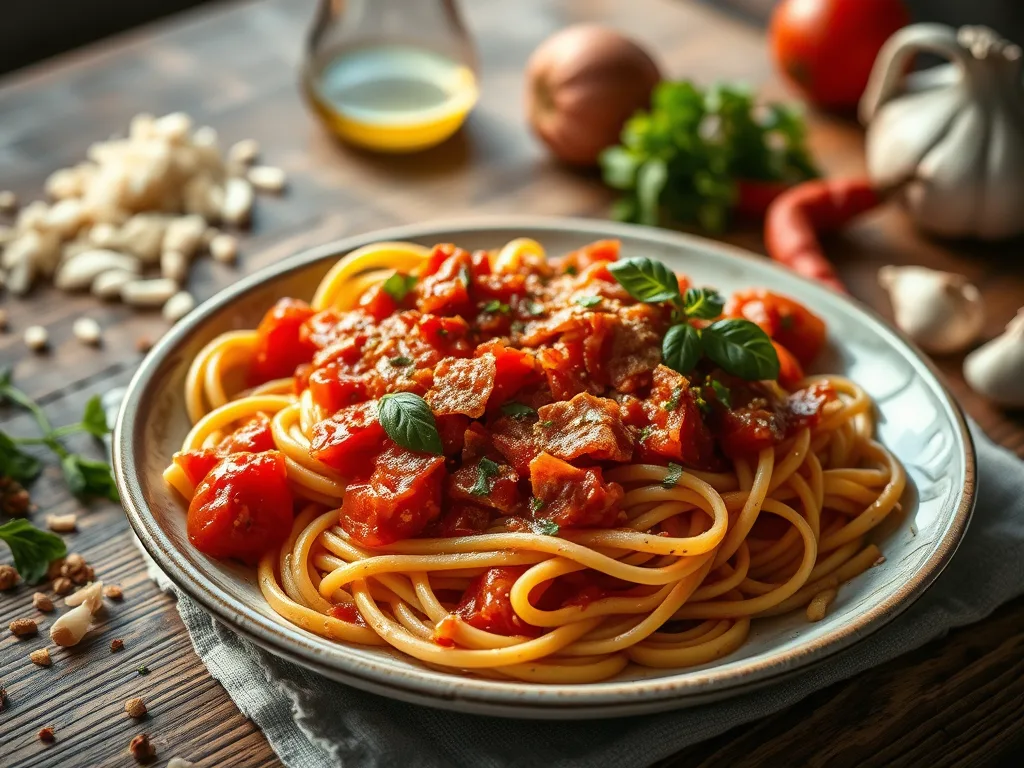
The Story Behind Amatriciana Sauce
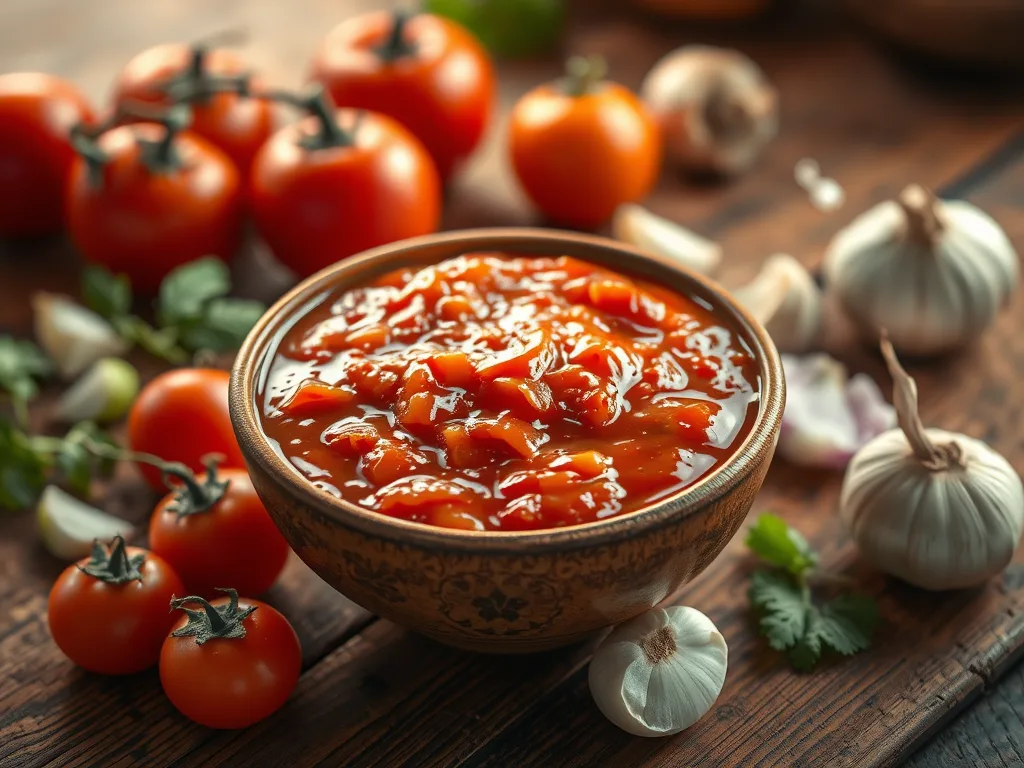
Amatriciana is one of the four canonical pasta sauces of Rome — and its origins are fiercely defended by the residents of Amatrice, the small mountain town in the Lazio-Abruzzo borderlands where it was born. The original version, called "gricia," predates the tomato entirely: it was simply cured guanciale (pork cheek), Pecorino Romano, and black pepper. When tomatoes arrived in Italy in the 16th century and finally became embraced as a food ingredient in the 18th century, they were added to the gricia — and amatriciana was born.
The sauce was brought to Rome by shepherds and farmers from Amatrice who came to the city for work, and in the Roman trattorie it became one of the defining dishes of the cuisine. In 2016, the town of Amatrice was devastated by an earthquake, and chefs worldwide made amatriciana to raise funds for the town's reconstruction — a testament to how deeply a single dish can represent a community and its spirit.
What makes amatriciana so powerful is its restraint. There are not many ingredients, so each one matters. Guanciale is traditional because its fat renders into something silky and deeply savory, giving the sauce its backbone. Pancetta can work when guanciale is unavailable, but the idea is the same: let the pork slowly release its fat, then build the sauce from that flavor. Tomatoes bring sweetness and acidity, Pecorino Romano adds salt and sharpness, and chili gives just enough heat to wake everything up.
As Chef Ruben, I love sauces that prove simplicity is not the same as plainness. Amatriciana does not need cream, garlic, or a long list of herbs to be memorable. It needs balance and confidence. The pasta should be cooked al dente, the sauce should cling rather than drown, and the cheese should finish the dish with a salty bite. A bowl of pasta all'Amatriciana tastes rustic, bold, and deeply Italian — a dish born in a mountain town that became part of Rome's culinary soul.
The real technique is in patience and proportion. If the pork is rushed, the fat will not render properly. If the tomatoes cook too briefly, the sauce can taste raw; too long, and it loses freshness. The best amatriciana lands right in the middle: savory pork, bright tomato, sharp cheese, and a little heat. It is a sauce with backbone, and that is why it has survived every trend.
Time and Servings:
- Prep Time: 5 minutes
- Cook Time: 20 minutes
- Total Time: 25 minutes
- Servings: 4 servings
Nutrition (per serving):
- Calories: 200 kcal
- Fat: 16g
- Carbohydrates: 8g
- Protein: 6g
Ingredients:
- 4 oz pancetta, diced
- 1 can (14 oz) crushed tomatoes
- 1 onion, chopped
- 2 cloves garlic, minced
- 1/2 tsp chili flakes
- 1/4 cup olive oil
- Salt and pepper, to taste
Instructions:
- Cook the Pancetta:
- Heat 1/4 cup of olive oil in a large skillet over medium heat.
- Add the diced pancetta and cook until crispy, about 5 minutes.
- Remove the pancetta with a slotted spoon and set aside, leaving the rendered fat in the skillet.
- Sauté the Onions and Garlic:
- In the same skillet, add the chopped onion and minced garlic.
- Sauté over medium heat for 3-4 minutes until softened and fragrant.
- Add Tomatoes and Chili Flakes:
- Stir in the can of crushed tomatoes and 1/2 tsp of chili flakes.
- Return the cooked pancetta to the skillet and mix well.
- Simmer the sauce over low heat for 15 minutes, stirring occasionally, to allow the flavors to meld.
- Season and Serve:
- Taste the sauce and season with salt and pepper as needed.
- Serve the Amatriciana Sauce warm over your favorite pasta, such as bucatini or spaghetti.
- Garnish with freshly grated Pecorino Romano cheese, if desired.
Tips for Success
- Render Pancetta: Cook the diced pancetta slowly over medium-low heat until crispy and golden, rendering out its fat to build a rich flavor base.
- Simmer Tomatoes: Allow the crushed tomatoes to simmer gently for at least 20 minutes, enabling flavors to meld and the sauce to thicken properly.
- Adjust Spice: Start with 1/2 teaspoon of chili flakes, then taste and add more gradually if you prefer a spicier sauce.
- Use Guanciale: For an even more authentic flavor profile, substitute guanciale for pancetta, rendering it slowly to extract its rich fat.
- Store Properly: Store leftover Amatriciana sauce in an airtight container in the refrigerator for up to 3-4 days, or freeze for longer preservation.
Wine, Cocktail, or Drink Pairing:
- Pair this sauce with a robust Italian Montepulciano d’Abruzzo or a crisp white wine like Pinot Grigio for a balanced meal.