The Story Behind Vietnamese Che Chuoi
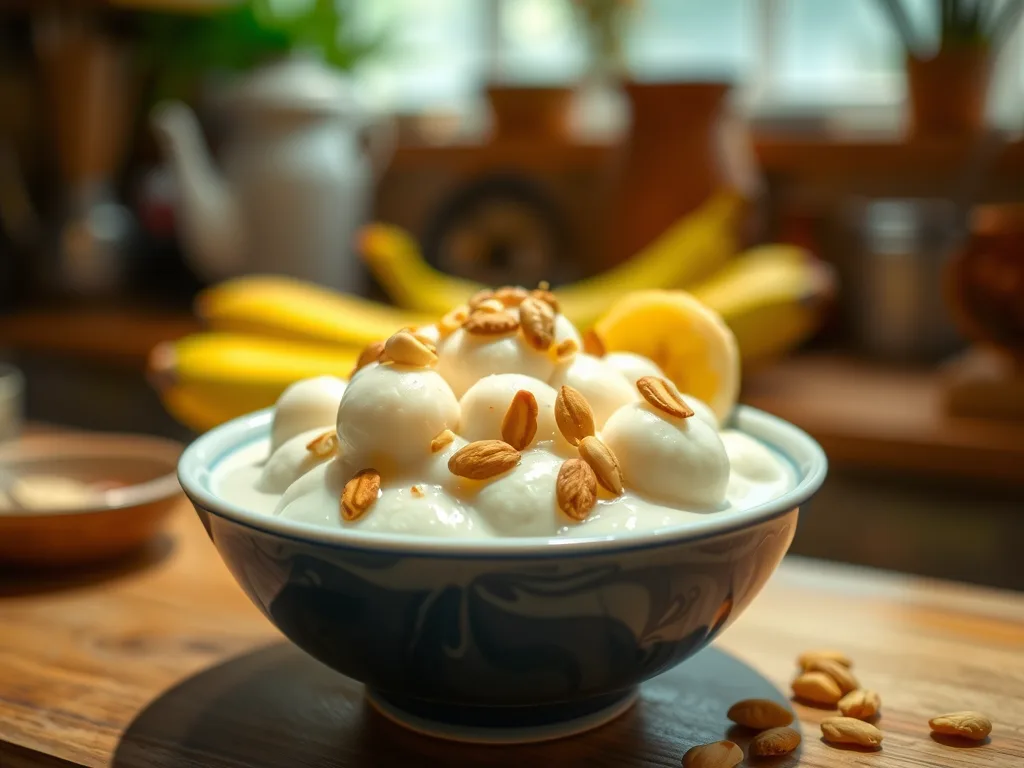
Chè — the broad category of Vietnamese sweet soups, puddings, and dessert drinks — is one of the most diverse and underappreciated dessert traditions in Southeast Asia. The word "chè" covers an enormous range of preparations: thick coconut milk-based soups with beans, jellies with fruit, layered parfaits with multicolored toppings, warm drinks with lotus seeds. Chè chuoi specifically — banana and tapioca pearls in sweetened coconut milk — is one of the simplest and most universally loved members of this family, sold by street vendors in clay bowls throughout Vietnam and considered among the most comforting of everyday desserts. Its three ingredients — banana, tapioca, coconut milk — each carry deep Southeast Asian history and together create something that feels both ancient and perfect.
Tapioca comes from cassava (Manihot esculenta), a root vegetable native to South America that was introduced to Asia via Portuguese and Spanish colonial trade routes in the 16th century, becoming one of the most important starch crops across tropical Asia and Africa. The processing of cassava starch into pearls for pudding — a Southeast Asian invention — created tapioca as we know it. Coconut milk, the liquid extracted from the grated flesh of the coconut, is the defining liquid of tropical Southeast Asian cooking, used in everything from savory curries to sweet desserts. The banana in chè chuoi should ideally be the small, fragrant chuoi su (Vietnamese finger banana) or chuoi nuong (ripe cooking banana), which hold their shape in the warm coconut soup while becoming tender and intensely sweet.
What makes chè chuoi so comforting is its texture. The tapioca pearls turn soft and bouncy, the bananas become sweet and tender, and the coconut milk wraps everything in a creamy richness that still feels light enough for warm weather. A pinch of salt is important because it sharpens the sweetness and keeps the coconut from tasting flat. Toasted sesame seeds or crushed peanuts on top add a little crunch, which makes each spoonful more interesting.
As Chef Ruben, I love desserts like this because they do not rely on frosting, chocolate, or pastry to feel special. Chè chuoi is humble, tropical, and soothing. It can be served warm, room temperature, or chilled, which makes it flexible for any season. The flavor is gentle but memorable: banana, coconut, a little chew from the tapioca, and that quiet sweetness that makes you keep going back for another spoonful. It is everyday comfort with deep cultural roots.
Time and Servings:
- Prep Time: 10 minutes
- Cook Time: 20 minutes
- Total Time: 30 minutes
- Servings: 4 servings
Nutrition (per serving):
- Calories: 220 kcal
- Protein: 2g
- Fat: 10g
- Carbohydrates: 32g
- Fiber: 2g
- Sugar: 16g
- Sodium: 80mg
Ingredients:
- 1/2 cup tapioca pearls
- 2 ripe bananas, sliced
- 1 can coconut milk (14 oz)
- 1/4 cup sugar
- 1/4 tsp salt
- 1 tbsp roasted peanuts (for topping)
Instructions:
- Cook Tapioca:
- Bring a medium pot of water to a boil. Add tapioca pearls and cook, stirring occasionally, until translucent (about 10 minutes).
- Drain and rinse under cold water to remove excess starch. Set aside.
- Make Pudding:
- In a saucepan, combine coconut milk, sugar, and salt. Stir and bring to a gentle simmer over medium heat.
- Add the sliced bananas and simmer for 5 minutes, allowing the bananas to soften and the flavors to meld.
- Combine Ingredients:
- Stir the cooked tapioca pearls into the coconut milk and banana mixture. Continue to simmer for another 5 minutes, allowing the pudding to thicken slightly.
- Serve:
- Serve Che Chuoi warm or chilled. Garnish with a sprinkle of roasted peanuts for added texture and crunch.
Tips for Success:
- Tapioca Pearls: Use small tapioca pearls for a more delicate texture, and ensure they are fully cooked to avoid chewiness.
- Banana Ripeness: Choose ripe bananas for natural sweetness and a creamy texture in the pudding.
- Versatile Serving: Che Chuoi can be served warm as a comforting dessert or chilled for a refreshing treat.
Wine, Cocktail, Drink Pairing:
- Pair this tropical dessert with a sweet Vietnamese iced coffee or a coconut water mocktail to complement its creamy and nutty flavors.