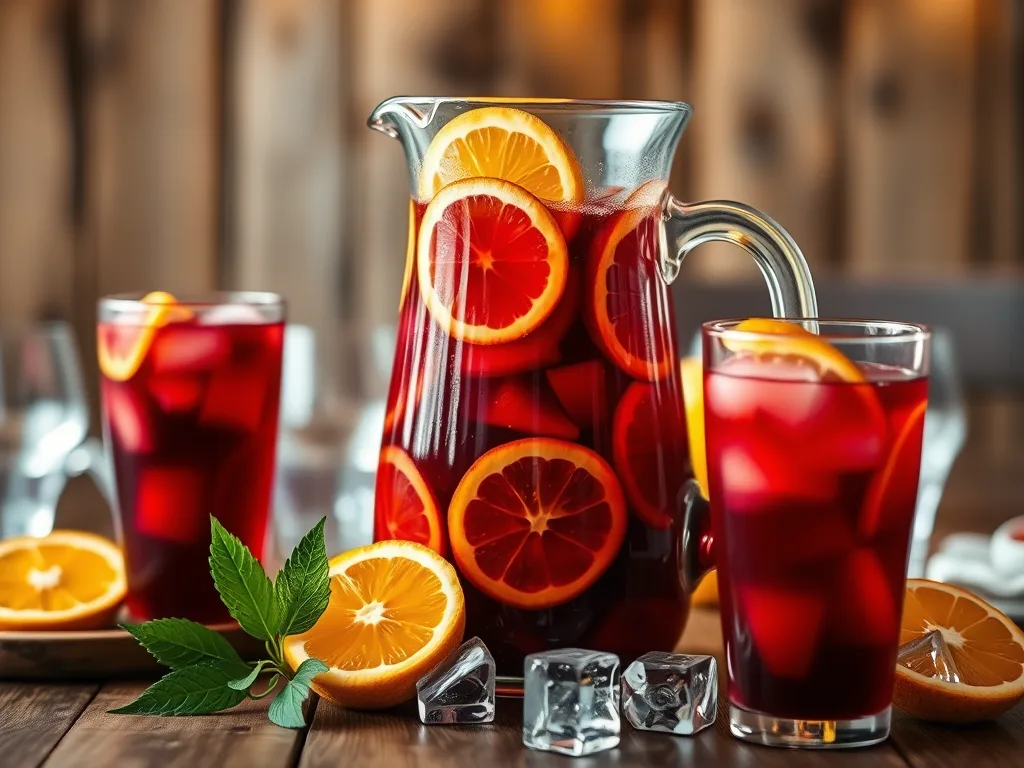
The Story Behind Spanish Sangria
Sangria — the fruity, wine-based punch of Spain — has roots that stretch back further than Spain itself. The Romans, who occupied the Iberian Peninsula from the 3rd century BCE, mixed wine with water, honey, and spices both to improve the flavor of poorer wines and to make the water safer to drink (the alcohol and acid in wine killed many waterborne pathogens). This practice of diluting and flavoring wine was widespread throughout the ancient Mediterranean, and the Spanish tradition of aromatizing wine with citrus and fruit evolved naturally from these ancient roots. The word "sangria" derives from the Spanish "sangre" (blood), referring to the deep red color of the drink.
The modern sangria gained international fame in 1964 when it was served as the signature drink of the Spanish pavilion at the World's Fair in New York City — an event that introduced millions of American tourists to Spanish culture and sparked enormous interest in traveling to Spain. The timing coincided perfectly with the beginning of mass tourism to Spain's Costa del Sol and Costa Brava, where sangria was served in earthenware jugs at every beach bar and became inseparable from the experience of "Spain in the summer." The recipe is refreshingly democratic: Spanish law regulates commercial sangria (it must contain wine, carbonated water, and fruit) but home cooks are free to improvise — adding brandy, orange liqueur, cinnamon sticks, and whatever fruit is in season. The best sangria is always the one made by someone who enjoys making it.
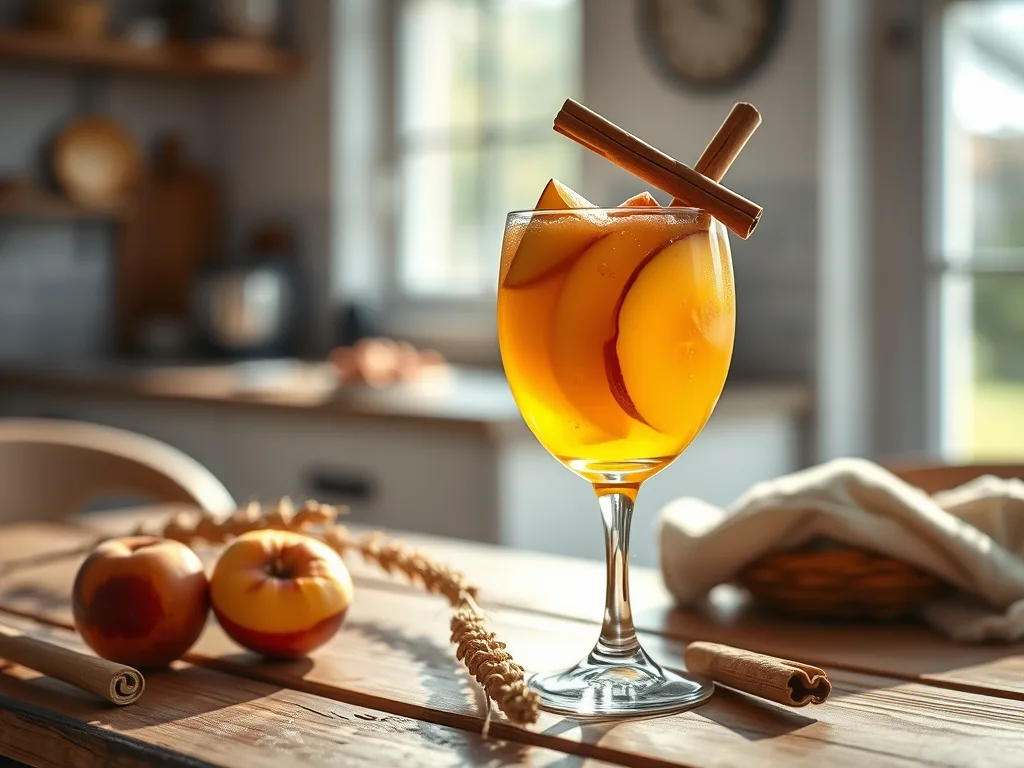
What I love about sangria is that it is less about rigid mixology and more about hospitality. It is a pitcher drink, which means it is meant to be shared. You make it ahead, let the fruit soak, chill it well, and bring it to the table when people are ready to relax. The fruit is not just decoration; it slowly gives flavor to the wine while absorbing some of the wine's richness in return. Oranges, lemons, apples, peaches, berries, and even grapes can all bring something different to the pitcher.
As Chef Ruben, I think sangria works best when it tastes bright, refreshing, and balanced instead of overly sweet. A young Spanish red wine, a little citrus, fresh fruit, and just enough sweetness can create something that feels festive without being heavy. Brandy or orange liqueur adds depth, while sparkling water or soda gives a light lift right before serving. Sangria is summer in a glass, but it is also a reminder that good food and drink do not always need to be complicated. Sometimes the best recipes are the ones that invite everyone to pour, sip, laugh, and linger a little longer.
Time and Servings:
- Prep Time: 10 minutes
- Chill Time: 2 hours
- Total Time: 2 hours 10 minutes
- Servings: 4 servings
Nutrition (per serving):
- Calories: 180 kcal
- Protein: 1g
- Fat: 0g
- Carbohydrates: 20g
- Sugar: 15g
- Alcohol: 12g
Ingredients:
- 1 bottle red wine (750 ml)
- 1 orange, sliced
- 1 lemon, sliced
- 1/2 cup brandy
- 1/4 cup orange juice
- 2 tbsp sugar
- 1 cup soda water
- Ice cubes
Instructions:
- Combine Ingredients:
- In a large pitcher, combine the red wine, brandy, orange juice, sugar, and slices of orange and lemon.
- Stir well until the sugar is completely dissolved.
- Chill the Sangria:
- Cover the pitcher and refrigerate for at least 2 hours.
- This allows the flavors to blend and the fruit to infuse into the wine, enhancing the taste.
- Serve:
- Just before serving, add soda water to the pitcher for a slight fizz. Stir gently to combine.
- Fill serving glasses with ice cubes and pour the Sangria over the ice.
- Garnish with additional slices of orange or lemon, if desired.
Tips for Success:
- For an authentic touch, use a Spanish red wine like Tempranillo or Garnacha.
- Adjust the sweetness by adding more or less sugar to suit your preference.
- For a richer fruit flavor, prepare the Sangria a day ahead and chill overnight.
Wine, Cocktail, or Drink Pairing:
- Pair this refreshing Sangria with Spanish tapas like patatas bravas, olives, or chorizo for a complete Spanish experience.