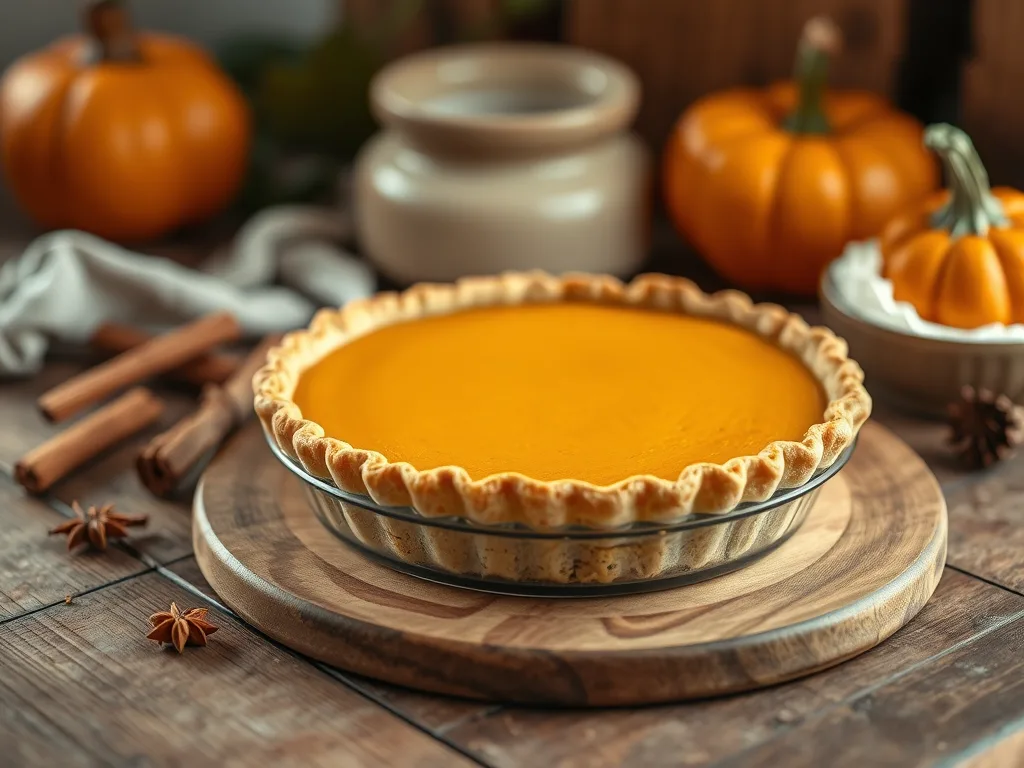
The Story Behind Pumpkin Pie Classic Thanksgiving Dessert
Pumpkin Pie is perhaps the most symbolically American dessert in existence — a dish with roots that stretch back thousands of years to indigenous North American agriculture, then evolved through colonialism, ingenuity, and tradition into the spiced custard pie that crowns the Thanksgiving table. Pumpkins are native to the Americas and were cultivated by indigenous peoples for thousands of years before European contact. Early Pilgrim settlers learned to cook pumpkin from the Wampanoag, who taught them to use every part of the squash. Pumpkin was practical, nourishing, and adaptable, which made it essential in early colonial kitchens. It could be roasted, stewed, dried, mashed, sweetened, or stretched into hearty dishes when other foods were scarce. That practicality eventually became tradition, and tradition became one of the most recognizable desserts in America.
The earliest "pumpkin pies" were actually whole pumpkins filled with honey, milk, and spices and baked in hot ashes. By the 18th century, the spiced custard version baked in a pastry shell had become standard — and by the 19th century, it was inseparable from Thanksgiving. The smell of pumpkin pie baking has become the olfactory symbol of American autumn itself. Cinnamon, ginger, nutmeg, cloves, and allspice do as much emotional work as the pumpkin. From Chef Ruben’s kitchen, pumpkin pie is one of those recipes that feels bigger than the ingredients. It is memory, tradition, and expectation all in one slice. Even people who only eat it once a year still want to see it on the table because Thanksgiving feels incomplete without it. It is the dessert that quietly says the meal has reached its proper ending.
The technique is about custard control. Pumpkin pie filling is not just sweetened pumpkin; it is a custard made with eggs, milk or cream, sugar, spices, and pumpkin puree. If it is overbaked, it can crack or turn grainy. If it is underbaked, it will not slice cleanly. The center should still have a gentle wobble when the pie comes out of the oven because it continues to set as it cools. The crust matters too. A soggy bottom can make even a delicious filling feel disappointing, so blind baking or starting with a well-chilled crust can help. Canned pumpkin is traditional and reliable, but fresh roasted pumpkin can bring a lighter, earthier flavor if properly drained. The spices should be warm but balanced. Too much clove can dominate; too little salt can make the filling taste flat.
I like serving pumpkin pie chilled or at room temperature with whipped cream, because the cool cream softens the spices and makes each bite feel complete. A little maple syrup, brown sugar, or vanilla can add depth, but the pie should still taste like pumpkin, not just spice. Letting the pie cool fully is important; cutting too soon can ruin the texture even when the flavor is perfect. Pumpkin Pie endures because it is humble and iconic at the same time: a simple custard pie carrying centuries of harvest history. It may not be the flashiest dessert on the table, but when that first slice is lifted from the pan, everyone knows exactly what season it is.
One of the beautiful things about pumpkin pie is how predictable it is in the best way. Thanksgiving can be full of new recipes, new guests, and new conversations, but pumpkin pie brings a familiar finish. The spices, the creamy filling, the flaky crust, and the whipped cream all work together like a tradition people can taste. If you want a silkier filling, avoid overmixing once the eggs are added and bake gently. If you want stronger flavor, bloom the spices briefly with the sugar before mixing. Small details matter, but the heart of the pie stays simple. Pumpkin Pie is not trying to surprise everyone. It is trying to bring them home.
Time and Servings:
- Prep Time: 15 minutes
- Cook Time: 1 hour
- Total Time: 1 hour 15 minutes
- Servings: 8 servings
Nutrition (per serving):
- Calories: 350 kcal
- Protein: 6g
- Fat: 15g
- Carbohydrates: 50g
- Fiber: 2g
- Sodium: 300mg
Ingredients:
- 1 unbaked pie crust (9-inch)
- 1 can (15 oz) pumpkin puree
- 1 cup evaporated milk
- 3/4 cup brown sugar
- 2 eggs
- 1 tsp ground cinnamon
- 1/2 tsp ground ginger
- 1/4 tsp ground cloves
- 1/4 tsp salt
Instructions:
- Preheat the Oven:
- Preheat your oven to 375°F (190°C).
- Place the unbaked pie crust in a 9-inch pie pan and set it aside.
- Prepare the Pumpkin Filling:
- In a large mixing bowl, combine 1 can (15 oz) of pumpkin puree, 1 cup of evaporated milk, 3/4 cup of brown sugar, 2 eggs, 1 tsp of ground cinnamon, 1/2 tsp of ground ginger, 1/4 tsp of ground cloves, and 1/4 tsp of salt.
- Whisk the ingredients together until the mixture is smooth and well combined.
- Fill the Pie Crust:
- Pour the pumpkin filling into the prepared pie crust, smoothing the top with a spatula.
- Bake the Pie:
- Place the pie on the center rack of the preheated oven and bake for 55-60 minutes.
- The pie is done when the edges are set, and the center is slightly jiggly but no longer wet.
- Cool and Serve:
- Remove the pie from the oven and let it cool completely on a wire rack, about 2 hours.
- Slice and serve with a dollop of whipped cream for a classic touch.
Tips for Success:
- For an extra flaky crust, chill the pie crust for 15 minutes in the freezer before filling.
- Add a pinch of nutmeg for a deeper flavor profile.
- Store leftovers in the refrigerator for up to 3 days.
Wine, Cocktail, or Drink Pairing:
- Pair this dessert with a spiced chai latte, a rich port wine, or a creamy pumpkin spice cocktail to complement its flavors.