The Story Behind Japanese Matcha Tiramisu
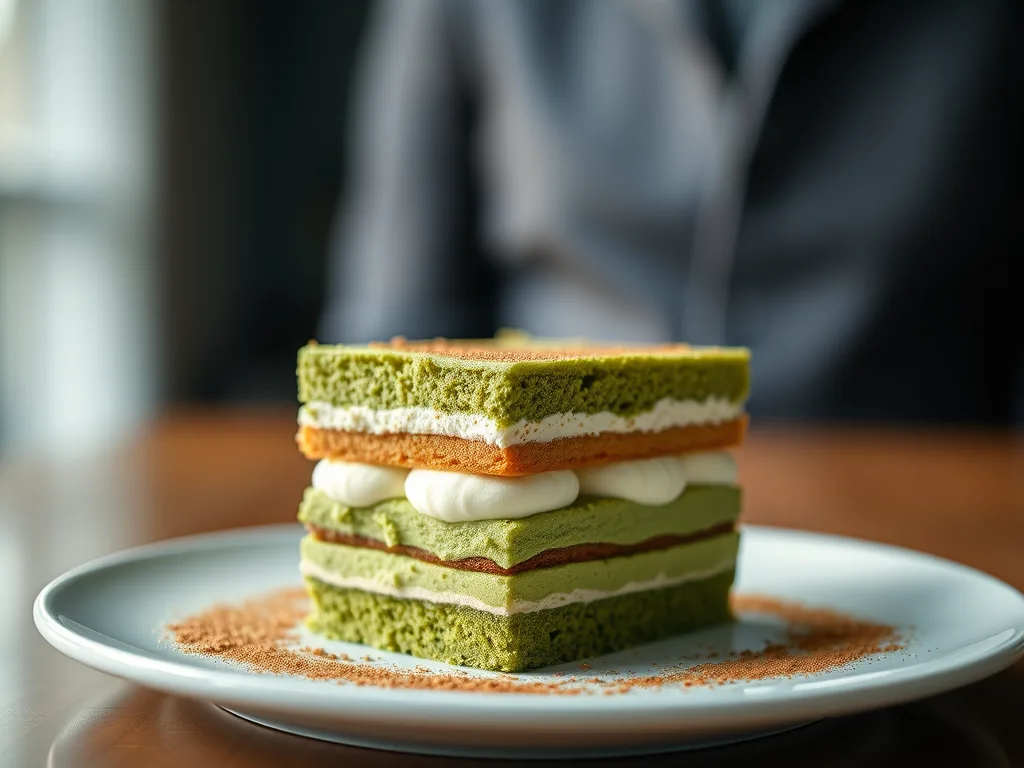
Tiramisu originated in the Veneto region of Italy in the 1960s or 1970s — its exact birthplace is still disputed between restaurants in Treviso and Friuli. Its structure is iconic: ladyfinger biscuits soaked in espresso, layered with mascarpone cream, and dusted with cocoa. The Japanese version swaps the espresso soak for strong brewed matcha and replaces the cocoa dusting with more matcha powder — a substitution that is culturally fitting, since both espresso and matcha are bitter, aromatic, and powerful drinks that cut through rich dairy cream. That is what makes matcha tiramisu such a smart fusion dessert. It does not simply add green tea for color. It replaces one bitter backbone with another, keeping the balance that makes tiramisu work while shifting the flavor into a distinctly Japanese direction.
Japan has a long tradition of adapting Western desserts with precision and creativity through yoshoku and modern café culture, and the matcha tiramisu is one of its most elegant expressions. The bitterness of the matcha, the sweetness of the mascarpone, and the delicate texture of the ladyfingers create a dessert that feels simultaneously Italian and deeply Japanese. From Chef Ruben’s kitchen, I love desserts like this because they show how fusion works best when the ingredients understand each other. Matcha has grassy bitterness, umami depth, and a beautiful green color. Mascarpone is rich and mild. Ladyfingers are light and absorbent. Together, they create a chilled dessert that feels creamy, soft, and refreshing rather than heavy.
The technique is about balance and soaking. Matcha should be whisked properly so it dissolves smoothly without clumps. Good matcha matters because low-quality powder can taste harsh or muddy. The soak should be strong enough to flavor the ladyfingers but not so watery that the dessert collapses. Ladyfingers need only a quick dip; if they sit too long, they become mushy. The mascarpone cream should be light but stable, often made with whipped cream, egg yolks, or a combination depending on the recipe style. A final dusting of matcha gives the dessert its dramatic color, but it should be applied close to serving because matcha can absorb moisture and darken over time. I like adding a touch of vanilla or white chocolate to soften the bitterness, though the matcha should still lead. This dessert is especially beautiful for spring gatherings, tea lovers, holidays, or dinner parties where you want something familiar but unexpected. Matcha tiramisu also tells a broader story about how food travels. Italian tiramisu was itself a modern creation, and Japan’s version continues that evolution with care and elegance. It is not about replacing the original. It is about honoring the structure while letting another culture’s beloved ingredient speak. The result is creamy, bittersweet, earthy, and quietly stunning.
Time and Servings:
- Prep Time: 20 minutes
- Cook Time: 0 minutes (Chill time: 4 hours)
- Total Time: 4 hours 20 minutes
- Servings: 8 servings
Nutrition (per serving):
- Calories: 300 kcal
- Protein: 5g
- Fat: 20g
- Carbohydrates: 25g
- Fiber: 1g
- Sugar: 15g
- Sodium: 70mg
Ingredients:
- 2 tbsp matcha powder
- 1 cup hot water
- 4 egg yolks
- 1/2 cup sugar
- 1 cup mascarpone cheese
- 1 cup heavy cream
- 16 ladyfingers
- 1 tsp vanilla extract
Instructions:
- Prepare Matcha:
- Dissolve matcha powder in 1 cup of hot water, whisking until smooth. Let it cool completely.
- Make Cream:
- Beat egg yolks and sugar in a medium bowl until pale, thick, and doubled in volume. Fold in mascarpone cheese and vanilla extract until smooth.
- Whip heavy cream to stiff peaks in a separate bowl and gently fold into the mascarpone mixture.
- Assemble Tiramisu:
- Dip ladyfingers into the cooled matcha tea briefly, ensuring they’re soaked but not saturated. Arrange a layer at the bottom of your serving dish.
- Spread half the mascarpone cream over the ladyfingers. Repeat with another layer of soaked ladyfingers and the remaining cream.
- Chill:
- Cover and refrigerate for at least 4 hours or overnight to set and meld flavors.
- Serve:
- Dust the top with matcha powder using a fine sieve. Slice and serve this elegant dessert.
Tips for Success:
- Matcha Quality: Use high-quality ceremonial-grade matcha for the best flavor and vibrant color.
- Egg Safety: Use pasteurized eggs for added safety in this no-bake dessert.
- Make Ahead: Prepare a day in advance for an even better flavor profile.
Wine, Cocktail, Drink Pairing:
- Pair with a light jasmine tea or sparkling sake to complement the earthy tones of the matcha.