The Story Behind Japanese Matcha Latte
Matcha — finely stone-ground green tea — has been central to Japanese tea culture since the 12th century, when Buddhist monks brought the practice of grinding whole tea leaves from China. For centuries, drinking matcha was a ritual act: the powdered tea was whisked with hot water in a ceramic bowl using a bamboo whisk, following the precise choreography of the Japanese tea ceremony, or chadō. In that traditional setting, matcha is not just a beverage. It is meditation, hospitality, discipline, and beauty expressed through small gestures. The idea of mixing matcha with steamed milk is a modern adaptation, born in Western cafés in the 1990s and 2000s as matcha's earthy, slightly bitter flavor found a natural complement in the sweetness and fat of dairy.
The key step that separates a great matcha latte from a mediocre one is whisking the matcha into a paste with a small amount of hot water before adding the milk — this prevents clumping and gives the drink its vivid, uniform green color. This recipe uses that authentic technique for the creamiest, most vibrant result. From Chef Ruben’s kitchen, I love matcha lattes because they bring together tradition and comfort. Traditional matcha can be intense, grassy, and bitter in a beautiful way. Milk softens those edges, making the flavor more approachable without erasing its character. A good matcha latte should still taste like matcha, not just sweet green milk.
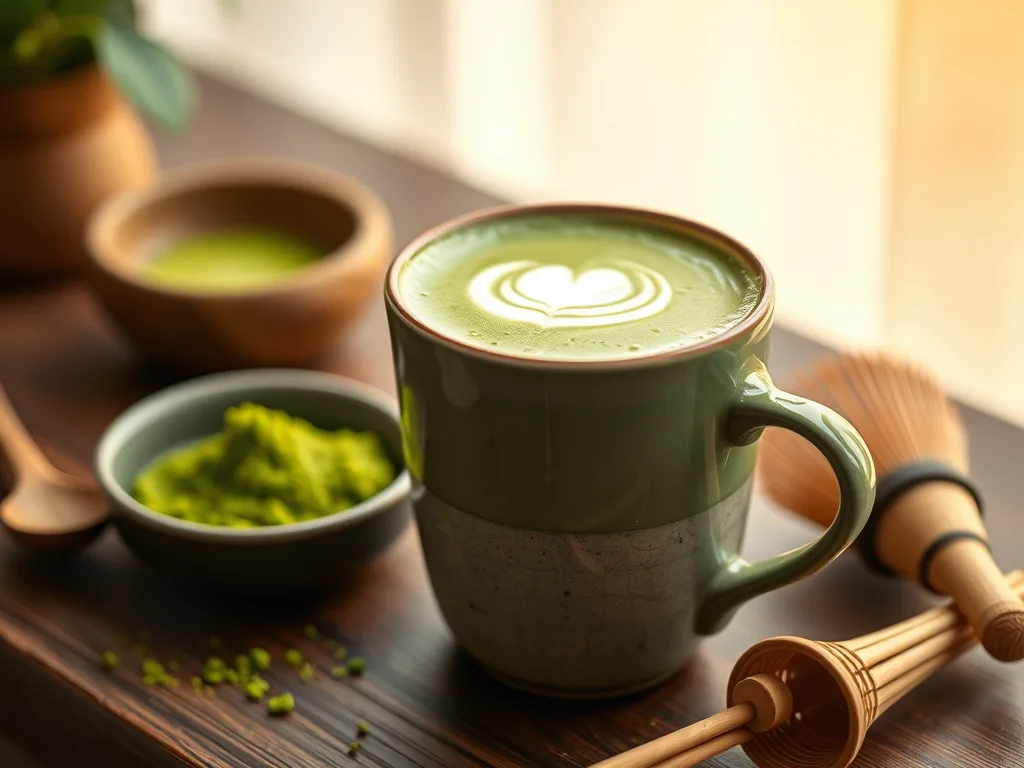
The quality of the powder matters. Ceremonial-grade matcha is bright green, smooth, and naturally sweet with gentle bitterness. Culinary-grade matcha can work well for lattes, especially when balanced with milk and a little sweetener, but dull or brownish matcha often tastes harsh. Water temperature matters too. Boiling water can scorch matcha and make it taste bitter. Warm water, whisked carefully, helps release the flavor while keeping the color beautiful. A bamboo chasen is traditional, but a small whisk, milk frother, or shaker can help at home. The milk can be dairy, oat, almond, soy, or coconut, and each one changes the drink. Oat milk gives natural sweetness and foam, while whole milk makes it creamy and rich.
What makes the matcha latte so popular is that it feels both energizing and calming. Matcha contains caffeine, but it also contains L-theanine, which is associated with a smoother, more focused kind of alertness. That is part of why monks valued tea during meditation. In a modern kitchen, the latte version becomes a morning ritual, an afternoon reset, or an iced drink for warm weather. Sweetener is optional, but a little honey, vanilla syrup, or maple can round out the bitterness. I also like a tiny pinch of salt because it can make the flavor taste fuller. The matcha latte is a beautiful example of how old traditions continue to evolve. It may not be part of the formal tea ceremony, but it still invites care: sift, whisk, steam, pour, pause. That little moment of attention is part of the pleasure. Creamy, green, earthy, and comforting, a well-made matcha latte turns a café favorite into a simple daily ritual at home.
Time and Servings:
- Prep Time: 5 minutes
- Cook Time: 5 minutes
- Total Time: 10 minutes
- Servings: 1 serving
Nutrition (per serving):
- Calories: 80 kcal (based on regular milk; will vary with plant-based milk)
- Protein: 4g
- Fat: 3g
- Carbohydrates: 10g
- Fiber: 1g
- Sugar: 8g
- Calcium: 150mg
Ingredients:
- 1 tsp matcha powder
- 1/4 cup hot water (not boiling)
- 1 cup milk (or plant-based milk like almond, oat, or soy)
- 1 tsp honey or maple syrup (optional, for sweetness)
Instructions:
Prepare Matcha
- Sift the matcha powder into a small bowl to remove any lumps.
- Add hot water (not boiling) and whisk vigorously using a bamboo whisk (chasen) or a small hand frother until smooth and frothy.
Heat Milk
- In a small saucepan, warm the milk over medium heat, being careful not to boil.
- Froth the milk using a frother or whisk until it becomes creamy with a layer of foam on top.
Combine
- Pour the prepared matcha into your favorite cup. Add sweetener like honey or maple syrup, if desired.
- Gently pour the frothed milk over the matcha, holding back the foam with a spoon. Top with the remaining foam.
Serve:
Enjoy your matcha latte warm for a comforting treat, or serve over ice for a refreshing iced matcha latte.
Tips for Success:
- Perfect Matcha: Use high-quality ceremonial-grade matcha for the best flavor and vibrant green color.
- Frothing Technique: For a creamier texture, heat the milk to about 150°F before frothing.
- Sweetener Alternatives: Adjust sweetness with agave syrup, stevia, or coconut sugar to suit your taste.
Wine, Cocktail, or Drink Pairing:
- Pair this latte with a light Japanese dessert like mochi or wagashi for an authentic tea-time experience.