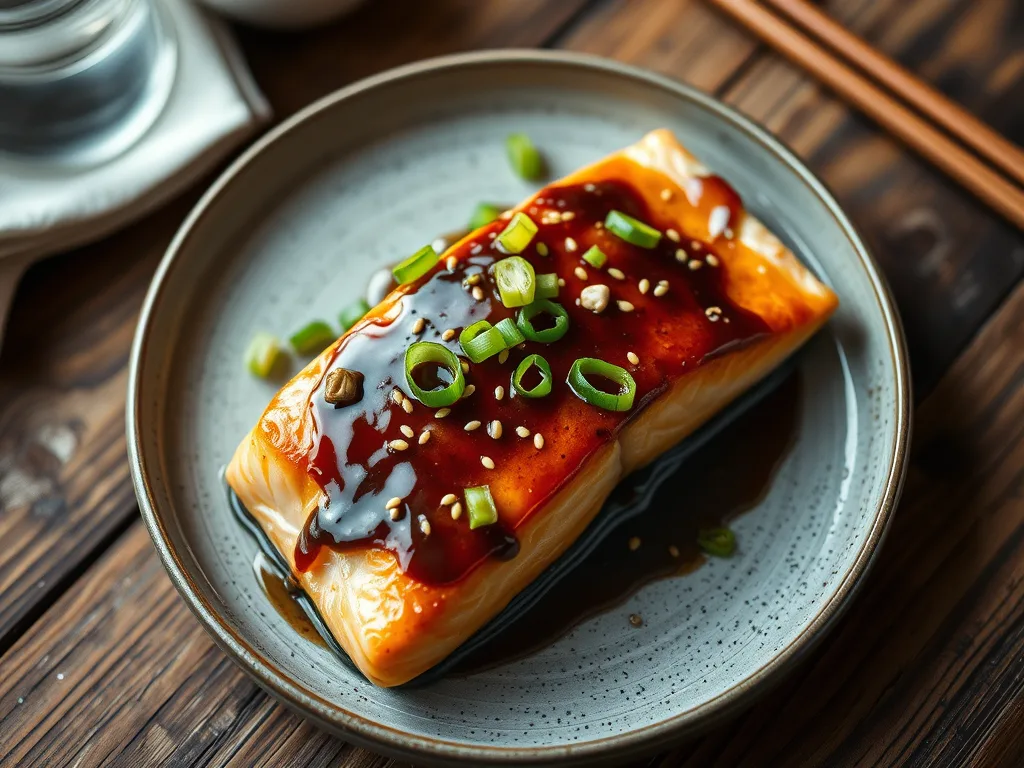
The Story Behind Miso-Glazed Salmon
Japanese Miso Glazed Salmon draws on one of Japan's oldest and most fundamental ingredients: miso. Miso paste — made from fermented soybeans — has been produced in Japan for over 1,300 years, with references to it appearing in records from the Nara Period (710–794 AD). The technique of marinating fish and other proteins in a mixture of miso, mirin, and sake is often associated with Saikyo-yake, a refined preparation connected to Kyoto’s elegant culinary traditions. What makes this style so special is balance. Miso brings salt, depth, and umami; mirin brings sweetness and shine; sake helps soften the edges and carry flavor into the fish. Together, they create a glaze that feels simple on paper but incredibly layered once it hits heat. That is one of the things I appreciate most about Japanese cooking: the ingredient list can be short, but the attention to balance makes every bite feel intentional.
Saikyo miso — a pale, sweet miso from Kyoto — was traditionally used for this style of preparation, creating a delicate, caramelized glaze that perfectly complements the richness of salmon. The legendary chef Nobu Matsuhisa brought this technique to international fame with his iconic miso black cod, inspiring chefs worldwide. The miso-glazed salmon is a more accessible version of that same brilliant idea — simple to make yet deeply flavorful, with centuries of Japanese culinary wisdom in every bite. I especially like this recipe for holidays because it feels elegant without requiring a complicated process. You can prepare the marinade ahead, let the salmon absorb the flavor, and then roast or broil it right before serving. The one thing I always pay attention to is heat: miso contains natural sugars, so it can go from beautifully caramelized to overly dark quickly. That is not something to fear; it just means you stay close and let the glaze do its work. From Chef Ruben’s kitchen, this is the kind of dish I would serve when I want seafood to feel special but still comforting. The salmon stays buttery and tender, the surface turns glossy and savory-sweet, and the aroma alone tells everyone at the table that this is not ordinary baked fish.
There is also something practical and beautiful about using salmon for this preparation. Salmon has enough richness to stand up to the miso marinade, but it cooks quickly enough to make the dish weeknight-friendly. For a holiday meal, it gives you a lighter main course option that still feels luxurious. Technique matters here. A short marinade gives flavor, while a longer one creates deeper seasoning, but the fish should not be forgotten in the mixture for too long or the texture can become too firm. Before cooking, I like to wipe off excess marinade rather than leave a thick layer sitting on the fish, because that helps prevent burning while still allowing caramelization. A hot oven, broiler, or skillet can all work, as long as you respect the glaze. Pair it with steamed rice, roasted vegetables, pickled cucumbers, or a crisp salad, and the whole meal feels balanced. This recipe is a reminder that festive food does not always need heavy sauces or complicated steps. Sometimes the most impressive plate comes from fermentation, patience, heat, and restraint. Miso-glazed salmon is tradition, technique, and simplicity coming together in a way that feels both ancient and modern.
Time and Servings:
- Prep Time: 10 minutes
- Cook Time: 15 minutes
- Total Time: 25 minutes
- Servings: 4
Nutrition (per serving):
- Calories: 320 kcal
- Protein: 28g
- Fat: 16g
- Carbohydrates: 10g
Ingredients:
- Salmon Fillets:
- 4 salmon fillets
- For the Glaze:
- 3 tbsp white miso paste
- 2 tbsp honey
- 1 tbsp soy sauce
- 1 tbsp rice vinegar
- 1 tsp sesame oil
- Garnish:
- Green onions, sliced
- Sesame seeds
Instructions:
1. Prepare the Glaze
- In a small mixing bowl, whisk together miso paste, honey, soy sauce, rice vinegar, and sesame oil until smooth and well combined.
2. Marinate Salmon
- Arrange salmon fillets on a plate or shallow dish. Brush the glaze generously over each fillet, ensuring all sides are coated.
- Allow the salmon to marinate for 10 minutes to absorb the flavors.
3. Cook the Salmon
- Preheat the oven to 400°F (200°C). Line a baking sheet with parchment paper or lightly grease it.
- Place the marinated salmon fillets on the baking sheet.
- Bake for 12-15 minutes, depending on the thickness of the fillets, until the salmon is cooked through and flakes easily with a fork.
4. Garnish and Serve
- Remove the salmon from the oven and transfer to serving plates.
- Garnish with sliced green onions and sesame seeds.
- Serve hot with steamed rice, roasted vegetables, or a fresh green salad.
Tips for Success:
- Choose Quality Salmon: Fresh, high-quality salmon enhances both the flavor and texture of this dish.
- Control Sweetness: For a less sweet glaze, reduce the honey slightly or balance it with a touch of lime juice.
- Avoid Overcooking: Keep an eye on the salmon while baking to prevent it from drying out. A meat thermometer is useful; the ideal internal temperature is 145°F (63°C).
- Add Depth: Incorporate grated fresh ginger or garlic into the glaze for extra flavor.
- Presentation Tip: For a gourmet look, drizzle extra glaze over the plated salmon or serve alongside pickled vegetables for a contrasting tang.
Pairing Suggestions:
This Japanese Miso-Glazed Salmon pairs beautifully with:
- Steamed jasmine rice or sushi rice
- Roasted sesame broccoli
- Miso soup for a complete Japanese-inspired meal
Perfect for holiday dinners, festive gatherings, or even a special midweek treat! 🎄🍣