The Story Behind Cannoli
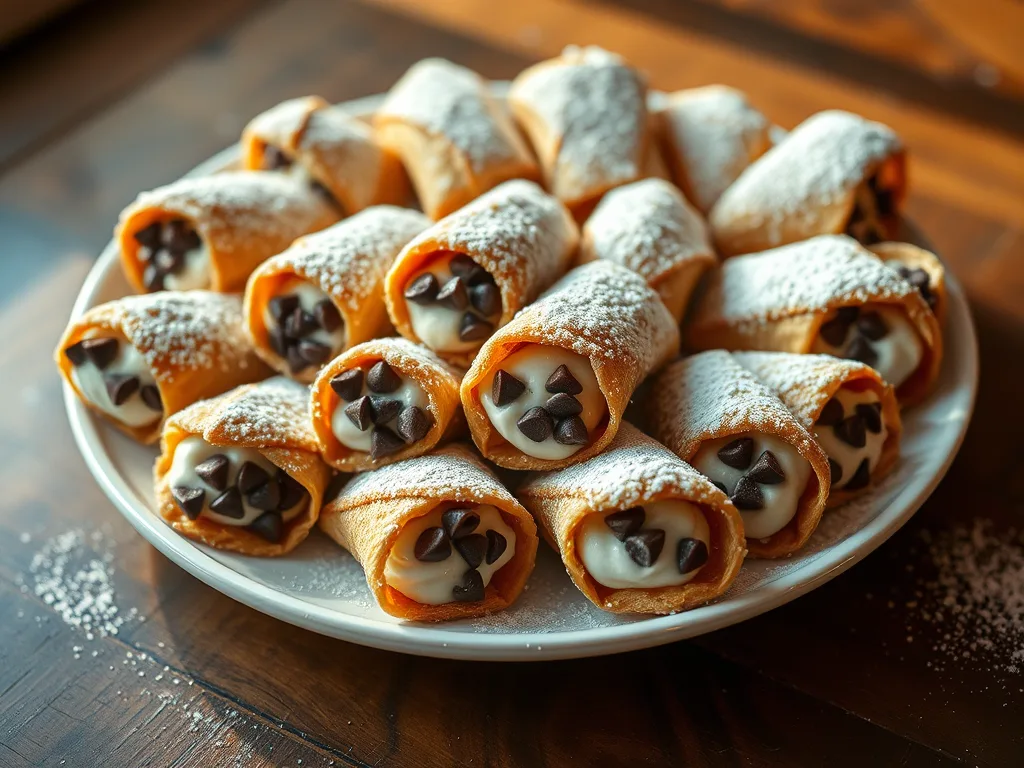
Italian Cannoli are one of Sicily's most iconic foods — and one of the oldest pastries in Europe. The word "cannoli" is the plural of "cannolo," meaning little tube, and refers to the crispy fried shell that encases a sweet ricotta filling. The origins of the cannolo trace back to the Arab rule of Sicily from the 9th to 11th centuries, when sugar, citrus, spices, and almonds were introduced or expanded on the island. Sicily became a crossroads of Mediterranean flavor, shaped by Arab, Norman, Spanish, Greek, and Italian influences. Cannoli carry that history beautifully: crisp pastry, creamy cheese, citrus, chocolate, nuts, and sweetness all wrapped into one elegant bite.
Some historians believe the first cannoli were made in a convent in Caltanissetta during Carnevale season — the fried, sweet, creamy pastry representing the decadence of the pre-Lenten celebration. The traditional filling of sheep's milk ricotta, sweetened and spiked with orange peel and chocolate chips, has remained essentially unchanged for centuries. Sicilian emigrants brought cannoli to America in the late 19th and early 20th centuries, where they became synonymous with Italian-American culture and were immortalized forever in The Godfather's unforgettable line. From Chef Ruben’s kitchen, I love cannoli because they feel festive without needing to be large. One good cannolo can deliver crunch, cream, sweetness, and tradition all at once. It is a pastry that knows exactly what it is.
The secret to cannoli is contrast. The shell must be crisp, blistered, and sturdy enough to hold the filling, while the ricotta must be smooth, lightly sweet, and creamy without being wet. If the filling is too loose, it softens the shell and the magic disappears. That is why good ricotta should be drained before mixing. The shells are traditionally wrapped around metal tubes and fried until golden, sometimes with a little wine or vinegar in the dough to help create tenderness and bubbles. Filling should happen close to serving time so the shell stays crisp. In Sicily, sheep’s milk ricotta gives the most traditional flavor, but cow’s milk ricotta is more common in many home kitchens. Chocolate chips, candied orange peel, pistachios, cinnamon, or a little vanilla can all appear depending on the family and region. What I respect about cannoli is that they look fancy, but they are rooted in celebration and seasonality. Carnevale was a time to enjoy richness before fasting, and cannoli still carry that spirit of indulgence. In Italian-American bakeries, rows of cannoli in the display case became symbols of heritage, family gatherings, Sunday dinners, and holidays. A fresh cannolo should never feel soggy or overly sweet. It should crack when you bite it, then give way to cool, creamy ricotta. That moment is why cannoli have survived for centuries.
Time and Servings:
- Prep Time: 30 minutes
- Cook Time: 15 minutes (if making shells)
- Total Time: 45 minutes
- Servings: 12 cannoli
Nutrition (per serving):
- Calories: 250 kcal
- Protein: 5g
- Fat: 12g
- Carbohydrates: 30g
Ingredients:
- 12 cannoli shells (store-bought or homemade)
- 1 1/2 cups ricotta cheese (well-drained)
- 1/2 cup powdered sugar
- 1/4 cup mini chocolate chips
- 1 tsp vanilla extract
- Powdered sugar, for dusting
Instructions:
- Prepare the Ricotta Filling:
- In a medium mixing bowl, combine 1 1/2 cups of well-drained ricotta cheese, 1/2 cup of powdered sugar, 1/4 cup of mini chocolate chips, and 1 tsp of vanilla extract.
- Mix well until smooth and creamy.
- Taste the filling and adjust sweetness by adding more powdered sugar if desired.
- Fill the Cannoli Shells:
- Transfer the ricotta mixture into a piping bag fitted with a medium-sized round or star tip.
- Pipe the filling into each cannoli shell, starting from one end and filling to the center, then repeating from the other end to ensure even filling.
- Serve:
- Arrange the filled cannoli on a serving platter.
- Dust with powdered sugar using a fine mesh sieve for an elegant finish.
Tips for Success:
- Drain the Ricotta: Place the ricotta in a cheesecloth-lined strainer over a bowl and refrigerate for several hours or overnight to remove excess moisture for a thicker filling.
- Shells: If making homemade shells, fry them just before filling to keep them crisp. Store-bought shells are a convenient option.
- Variations: Add a pinch of cinnamon or orange zest to the filling for a flavor twist.
Wine, Cocktail, or Drink Pairing:
- Pair these cannoli with a sweet Marsala wine, a rich espresso, or a creamy cappuccino for an authentic Italian experience.