The Story Behind Gulab Jamun
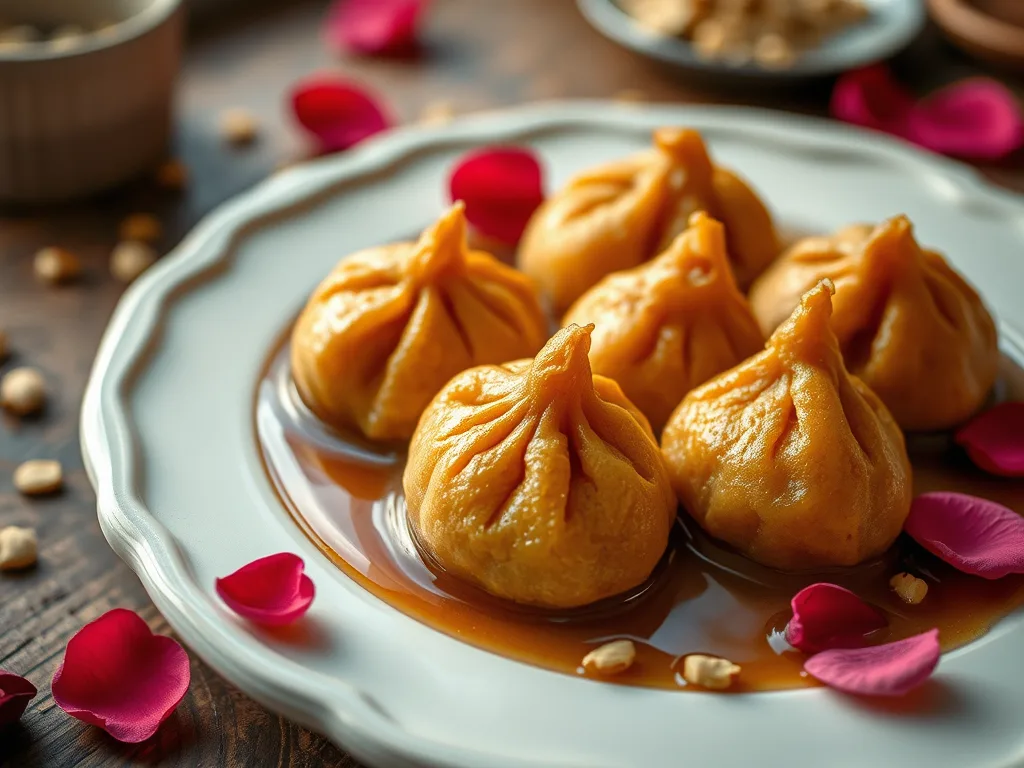
Gulab jamun is one of the most beloved desserts across the Indian subcontinent — small, soft balls of reduced milk solids, known as khoya, deep-fried until golden, then soaked in a fragrant sugar syrup infused with rose water and cardamom. The name is evocative: "gulab" means rose in Persian and Hindi, and "jamun" refers to the Jambul fruit, whose dark color the soaked dumplings resemble. The dish has roots in Persia and the Middle East — similar fried milk dumplings in syrup appear in ancient Arabic culinary tradition — and was likely brought into the Mughal courts, where Persian-influenced sweets, fragrant syrups, and rich dairy desserts became part of royal cuisine. Over time, gulab jamun traveled far beyond palace kitchens and became a dessert of celebration, comfort, and hospitality.
In the centuries since, gulab jamun has become deeply embedded in the celebration culture of South Asia, served at weddings, festivals, religious occasions, family gatherings, and restaurant meals throughout the year. The key to perfect gulab jamun is texture: the dumplings must be soft enough to absorb the syrup while remaining intact, which requires the right ratio of khoya to flour and careful attention to frying temperature. From Chef Ruben’s perspective, this is where the recipe becomes both simple and delicate. The ingredients may not seem complicated, but the technique deserves respect. If the dough is too dry, the dumplings can crack. If it is overworked, they can become dense. If the oil is too hot, the outside browns before the inside cooks. If the syrup is too thick, it cannot soak properly into the dumplings. Gulab jamun teaches patience in the sweetest way possible. You roll gently, fry slowly, soak warmly, and wait long enough for the syrup to reach the center. That waiting is part of the dessert. The transformation happens after frying, when the golden dumplings relax into the rose-cardamom syrup and become tender, glossy, and deeply aromatic.
What I love most about gulab jamun is how emotional it feels as a dessert. It is rich, sweet, floral, and comforting all at once. A plate of warm gulab jamun does not feel casual; it feels like something offered with care. In many families, it appears when something good is happening — a wedding, a birthday, a holiday, a prayer gathering, a new beginning. That gives the dessert a kind of celebration energy before you even taste it. The rose water gives perfume without needing to overpower the syrup, while cardamom adds warmth and elegance. Some cooks add saffron for color and luxury, and some garnish with pistachios or almonds for contrast. The syrup should be warm when the dumplings go in, not boiling hot, because the goal is soaking, not breaking them apart. I also like how gulab jamun connects to a broader world of syrup-soaked desserts, from Middle Eastern luqaimat to Greek loukoumades and Latin American buñuelos in syrup. So many cultures understand the pleasure of fried dough meeting sweetness. But gulab jamun has its own identity because of the milk solids, the floral syrup, and that melt-in-your-mouth texture. Serve it warm with a little extra syrup spooned over the top, or pair it with vanilla ice cream for a hot-and-cold contrast that is hard to resist. It is a dessert that feels generous, festive, and unforgettable.
Time and Servings:
- Prep Time: 15 minutes
- Cook Time: 20 minutes
- Total Time: 35 minutes (plus 30 minutes soaking time)
- Servings: 6 servings
Nutrition (per serving):
- Calories: 250 kcal
- Protein: 4g
- Fat: 8g
- Carbohydrates: 40g
- Fiber: 0g
- Sugar: 30g
- Sodium: 50mg
Ingredients:
For the Dough:
- 1 cup milk powder
- 1/4 cup all-purpose flour
- 1/4 tsp baking powder
- 2 tbsp ghee
- 1/4 cup milk
For the Syrup:
- 1 1/2 cups sugar
- 1 cup water
- 1 tsp rose water
- 1/4 tsp cardamom powder
For Frying:
- Oil (for frying)
Instructions:
- Make Dough:
- In a medium bowl, mix milk powder, all-purpose flour, and baking powder.
- Add ghee and milk, mixing until a soft, smooth dough forms.
- Divide the dough into small, even balls, about 1 inch in diameter, ensuring there are no cracks.
- Fry Dumplings:
- Heat oil in a deep frying pan over medium heat.
- Gently fry the dough balls, turning occasionally, until golden brown on all sides (about 5-6 minutes).
- Remove with a slotted spoon and drain on paper towels.
- Make Syrup:
- In a saucepan, combine water, sugar, rose water, and cardamom powder.
- Bring to a boil, stirring until the sugar dissolves.
- Simmer for 5 minutes until slightly thickened, then remove from heat and let cool slightly.
- Soak and Serve:
- Place fried dumplings in the warm syrup, ensuring they are fully submerged.
- Let them soak for at least 30 minutes to absorb the syrup and soften.
- Serve warm or at room temperature, garnished with rose petals or chopped nuts if desired.
Tips for Success:
- Texture Check: Ensure the dough is soft but not sticky for perfectly smooth dumplings.
- Frying: Fry on medium heat to cook evenly and avoid burning the exterior.
- Flavor Boost: Adjust the rose water and cardamom levels based on your taste preference.
Wine, Cocktail, Drink Pairing:
- Pair this rich dessert with a cup of masala chai or a glass of chilled almond milk for a truly indulgent experience.