The Story Behind Leche Flan Caramel Custard Dessert
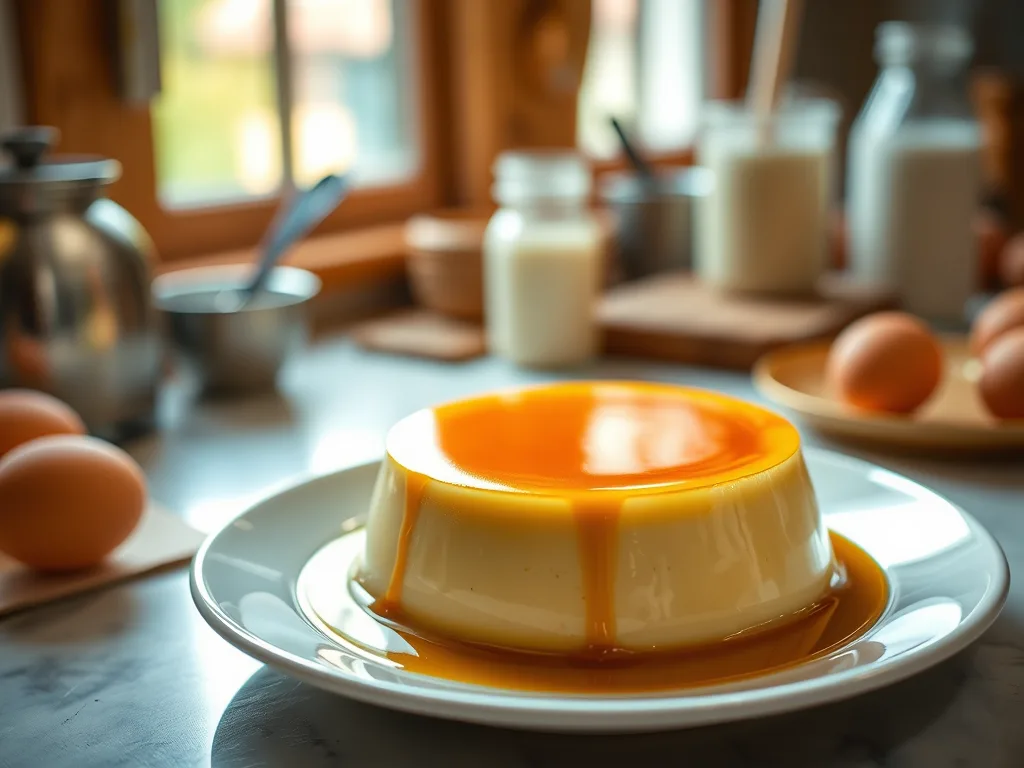
Filipino Leche Flan has a story that crosses continents and centuries. The original flan was brought to the Philippines by Spanish colonizers in the 16th century, who themselves had inherited the recipe from Moorish influences in medieval Spain. The Filipino version quickly became more decadent than its Spanish ancestor: made with a generous number of egg yolks, often a dozen or more, and sweetened condensed milk, Filipino Leche Flan is richer, silkier, and sweeter than almost any other flan in the world. It is a dessert that looks simple — caramel on top, custard beneath — but the texture tells the truth. A great leche flan should be smooth, dense, glossy, and luxurious, with caramel that runs like amber over every slice.
Traditionally steamed rather than baked — a technique born of necessity when ovens were rare — this custard developed its signature ultra-smooth texture. Leche Flan appears at every Filipino celebration, from birthdays to holidays to Sunday family lunches, often passed between households as a gesture of generosity and love. From Chef Ruben’s kitchen, I love desserts that have this kind of presence. When leche flan appears on the table, people notice. It is often served in a llanera, the oval metal mold that gives it its classic shape, and unmolding it is always a small dramatic moment. Will the caramel release? Will the top shine? Will the custard hold? When it slides out perfectly, it feels like a celebration before anyone even tastes it.
The technique begins with caramel. Sugar is melted until golden, then poured into the mold before it hardens. That caramel later becomes the sauce, softening as the custard steams. The custard mixture is usually made with egg yolks, condensed milk, evaporated milk, and sometimes vanilla or citrus zest. The yolks give richness and color, while condensed milk gives sweetness and body. Straining the mixture is important because it removes bits of egg and helps create that smooth, polished texture. Gentle cooking is the secret. Too much heat can create bubbles, curdling, or a rubbery texture. Steaming slowly or baking in a water bath helps the custard set evenly.
Leche flan is also deeply connected to Filipino resourcefulness and celebration. During the Spanish colonial period, egg whites were often used in construction materials and church building processes, leaving yolks available for rich desserts. Whether or not every family thinks about that history, the yolk-rich character of Filipino desserts remains part of the culinary legacy. Leche flan often sits beside other celebration sweets like ube halaya, buko pandan, fruit salad, and cakes. It is sweet, yes, but it is also symbolic. It says someone took the time to make dessert properly. I like serving it chilled, sliced cleanly, with extra caramel spooned over the top. Some people add dayap or calamansi zest for brightness, which cuts through the richness beautifully. Filipino Leche Flan is not just custard; it is celebration, generosity, and family pride in dessert form. Smooth, golden, and unforgettable, it has earned its place at the center of the Filipino table.
Time and Servings:
- Prep Time: 15 minutes
- Cook Time: 45 minutes
- Total Time: 1 hour (plus 2 hours chilling time)
- Servings: 8 servings
Nutrition (per serving):
- Calories: 310 kcal
- Protein: 8g
- Fat: 12g
- Carbohydrates: 42g
- Fiber: 0g
- Sugar: 40g
- Sodium: 80mg
Ingredients:
For the Caramel:
- 1 cup sugar
For the Custard:
- 1 can sweetened condensed milk (14 oz)
- 1 can evaporated milk (12 oz)
- 10 egg yolks
- 1 tsp vanilla extract
Instructions:
- Make Caramel:
- In a small saucepan, heat the sugar over medium heat until it melts into a golden-brown caramel, swirling occasionally but not stirring.
- Quickly pour the caramel into a flan mold or baking dish, tilting to evenly coat the bottom. Set aside to cool and harden.
- Prepare Custard:
- In a large bowl, whisk together the egg yolks, sweetened condensed milk, evaporated milk, and vanilla extract until smooth.
- Strain the custard mixture through a fine-mesh sieve to remove any lumps for a silky texture.
- Pour the mixture over the hardened caramel in the flan mold.
- Steam or Bake Flan:
- To Steam: Cover the flan mold with aluminum foil and steam over medium heat for 45 minutes, or until the custard is set and a toothpick inserted comes out clean.
- To Bake: Place the mold in a water bath and bake in a preheated oven at 350°F (175°C) for 45 minutes.
- Chill and Serve:
- Let the flan cool to room temperature, then refrigerate for at least 2 hours.
- To serve, run a knife around the edges, invert onto a serving plate, and let the caramel sauce drizzle over the flan.
Tips for Success:
- Smooth Custard: Strain the custard mixture to ensure a creamy texture.
- Perfect Caramel: Watch the sugar carefully to prevent burning; it should be golden, not dark brown.
- Chilling Time: Refrigerate thoroughly to make slicing easier and enhance the flavor.
Wine, Cocktail, Drink Pairing:
- Pair Leche Flan with a cup of espresso or a light dessert wine like Moscato for an indulgent treat.