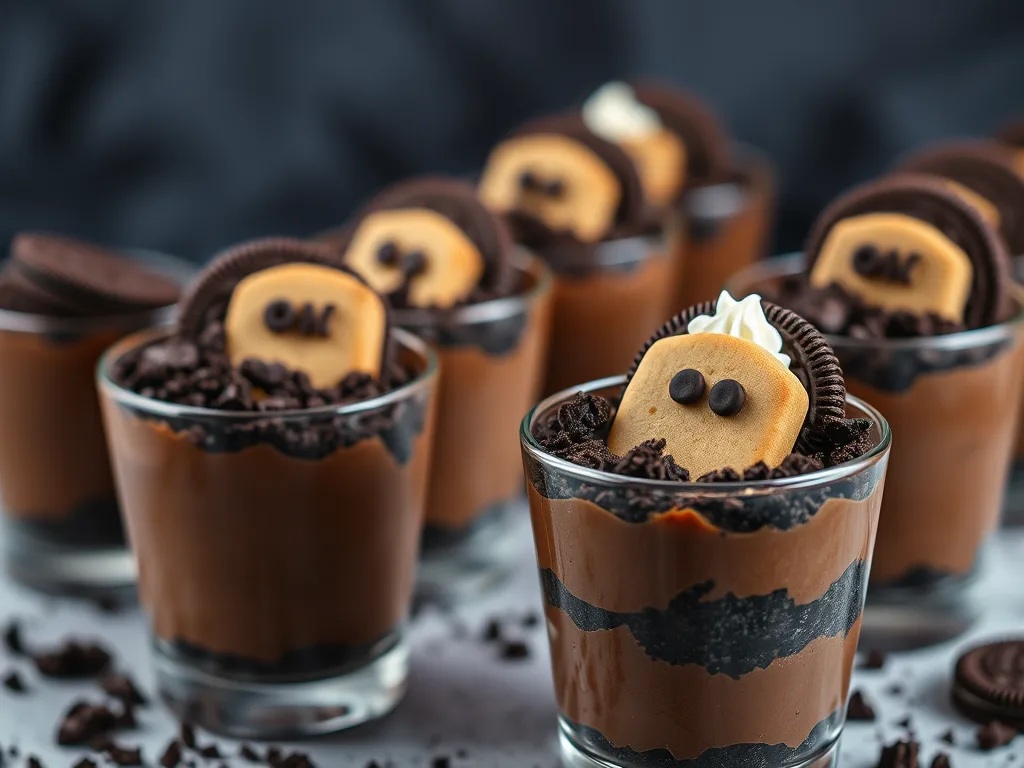
The Story Behind Chocolate Pudding Cups
Chocolate pudding occupies a uniquely sentimental place in American food memory — associated with school lunches, sick days, and the particular comfort of something sweet, soft, and requiring no effort to eat. The "pudding" in American usage refers to a creamy, starch-thickened dessert quite different from the British steamed pudding from which the name derives. American chocolate pudding as we know it was popularized in the early 20th century when cornstarch became a common kitchen ingredient and cocoa powder became widely available and affordable, allowing home cooks to make silky, stable chocolate custards without the fussiness of egg-yolk-based French crèmes.
There is something wonderfully honest about chocolate pudding. It does not try to be towering, flaky, or dramatic. It simply promises creaminess, chocolate, and comfort in a spoon. Homemade pudding also teaches one of the most useful dessert techniques: gentle thickening. You whisk, heat, wait, and watch as a thin mixture turns glossy and rich. That transformation feels almost magical, especially when you realize it does not require special equipment. The secret is patience — steady stirring, moderate heat, and giving the pudding enough time to set so it becomes smooth instead of runny.
Jell-O launched its instant pudding line in 1936, and within years the concept of "pudding cups" — individual-serving portioned desserts — had become deeply embedded in American domestic culture. Snack Pack ready-to-eat chocolate pudding cups were introduced in 1968 and became one of the defining packaged foods of the American school-lunch generation. The homemade version — still warm from the stovetop, poured into individual ramekins or cups and chilled until set — is infinitely superior and surprisingly quick. For Halloween, a layer of crushed chocolate cookies on top instantly transforms the pudding cup into an edible "dirt cup" with gummy worms or bone-shaped candies emerging from the "soil" — one of the most enduring children's Halloween food traditions of the past three decades.
For me, pudding cups are the perfect reminder that simple desserts can still feel special when you present them with a little imagination. Clear cups show off the layers, cookie crumbs create texture, and playful toppings turn a basic chocolate dessert into something party-ready. You can make them ahead, chill them until serving time, and let guests decorate their own if you want an easy activity for kids. The best part is that underneath the Halloween fun, the dessert still delivers real flavor: deep cocoa, creamy texture, and that nostalgic spoonful that tastes like childhood, only better because it came from your own kitchen.
Time and Servings
- Prep Time: 10 minutes
- Total Time: 10 minutes
- Servings: 6 servings
Nutrition (per serving)
- Calories: 250 kcal
- Protein: 5g
- Fat: 12g
- Carbohydrates: 30g
Ingredients
- 2 cups chocolate pudding
- 10 crushed Oreo cookies
- 6 rectangular cookies (for tombstones)
- Whipped cream (for decoration)
Instructions
- Layer Pudding: Spoon chocolate pudding into cups and top with crushed Oreos.
- Decorate Tombstones: Write on cookies with icing to create “tombstones” and place them into the cups.
- Serve: Add a dollop of whipped cream and serve.
Tips for Success:
- Chill the pudding completely before layering to prevent the crushed Oreos from becoming soggy too quickly.
- Use a piping bag for the whipped cream to create cleaner decorative swirls on top of each cup.
- Freeze the rectangular cookies for 10 minutes before decorating so they do not break while writing.
- Add gummy worms or chocolate sprinkles for extra Halloween texture and visual appeal.
- Store the pudding cups covered in the refrigerator for up to 3 days.
Wine, Cocktail, or Drink Pairing:
- Serve these spooky pudding cups with a sweet Ruby Port, a creamy Chocolate Martini, or an icy cookies-and-cream milkshake.