The Story Behind Mince Pies
British Mince Pies are one of the oldest Christmas foods in the English-speaking world — and they have a history that would surprise most people who eat them today. The original mince pies of medieval England contained actual meat — typically minced mutton or beef — combined with suet, dried fruits, and spices like cinnamon, cloves, and nutmeg. The mixture of savory and sweet was characteristic of medieval cuisine, influenced by spice trade routes from the Middle East. Over the centuries, the meat gradually disappeared, leaving only the suet, dried fruits, and spices — creating the sweet mincemeat we know today. That evolution is part of what makes mince pies so fascinating: they are little pastries filled with centuries of changing taste. Every bite carries a memory of older kitchens, older celebrations, and a time when spices were precious enough to make a dish feel truly festive.
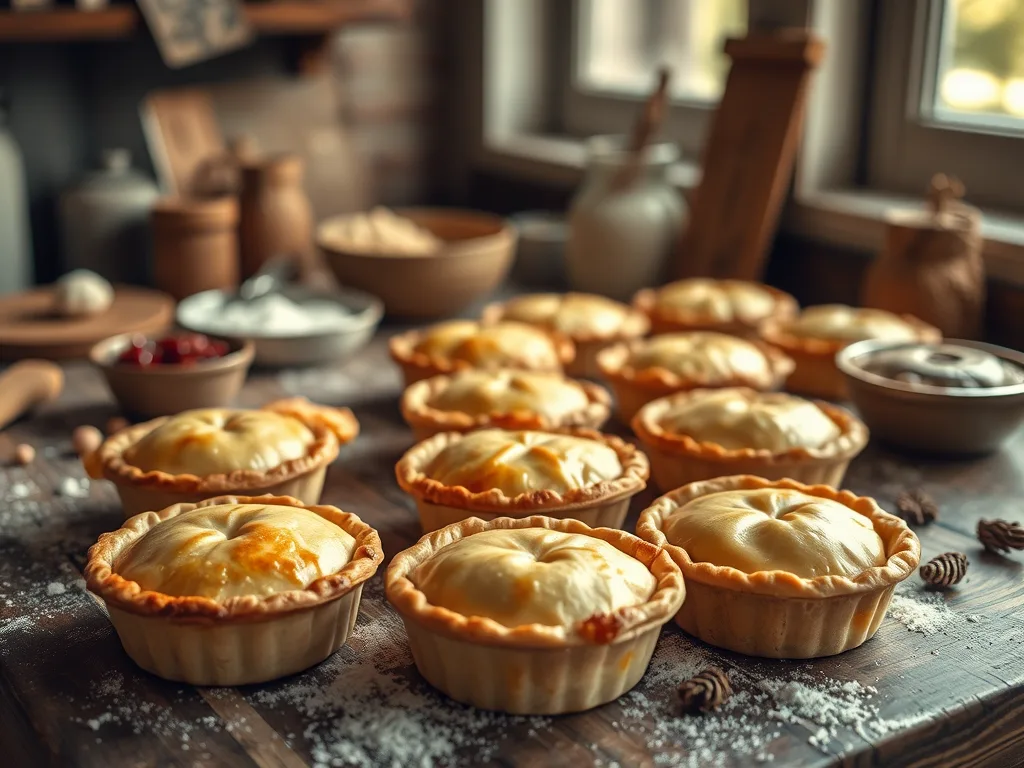
The pies were once much larger and baked in oval shapes said to represent the manger of the Nativity. By the Victorian era, they had evolved into the small, round, individually sized pastries we now eat by the dozens at Christmas. Eating a mince pie on each of the Twelve Days of Christmas was once believed to bring a month of good luck — a tradition worth reviving. I love that kind of food folklore because it gives a recipe more than flavor; it gives it personality. A good mince pie should feel rich, fragrant, and festive before you even take a bite. The filling is all about balance: sweet dried fruit, warm spice, citrus brightness, and just enough richness to make it feel luxurious. From Chef Ruben’s kitchen, I think the pastry matters just as much as the filling. It should be tender and buttery, sturdy enough to hold the mincemeat, but delicate enough to crumble slightly when you bite into it. These are the kind of treats that make the house smell like Christmas — cinnamon, nutmeg, orange peel, and baked pastry all working together. Serve them warm with a dusting of powdered sugar, a spoon of cream, or a cup of tea, and they instantly feel like a holiday tradition, even if it is your first time making them.
Mince pies also remind me how holiday recipes often survive because they become part of a ritual. The rolling of the pastry, the spooning of the fruit filling, the little lids or stars placed on top, and the first tray coming out of the oven all create anticipation. The mincemeat itself benefits from time. Dried fruits absorb citrus, spice, and sweetness, becoming plump and aromatic. Some traditional versions include brandy or rum, which adds warmth and helps preserve the filling, but even alcohol-free versions can have wonderful depth with orange zest, apple, brown sugar, and spice. The key is not to make the filling one-dimensional. It should not taste only sweet; it should taste warm, tangy, fruity, and rich. The pastry should be handled gently so it stays tender, and the pies should be baked until golden, not pale, because that browning gives flavor. I like the contrast of a buttery crust with a sticky, jewel-like center. Mince pies may be small, but they have presence. Put them on a platter and they immediately say holiday. They are perfect for guests, cookie trays, afternoon tea, or sneaking one quietly in the kitchen while everyone else is busy. That is the kind of Christmas tradition I can get behind.
Time and Servings:
- Prep Time: 30 minutes
- Cook Time: 20 minutes
- Total Time: 50 minutes
- Servings: 12 mince pies
Nutrition (per serving):
- Calories: 220 kcal
- Protein: 3g
- Fat: 12g
- Carbohydrates: 25g
Ingredients:
For the Pastry:
- 2 cups all-purpose flour
- 1/2 cup unsalted butter, cold and cubed
- 1/4 cup sugar
- 2-3 tbsp cold water
For the Filling:
- 1/2 cup mincemeat (traditional spiced fruit filling)
For Finishing:
- 1 egg, beaten (for brushing)
- Powdered sugar (for dusting, optional)
Instructions:
1. Prepare the Pastry Dough
- In a large bowl, mix the flour and sugar. Add the cold, cubed butter and rub it into the flour with your fingertips or a pastry cutter until the mixture resembles fine breadcrumbs.
- Gradually add cold water, 1 tablespoon at a time, mixing until the dough comes together. Avoid overworking the dough.
- Shape the dough into a disk, wrap it in plastic wrap, and chill for 30 minutes in the refrigerator.
2. Roll and Shape
- Preheat your oven to 375°F (190°C) and lightly grease a 12-hole muffin tin.
- Roll out the chilled dough on a floured surface to about 1/8-inch thickness. Use a round cutter slightly larger than the muffin tin holes to cut 12 circles for the bases.
- Press the circles into the muffin tin holes. Gather dough scraps, re-roll, and cut 12 slightly smaller circles for the pie lids.
3. Assemble the Mince Pies
- Spoon 1 tablespoon of mincemeat filling into each pastry base, ensuring not to overfill.
- Top each pie with a smaller pastry circle, pressing the edges gently to seal. Cut small slits in the tops for steam to escape.
4. Bake
- Brush the tops with beaten egg for a golden finish.
- Bake in the preheated oven for 20 minutes, or until the pies are golden brown.
5. Cool and Serve
- Let the pies cool in the tin for 5 minutes before transferring them to a wire rack.
- Dust with powdered sugar before serving for a festive touch.
Tips for Success:
- Chill Ingredients: Use cold butter and water for flaky pastry. Chill the dough before rolling to prevent shrinkage during baking.
- Avoid Overfilling: Too much filling can cause juices to seep and make the pastry soggy.
- Decorative Lids: Use festive cutters like stars or holly leaves to create decorative pastry tops.
- Storage: Store mince pies in an airtight container for up to 5 days or freeze for up to 1 month. Reheat gently before serving.
Wine, Cocktail, or Drink Pairing:
- Pair with a glass of mulled wine, spiced cider, or a cup of hot tea for a traditional holiday experience.