The Story Behind Rabanadas
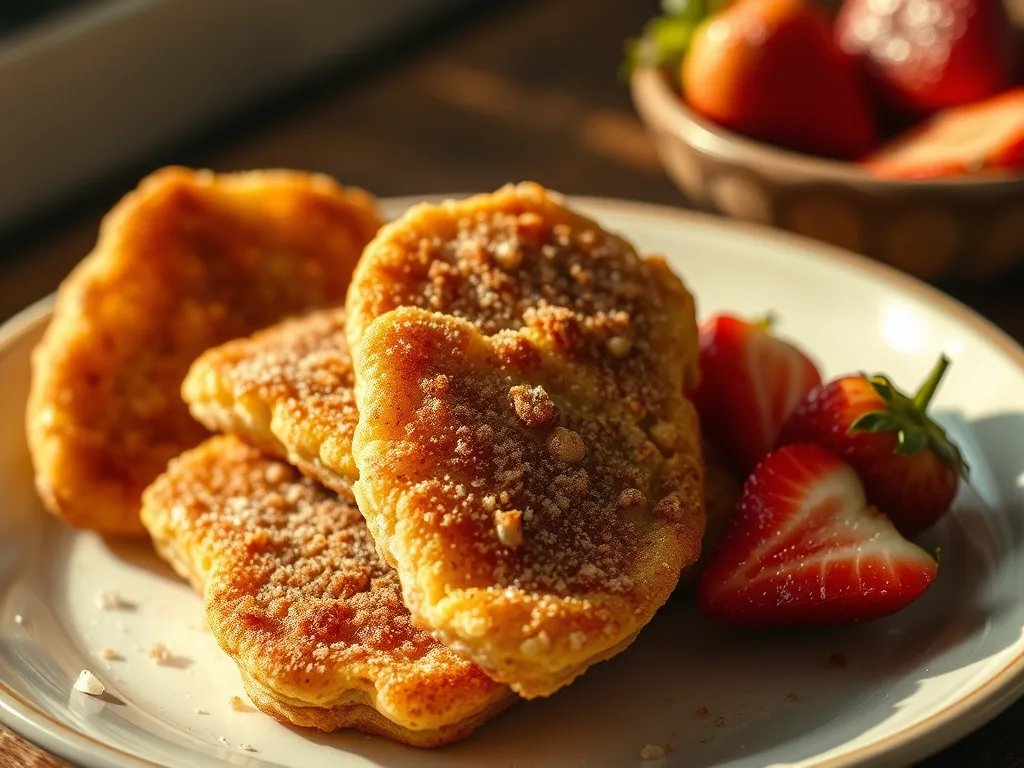
Brazilian Rabanadas are the Portuguese-Brazilian answer to French toast — thick slices of stale bread soaked in milk and eggs, fried until golden, and dusted in cinnamon sugar. But while French toast may be a breakfast staple elsewhere, in Brazil and Portugal, Rabanadas are a sacred Christmas tradition. The word "rabanada" comes from the Portuguese "rábano" in some interpretations, though others link it simply to the technique of handling and soaking the bread. However the name developed, the spirit of the dish is clear: take bread that might otherwise be wasted and turn it into something sweet, fragrant, and worthy of the holiday table. I love that kind of cooking because it feels honest. It reminds us that some of the most beloved celebration foods began with practical kitchen decisions — save the bread, stretch the ingredients, feed the family, and make it feel special.
The dish dates back to Portugal's medieval period, when stale bread was never wasted — the soaking technique was born from frugality and culinary ingenuity. Portuguese colonizers brought Rabanadas to Brazil, where the recipe took on local character: thicker bread, richer custard, more generous cinnamon, and sometimes a sweeter, more festive personality. Today, the smell of Rabanadas frying on Christmas Eve is one of the most powerful sensory memories for Brazilians and Portuguese alike — a fragrant bridge between continents and generations. I love recipes like this because they remind us that celebration food does not have to begin with expensive ingredients. Sometimes it begins with yesterday’s bread, a bowl of sweet milk, eggs, sugar, and someone willing to stand near the stove turning each slice until it is golden. The magic is in the contrast: crisp edges, tender custardy centers, and that warm cinnamon-sugar coating that clings to your fingers. From Chef Ruben’s point of view, the secret is patience. Let the bread soak long enough to absorb flavor, but not so long that it falls apart. Fry in batches so the oil temperature stays steady, then coat while the slices are still warm.
What makes Rabanadas different from everyday French toast is the way they are treated like dessert, memory, and ritual all at once. Some families serve them after Christmas dinner, some place them on the breakfast table the next morning, and some make enough for everyone to grab one every time they pass through the kitchen. The bread matters here. A sturdy loaf is best because it can absorb the milk-and-egg mixture without collapsing. Day-old bread is not just acceptable; it is preferred because its dryness allows it to drink in the custard. The cinnamon sugar should be generous, because the coating is part of the celebration. Some versions include sweetened condensed milk, citrus zest, wine, or syrup, showing how family recipes travel and adapt over time. In my kitchen, I think of Rabanadas as the kind of food that invites people closer. You smell them before you see them, and suddenly someone is asking, “Are those ready yet?” That is the power of fried holiday sweets. They create anticipation. They make the kitchen feel alive. Rabanadas taste like Christmas morning, late-night family laughter, and the kind of dessert that disappears from the platter before you realize you should have made more.
Time and Servings:
- Prep Time: 10 minutes
- Cook Time: 10 minutes
- Total Time: 20 minutes
- Servings: 6 servings
Nutrition (per serving):
- Calories: 200 kcal
- Carbohydrates: 20g
- Protein: 6g
- Fat: 8g
Ingredients:
For the Rabanadas:
- 6 slices of stale or thick bread
- 2 large eggs
- 1/2 cup whole milk
For the Coating:
- 1/4 cup granulated sugar
- 1 tsp ground cinnamon
For Frying:
- 1/4 cup vegetable oil
Instructions:
1. Prepare the Batter
- In a shallow bowl, whisk together the eggs and milk until smooth.
- In a separate plate, mix the sugar and ground cinnamon evenly. Set aside for coating.
2. Dip the Bread
- Cut the bread slices into thick pieces if needed.
- Dip each slice into the egg and milk mixture, ensuring it's evenly soaked but not overly saturated.
3. Fry the Bread
- Heat the vegetable oil in a frying pan over medium heat. Test the oil by dropping in a small piece of bread—it should sizzle immediately.
- Fry the dipped bread slices in batches, cooking for 2-3 minutes per side until golden brown. Avoid overcrowding the pan.
- Remove and place on a plate lined with paper towels to absorb excess oil.
4. Coat with Cinnamon Sugar
- While still warm, coat each fried slice generously in the cinnamon sugar mixture, ensuring all sides are covered.
5. Serve
- Arrange the rabanadas on a serving platter. Serve warm or at room temperature for a festive treat.
Tips for Success:
- Use Stale Bread: Slightly stale bread absorbs the liquid mixture better and holds its shape during frying.
- Monitor Oil Temperature: Maintain medium heat to prevent burning or excessive oil absorption.
- Condensed Milk Option: For a richer dessert, drizzle condensed milk over the rabanadas before serving.
- Make Ahead: Prepare rabanadas ahead of time and reheat in the oven at 350°F (175°C) for 5-7 minutes before serving.
Wine, Cocktail, or Drink Pairing:
- Pair with a warm cup of spiced hot chocolate, eggnog, or a glass of mulled wine for the ultimate holiday indulgence.