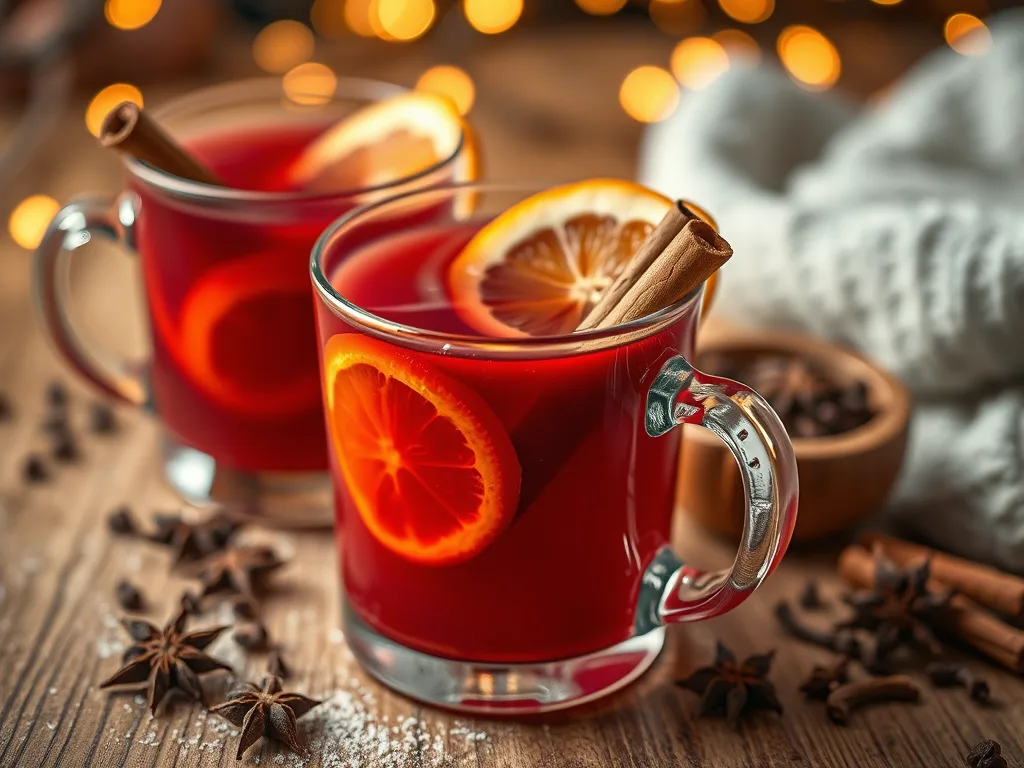
The Story Behind Glögg
Swedish Glögg is Scandinavia's answer to mulled wine — and arguably the most spirit-forward, spice-rich version of the hot spiced wine tradition that has warmed Europe through winter festivals for over a thousand years. While spiced wine traditions across Europe date to ancient Rome, the Swedish version developed its own distinct character: stronger, often made with a base of wine plus aquavit or vodka, and heavily spiced with cardamom, ginger, cloves, and cinnamon. Almonds and raisins are always placed in the bottom of the cup — a charming tradition where guests fish out these wine-soaked morsels with a spoon. That little detail makes glögg feel playful and generous, like the drink comes with its own tiny dessert hiding at the bottom.
Glögg is the centerpiece of the Swedish Advent fika, the social gathering of friends and colleagues in December that marks the beginning of the holiday season. No Swedish Christmas market is complete without a steaming cup of glögg in hand. From Chef Ruben’s kitchen, I love drinks that create a whole atmosphere, and glögg does that immediately. The first thing you notice is not the taste but the smell. Cinnamon, cloves, cardamom, ginger, citrus, wine, and sweetness fill the air, and suddenly the room feels warmer. It is the kind of drink that makes people gather near the stove, ask when it will be ready, and wrap their hands around the cup before taking the first sip.
What makes glögg special is the way it turns cold weather into an invitation. The spices fill the room before anyone takes a sip, and that aroma immediately says Christmas. Cardamom gives it a distinctly Scandinavian personality, ginger brings heat, cloves and cinnamon add depth, and citrus peel can brighten the whole pot. The drink is sweet, warm, and strong enough to make a winter evening feel a little softer. It also reflects the Scandinavian gift for turning darkness and cold into ritual. When daylight is short, food and drink become part of how people create warmth, comfort, and connection.
The technique is gentle. Glögg should be warmed, not boiled, because boiling can burn off alcohol and make the spices taste harsh. Letting the spices steep gives the wine time to become fragrant and rounded. As Chef Ruben, I love drinks that create atmosphere, and glögg does exactly that. Serve it in small cups with raisins and almonds at the bottom, and suddenly the drink becomes part beverage, part ritual. It is meant for sipping slowly, standing near a Christmas tree, talking with friends, and letting the cold stay outside where it belongs. You can adjust the sweetness depending on the wine, and you can make it lighter or stronger depending on the gathering. Some versions include port, brandy, aquavit, or vodka, while non-alcoholic versions use juice or alcohol-free wine.
Glögg is more than mulled wine with a Swedish accent. It is a holiday tradition built around hospitality. The pot can sit warm for guests, ready to serve as people arrive from the cold. The raisins and almonds make each cup feel thoughtful, and the spices make the whole house smell like December. It is festive, fragrant, and deeply comforting — a drink that turns winter into something worth celebrating.
Time and Servings:
- Prep Time: 5 minutes
- Cook Time: 10 minutes
- Total Time: 15 minutes
- Servings: 4 servings
Nutrition (per serving):
- Calories: 150 kcal
- Carbohydrates: 12g
- Sugars: 10g
Ingredients:
- 1 bottle red wine (medium-bodied, such as Merlot or Shiraz)
- 1/4 cup sugar (adjust to taste)
- 2 cinnamon sticks
- 5 whole cloves
- 5 cardamom pods, lightly crushed
- 1 orange, thinly sliced
Instructions:
1. Prepare the Glögg Base
- In a large saucepan, combine the red wine, sugar, cinnamon sticks, cloves, and crushed cardamom pods. Stir gently to dissolve the sugar.
2. Add Citrus Flavor
- Add the orange slices to the saucepan, ensuring they are fully submerged in the wine mixture.
3. Simmer the Glögg
- Place the saucepan over low heat and warm gently for about 10 minutes. Do not let the mixture boil, as boiling can cause the alcohol to evaporate and alter the flavor.
4. Strain and Serve
- Remove the saucepan from heat and strain the glögg through a fine mesh sieve into a heatproof pitcher or directly into mugs.
5. Garnish and Enjoy
- Serve warm in heatproof glasses or mugs. Optionally, garnish with a cinnamon stick or a twist of orange peel for an elegant presentation.
Tips for Success:
- Choose the Right Wine: Opt for a medium-bodied red wine with fruity undertones, such as Merlot, Zinfandel, or Shiraz. Avoid overly tannic or heavily oaked wines.
- Adjust Sweetness: Taste the glögg as it simmers and adjust the sugar to your preference. For a richer flavor, use brown sugar or honey instead of white sugar.
- Enhance the Aromatics: Allow the spices to infuse for an additional 5-10 minutes off the heat for a bolder flavor before straining.
- Non-Alcoholic Option: Substitute the red wine with grape juice or cranberry juice to make a family-friendly version.
Pairing Suggestions:
- Serve Swedish glögg with traditional pepparkakor (ginger cookies), almond biscotti, or Swedish saffron buns (Lussekatter) for an authentic holiday experience.