The Story Behind Spiced Mulled Wine a Cozy Christmas Drink
Mulled wine is one of the oldest surviving Christmas traditions in Europe, with a history stretching back to ancient Rome. The Romans heated wine with spices to both warm themselves in cold climates and to preserve wine that had begun to turn. As the Roman Empire expanded into Northern Europe, the tradition of conditum paradoxum — spiced wine — traveled with it. What began as a practical way to improve and preserve wine became something much more emotional over time. In cold climates, a warm cup of spiced wine was not just a drink; it was comfort, medicine, hospitality, and celebration in one vessel. That is why the tradition survived for so many centuries.
By the Middle Ages, spiced wine had become a staple of European winter celebrations, believed to have medicinal properties against the cold. The Elizabethan hippocras was a famous mulled wine sweetened with honey and spiced with ginger and cinnamon. Today, the scent of mulled wine — cinnamon, cloves, orange peel wafting over a heated pot — is perhaps the single most evocative aroma of Christmas anywhere in the Western world. From Chef Ruben’s kitchen, I love recipes that change the mood of the room before they are even served. Mulled wine does that. Put a pot on the stove, and suddenly the house feels decorated, even if you have not hung a single ornament.
What I love about mulled wine is that it is as much about the atmosphere as the drink itself. A pot simmering gently on the stove makes the whole house smell like the holidays. Red wine brings body, citrus adds brightness, spices bring warmth, and a little sweetener smooths the edges. It is simple, but it feels special because it asks everyone to slow down and gather. It belongs to Christmas markets, snowy evenings, holiday parties, and quiet nights when the tree lights are on and the world feels a little softer. You do not drink mulled wine in a hurry. You sip it, hold it, and let the warmth do its work.
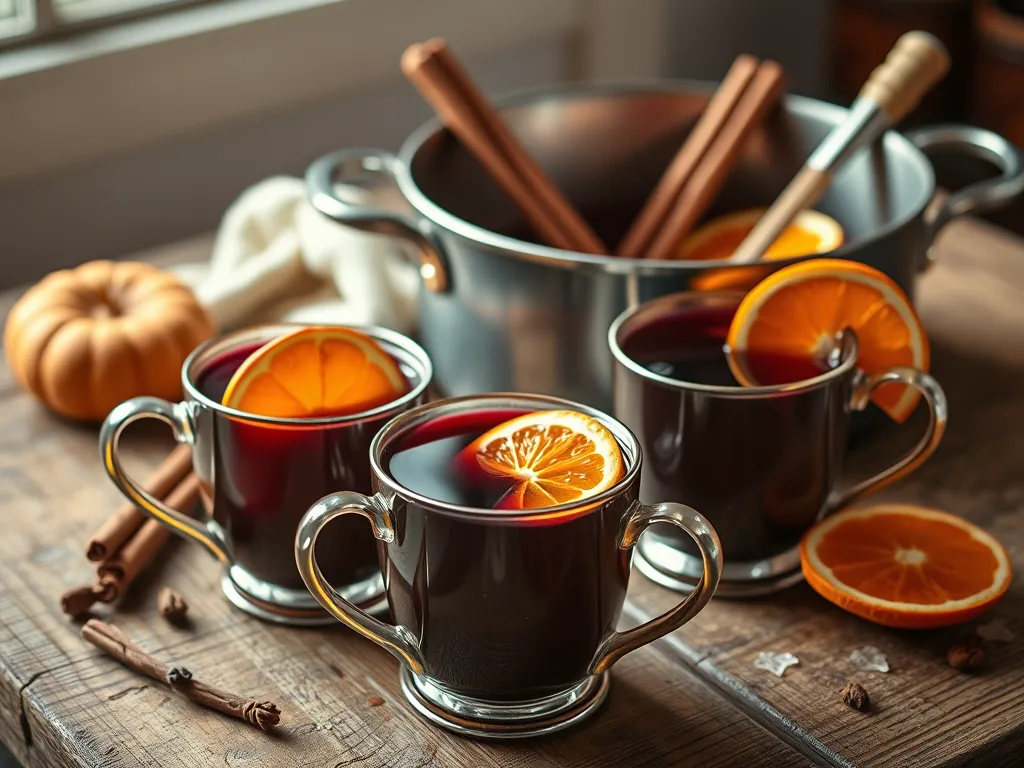
The key is not to boil it. Mulled wine should be warmed gently so the alcohol does not burn off too aggressively and the spices do not become bitter. Cinnamon sticks, cloves, star anise, orange peel, and sometimes brandy or apple cider can all add personality. As Chef Ruben, I think this is one of the easiest ways to make a Christmas gathering feel cozy. Serve it in mugs, garnish with orange slices, and let people wrap their hands around the warmth. It is old-world comfort, holiday fragrance, and winter hospitality in one cup. The wine does not have to be expensive, but it should be drinkable. A dry red works well because the sweetener and fruit will round it out. Honey, sugar, maple syrup, or brown sugar can all be used depending on the flavor you want.
Mulled wine is also wonderfully adaptable. Add cranberries for color, apple slices for sweetness, or a splash of orange liqueur for extra depth. Make it lighter with more citrus, richer with brandy, or alcohol-free with grape juice and cider. The spirit of the drink remains the same: warmth shared with others. That is why mulled wine has lasted from Roman roads to medieval halls to modern Christmas kitchens. It is simple, fragrant, and timeless — a pot of holiday comfort meant to be shared.
Time and Servings:
- Prep Time: 5 minutes
- Cook Time: 15 minutes
- Total Time: 20 minutes
- Servings: 4 servings
Nutrition (per serving):
- Calories: 150 kcal
- Protein: 1g
- Fat: 0g
- Carbohydrates: 14g
Ingredients:
- 1 bottle (750 ml) red wine (Merlot, Cabernet Sauvignon, or Zinfandel recommended)
- 1 orange, thinly sliced (plus extra slices for garnish)
- 2 cinnamon sticks
- 4 whole cloves
- 1/4 cup honey (adjust to taste; maple syrup can be substituted)
Instructions:
Combine Ingredients:
- In a medium saucepan, pour the red wine and add the orange slices, cinnamon sticks, cloves, and honey. Stir gently to combine and distribute the flavors evenly.
Heat the Mixture:
- Place the saucepan over low heat. Warm the wine mixture gently, stirring occasionally, for about 15 minutes.
- Important: Do not let the wine boil, as this will evaporate the alcohol and alter the taste.
Taste and Adjust:
- After 10 minutes of heating, taste the mulled wine. Adjust the sweetness by adding more honey, or add additional spices like star anise or nutmeg for extra warmth.
Strain and Serve:
- Using a fine mesh strainer, remove the spices and orange slices as you pour the mulled wine into mugs or heatproof glasses.
Garnish:
- Garnish each mug with a fresh orange slice or a cinnamon stick for a festive touch. Serve immediately.
Tips for Success:
- Wine Choice: Use a medium-bodied red wine with fruity notes, such as Merlot or Zinfandel. Avoid wines that are overly tannic or acidic.
- Spice Variations: Customize the flavor by adding star anise, cardamom pods, or a splash of brandy for depth.
- Make Ahead: Prepare the mulled wine in advance and reheat gently before serving. This allows the flavors to meld beautifully.
- Storage: Store leftovers in a sealed container in the refrigerator for up to 2 days. Reheat gently before serving.
Wine, Cocktail, or Drink Pairing:
- Pair this mulled wine with a plate of Christmas cookies or cheese and charcuterie boards to complement the warm and spiced flavors.