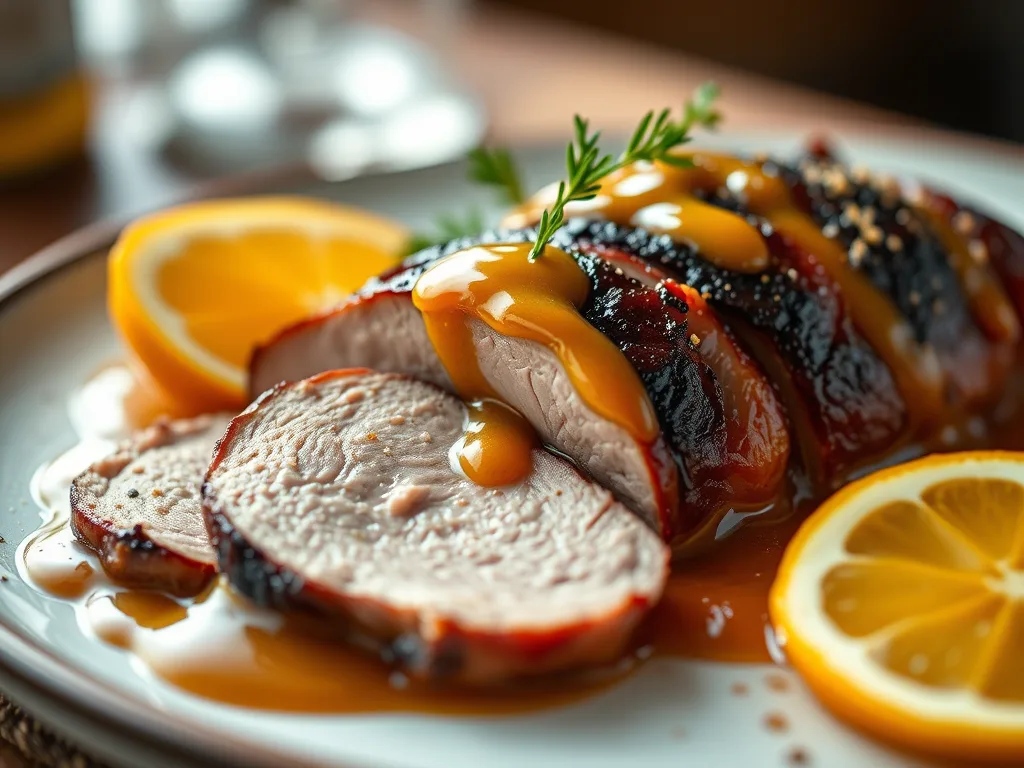
The Story Behind Roasted Duck Breast with Orange Grand Marnier Sauce
Roasted Duck Breast with Orange Sauce — Canard à l'Orange in French — is one of the signature dishes of classical French cuisine, a preparation with origins that are as debated as they are delicious. Some culinary historians trace it to the Florentine cooks who accompanied Catherine de Medici when she married Henri II of France in 1533, bringing sophisticated Italian Renaissance cuisine to the French court. Others place its development in the 17th and 18th centuries as French cuisine developed its system of classical sauces. However it began, the dish became a symbol of French balance: richness controlled by acidity, sweetness sharpened by bitterness, and a simple piece of poultry transformed through technique. Duck is naturally luxurious, and orange gives it the brightness it needs.
The combination of duck — a rich, fatty bird — with the sweet-acid brightness of orange is a perfect example of French balance: the citrus cuts through the fat while the sauce's reduction creates a glossy, intensely flavored complement to the crispy-skinned meat. Grand Marnier, the Cognac-based orange liqueur created in 1880, adds a sophisticated warmth that elevates the sauce beyond simple fruit juice. The duck breast preparation — seared skin-side down to render the fat, then finished in the oven — is a technique that transforms what is arguably the most flavorful domestic fowl into something extraordinary. From Chef Ruben’s kitchen, I love this dish because it feels restaurant-level but is very learnable once you understand the method. The secret is not rushing the skin.
Duck breast has a thick layer of fat beneath the skin, and that fat needs time to render. Starting in a cool or moderately warm pan, skin-side down, allows the fat to melt slowly while the skin becomes crisp and golden. If the heat is too high at the beginning, the skin can brown before enough fat renders, leaving it chewy. Scoring the skin helps the fat escape, but the cuts should not go too deep into the meat. Once the skin is crisp, the breast can be flipped briefly and finished gently. Resting is essential because duck breast is best served rosy and juicy, not overcooked and dry. The sauce brings the drama. Orange juice, zest, stock, vinegar, sugar, and Grand Marnier can be reduced into something glossy and fragrant. A little bitterness from the zest or caramelized sugar keeps the sauce from tasting like candy.
This dish belongs to the French tradition of making sauces that do more than decorate. The sauce completes the meat. It cuts through richness, adds aroma, and gives the plate elegance. Serve duck breast with potatoes, roasted vegetables, wild rice, or a simple green vegetable, and it becomes a complete special-occasion meal. I also appreciate how timeless the orange-duck pairing feels. Citrus and poultry appear in many cuisines, but the French version turns the idea into refinement. Roasted duck breast with Grand Marnier sauce is romantic, festive, and bold without being heavy. It is the kind of dish that teaches a cook confidence: render patiently, reduce carefully, slice beautifully, and let the flavors speak.
Time and Servings:
- Prep Time: 10 minutes
- Cook Time: 20 minutes
- Total Time: 30 minutes
- Servings: 4 servings
Nutrition (per serving):
- Calories: 450 kcal
- Protein: 28g
- Fat: 32g
- Carbohydrates: 10g
- Fiber: 0g
- Sugar: 8g
- Sodium: 360mg
Ingredients:
For the Duck Breast:
- 4 duck breasts
- Salt and pepper, to taste
For the Orange Grand Marnier Sauce:
- 1/2 cup orange juice
- 1/4 cup Grand Marnier
- 1 tbsp honey
- 1 tsp cornstarch (optional, for thickening)
- 1 tbsp butter
Instructions:
- Prepare the Duck Breast:
- Score the duck skin in a crisscross pattern, being careful not to cut into the meat. This helps render the fat and creates crispy skin.
- Season both sides with salt and pepper.
- Sear the Duck Breast:
- Heat a dry skillet over medium heat (no oil needed due to the duck's fat content).
- Place the duck breasts skin-side down and cook for 8-10 minutes, occasionally pressing lightly to ensure even contact with the skillet.
- Flip the duck and cook for another 4-5 minutes until the internal temperature reaches 130°F (54°C) for medium-rare.
- Remove the duck breasts from the skillet and let them rest for 5 minutes.
- Make the Orange Grand Marnier Sauce:
- In the same skillet, drain excess fat, leaving about 1 tablespoon.
- Add orange juice, Grand Marnier, and honey. Stir and simmer over medium heat for 5 minutes until the sauce reduces slightly.
- If desired, mix cornstarch with 2 teaspoons of water and stir it into the sauce to thicken.
- Whisk in butter for a glossy finish.
- Serve:
- Slice the duck breasts into thin strips. Arrange on plates and drizzle generously with the Orange Grand Marnier Sauce.
Tips for Success:
- Rendering Fat: Start with a cold skillet for perfectly rendered duck fat and crispy skin.
- Resting is Key: Rest the duck to retain its juices before slicing.
- Customize the Sauce: Adjust sweetness by adding more or less honey based on your preference.
Wine, Cocktail, or Drink Pairing:
- Wine Pairing: A full-bodied Pinot Noir complements the richness of the duck and the citrusy notes of the sauce.
- Cocktail Pairing: Try a Grand Marnier Margarita for a citrus-forward cocktail.
- Non-Alcoholic Option: A sparkling blood orange soda pairs beautifully with this dish.
Enjoy this elegant dish for your next special dinner or holiday gathering!