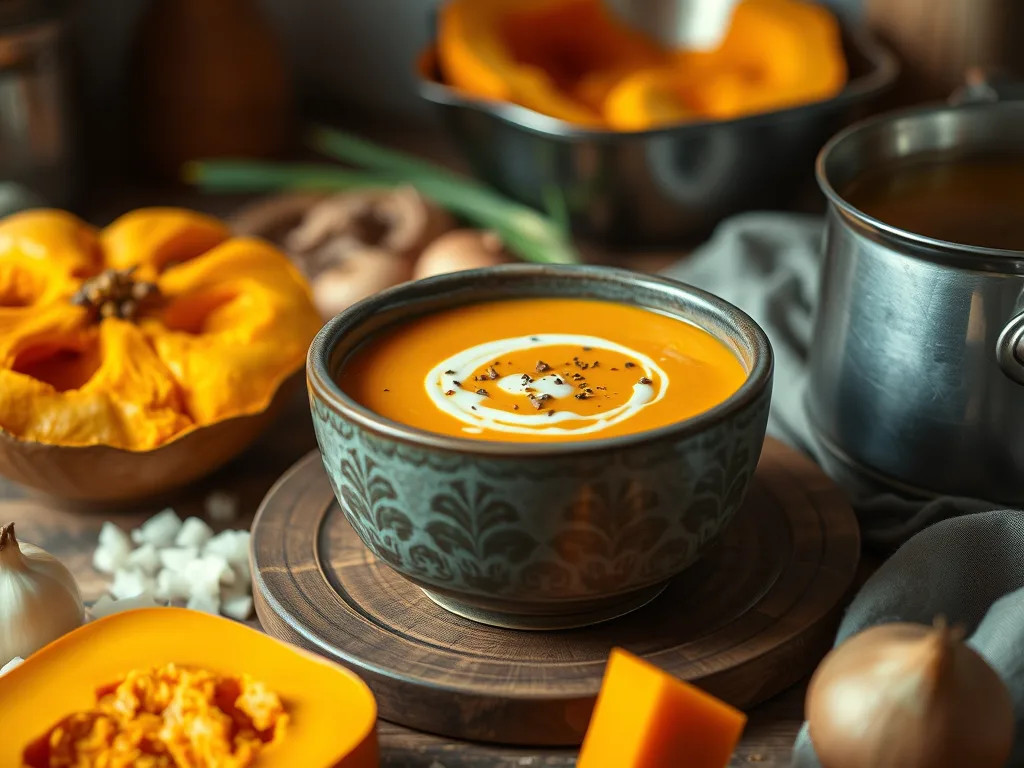
The Story Behind Roasted Butternut Squash Soup
Roasted Butternut Squash Soup is one of winter's most comforting dishes, and the squash at its heart carries a history stretching back thousands of years. Squash, part of the Cucurbita family, was one of the first plants domesticated in the Americas, with evidence of cultivation going back over 8,000 years. It was one of the "Three Sisters," the trio of corn, beans, and squash that formed the agricultural backbone of many Native American cultures. Corn gave structure, beans added nitrogen to the soil, and squash spread along the ground, helping protect moisture and discourage weeds. That history gives this soup deeper roots than people may realize.
Butternut squash itself is a more modern variety, but it carries the same old wisdom: a sturdy winter vegetable that stores well, cooks beautifully, and brings natural sweetness to cold-weather meals. Its dense orange flesh is rich, earthy, and perfect for soup because it blends into a velvety texture without needing much cream. That makes it ideal for holiday cooking, where you want something elegant but not too heavy before the main course. A good Christmas starter should wake up the appetite, not exhaust it, and butternut squash soup does exactly that.
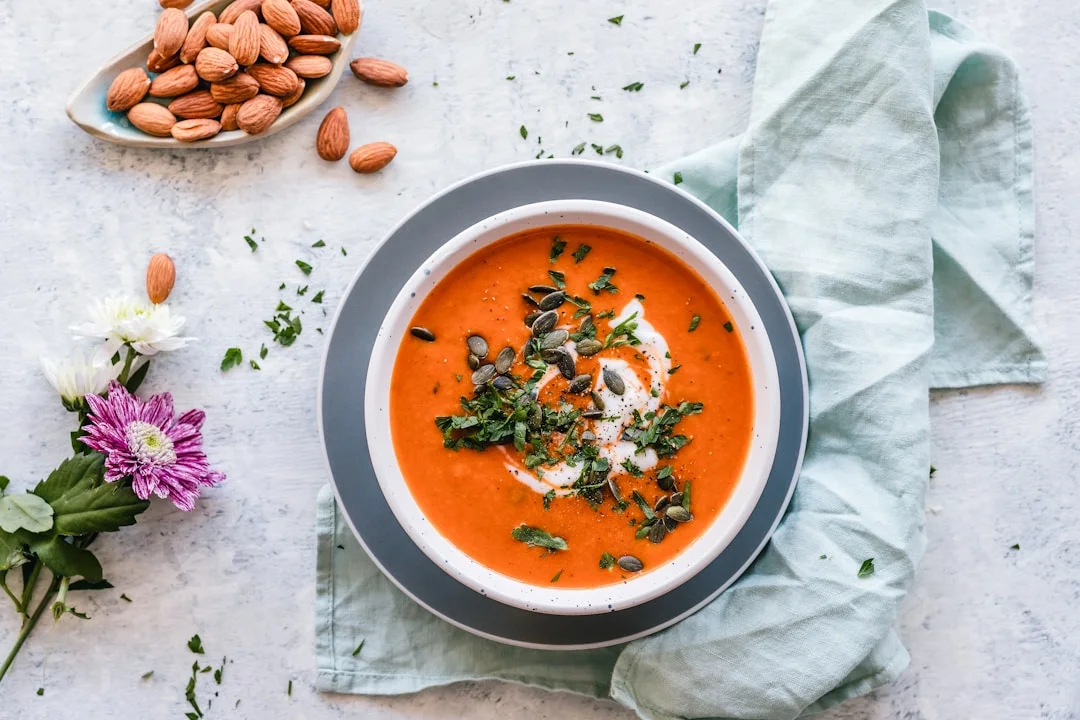
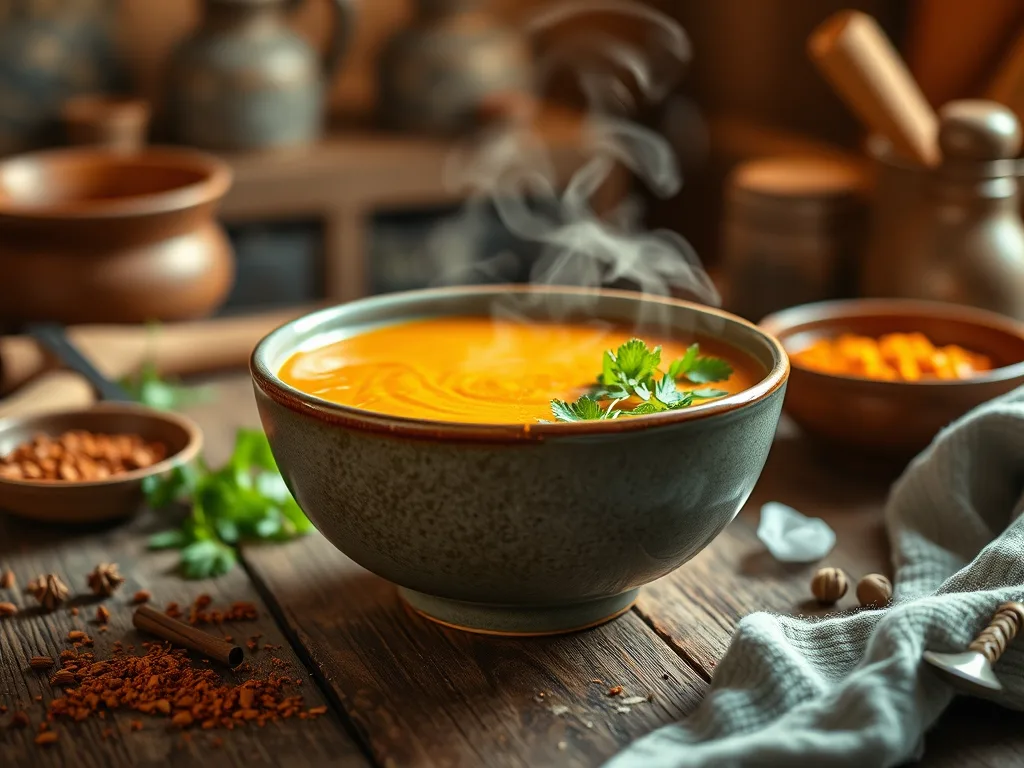
As Chef Ruben, I love this soup because it feels like warmth in a bowl. The color alone makes the table feel more welcoming. That deep golden-orange shade looks festive, especially against white bowls, fresh herbs, cream swirls, toasted seeds, or a little cracked pepper. Before anyone even tastes it, the soup already says comfort. During Christmas, when the meal may include rich meats, buttery sides, breads, desserts, and drinks, starting with something smooth and seasonal sets the tone beautifully.
Roasting the squash is the key to this soup's depth. You can simmer butternut squash and make a decent soup, but roasting changes everything. High dry heat caramelizes the natural sugars in the squash, bringing out nutty, sweet, and savory notes that boiling alone cannot create. The edges darken, the flesh softens, and the flavor concentrates. When that roasted squash is blended with aromatics and broth, the soup tastes like it has been cared for. That extra step is worth it every single time.
The aromatics build the foundation. Onion, garlic, carrot, celery, or shallot can all help deepen the flavor. Some versions lean classic with thyme and sage. Others go warmer with cinnamon, nutmeg, ginger, or curry powder. A little cayenne can add gentle heat. Coconut milk can make the soup dairy-free and slightly tropical, while cream gives a more traditional richness. Brown butter can add a nutty finish that works beautifully with the roasted squash. This flexibility is one of the reasons butternut squash soup belongs on so many holiday menus.
Texture is just as important as flavor. A great butternut squash soup should be smooth, but not gluey. The squash needs enough broth to blend easily, and the final consistency should feel velvety on the spoon. If it is too thick, it can become heavy before the main course. If it is too thin, it loses that comforting body. The goal is balance: rich enough to feel luxurious, light enough to invite the rest of the meal.
Garnishes can turn a simple soup into a beautiful starter. Toasted pumpkin seeds add crunch. Croutons bring texture. A swirl of cream or coconut milk creates visual drama. Fresh herbs add color and freshness. A drizzle of chili oil or maple brown butter can push the flavor in a bolder direction. For Christmas, I like garnishes that make the bowl feel intentional without complicating service. The soup should still be comforting, not fussy.
This recipe also reminds me of how winter cooking has always depended on storage vegetables. Before modern grocery stores, foods like squash, potatoes, onions, carrots, and root vegetables helped families get through cold months. Butternut squash stores well because of its thick skin, and that practicality is part of its charm. It is a humble ingredient that becomes elegant through roasting, seasoning, and blending. That transformation is one of my favorite things about cooking.
For a holiday meal, timing matters, and soup can be a cook's best friend. Roasted butternut squash soup can be made ahead, refrigerated, and gently reheated before serving. In fact, the flavors often improve after resting. That makes it perfect for Christmas, when oven space and attention are both in high demand. You can prepare the soup earlier, then focus on the main dishes while knowing the starter is ready.
Roasted Butternut Squash Soup is warm, colorful, smooth, and festive. It carries ancient agricultural history, winter practicality, and modern holiday elegance in one bowl. It reminds us that a Christmas meal does not have to begin with something complicated to feel special. Sometimes the best beginning is a roasted vegetable, a little patience, and a blender full of golden comfort. As Chef Ruben, I think that is exactly the kind of welcome a holiday table deserves.
Time and Servings:
- Prep Time: 10 minutes
- Cook Time: 40 minutes
- Total Time: 50 minutes
- Servings: 4 servings
Nutrition (per serving):
- Calories: 200 kcal
- Protein: 3g
- Fat: 8g
- Carbohydrates: 28g
Ingredients:
- 1 medium butternut squash (about 2 lbs), peeled, seeded, and cubed
- 1 medium onion, chopped
- 2 cups vegetable broth
- 1/2 cup heavy cream (optional for creaminess)
- 2 tbsp olive oil
- Salt and pepper, to taste
- Optional Garnish:
- Chopped fresh parsley
- Roasted pumpkin seeds
- A drizzle of cream
Instructions:
Preheat the Oven:
- Preheat your oven to 400°F (200°C).
- Line a baking sheet with parchment paper or lightly grease it with olive oil.
Roast the Butternut Squash:
- Spread the cubed butternut squash evenly on the prepared baking sheet.
- Drizzle with 1 tablespoon of olive oil and season lightly with salt and pepper. Toss to coat evenly.
- Roast in the oven for 25-30 minutes, or until the squash is tender and slightly caramelized at the edges.
Prepare the Soup Base:
- In a large pot, heat the remaining 1 tablespoon of olive oil over medium heat.
- Add the chopped onion and sauté until softened and translucent, about 5 minutes.
Combine Ingredients and Simmer:
- Add the roasted squash to the pot with the onions.
- Pour in the vegetable broth and bring the mixture to a gentle simmer. Cover and cook for 10 minutes to allow the flavors to meld.
Blend the Soup:
- Remove the pot from heat and let it cool slightly. Use an immersion blender to puree the soup until smooth and creamy.
- Alternatively, transfer the mixture to a countertop blender in batches, blending until smooth.
Add Cream and Season:
- Stir in the cream for added richness (optional).
- Adjust seasoning with salt and pepper to taste. Reheat gently if needed, but do not let the soup boil.
Serve and Garnish:
- Ladle the soup into bowls and garnish with your choice of parsley, roasted pumpkin seeds, or a drizzle of cream.
- Serve warm with crusty bread or crackers.
Tips for Success
- Roast Well: Ensure squash cubes are spread in a single layer and roasted until deeply caramelized for maximum flavor depth in your soup.
- Smooth Puree: For a silky-smooth soup, blend thoroughly using an immersion blender or carefully in batches with a regular blender until no lumps remain.
- Dairy Options: If omitting heavy cream, a splash of coconut milk or a tablespoon of cashew cream can provide similar richness and velvety texture.
- Season Wisely: Adjust salt and pepper after blending, tasting carefully to ensure the flavors are balanced and bright before serving.
- Store Leftovers: Refrigerate leftover soup in an airtight container for up to 3-4 days, or freeze portions for convenient future meals.
Wine, Cocktail, or Drink Pairing:
- Pair this soup with a glass of dry white wine like Sauvignon Blanc, or enjoy with a warm mulled cider for a festive touch.