The Story Behind Alcapurrias
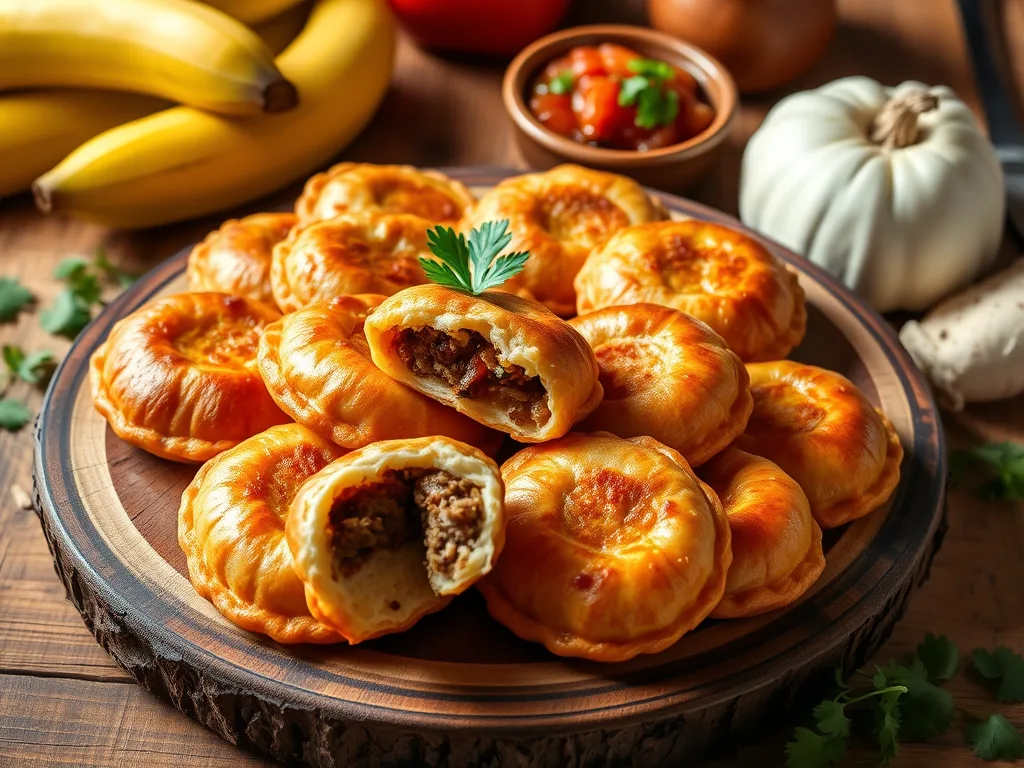
Alcapurrias are one of Puerto Rico's most beloved street foods — torpedo-shaped fritters made from a masa of grated green plantain and yautía, or taro root, filled with savory picadillo or crab meat. Sold from kioskos and frituras stands along beaches and roadside stalls, they are as much a part of the island's landscape as the palm trees themselves. A hot alcapurria fresh from the fryer is a complete experience: crisp outside, tender and earthy inside, with a seasoned filling that hits you with sofrito, garlic, peppers, and island flavor. This is food you eat with your hands, usually wrapped in paper, often near the beach, and always with the understanding that one may not be enough. It is the kind of snack that turns into a memory because it comes with sound, smell, heat, and place.
The roots of alcapurrias trace back to West Africa, where the tradition of wrapping seasoned meat in starchy dough was common practice. Enslaved Africans brought these culinary techniques to Puerto Rico, where they blended seamlessly with indigenous Taíno ingredients like yautía and green plantains. Over centuries, alcapurrias became deeply embedded in Puerto Rican food culture, evolving into the crispy, flavor-packed fritters known today. From Chef Ruben’s kitchen, I see alcapurrias as one of the clearest examples of Puerto Rico’s layered culinary identity. The masa speaks to the land and its root vegetables. The frying technique carries African influence. The picadillo reflects Spanish and Caribbean seasoning traditions. Together they become something unmistakably Puerto Rican. That is what makes our food so powerful: it carries many histories, but the final flavor is completely our own.
In Puerto Rico, biting into a hot alcapurria fresh from the fryer is practically a rite of passage. Whether enjoyed at a beach kiosk in Piñones — famous across the island for its frituras — or made at home for a family gathering, alcapurrias represent the soul of Puerto Rican street food culture. Their irresistible combination of crispy exterior and savory, spiced filling has made them a timeless favorite. The technique takes work, and that work is part of why they are so respected. Green plantains and yautía are grated into a masa that must be seasoned well and handled carefully. The filling should be flavorful but not too wet, or it can leak through the masa. Shaping the alcapurrias takes practice: a little masa flattened in the hand or on parchment, filling in the center, then folded and sealed into that classic elongated shape. The oil must be hot enough to crisp the outside but not so hot that the inside stays raw.
Some people love beef alcapurrias, others prefer crab, jueyes, or seafood versions. Each has its own personality. I like serving them with hot sauce, mayo-ketchup, or just as they are, because a good alcapurria does not need much. It already carries salt, crunch, spice, and history. This is not delicate food, but it is deeply meaningful food. Alcapurrias taste like Puerto Rican creativity, resilience, and joy — a street food masterpiece born from culture, memory, and the fryer’s golden magic. They also teach patience in a very real way. Grating the masa, seasoning it, preparing the filling, shaping each piece, and frying in batches is not instant cooking. It is a process. But when that first alcapurria comes out crisp and hot, the work makes sense.
As Chef Ruben, I think alcapurrias belong in the category of foods that carry pride. They are humble enough to be sold from a roadside stand, but complex enough to represent an entire cultural story. They are beach food, party food, family food, and heritage food all at once. One bite gives you crunch, earthiness, spice, and nostalgia. That is why they remain beloved across generations.
Time and Servings:
Prep Time: 20 minutes
Cook Time: 20 minutes
Total Time: 40 minutes
Servings: 4 servings
Nutrition (per serving):
Calories: 320 kcal
Protein: 12g
Fat: 15g
Carbohydrates: 35g
Fiber: 4g
Sugar: 3g
Sodium: 350mg
Ingredients:
- For the Dough:
- 2 green plantains, grated
- 1 cup yautía (taro), grated
- 1/2 tsp salt
- For the Filling:
- 1/2 lb ground beef
- 1/4 cup sofrito
- Salt and pepper, to taste
- For Frying:
- Vegetable oil
Instructions:
- Prepare Dough:
- Peel and grate the plantains and yautía. Combine in a large bowl with salt and mix until a smooth dough forms. Set aside.
- Cook Beef Filling:
- In a skillet, heat a small amount of oil and sauté the sofrito until fragrant, about 2 minutes.
- Add the ground beef, breaking it apart as it cooks. Season with salt and pepper and cook until browned. Drain any excess grease and let cool.
- Assemble Alcapurrias:
- Take a small handful of the dough and flatten it in the palm of your hand. Add a spoonful of beef filling to the center and carefully fold the dough around it to seal, shaping into an oval or cylinder.
- Fry to Perfection:
- Heat vegetable oil in a deep frying pan over medium-high heat. Fry the alcapurrias in batches for 3-5 minutes each, turning occasionally, until golden and crispy.
- Serve:
- Place the fried alcapurrias on paper towels to drain excess oil. Serve warm as a side dish or appetizer.
Tips for Success:
- Uniform Grating: Use a box grater or food processor to ensure the plantains and yautía are evenly grated for a smooth dough.
- Cool the Filling: Allow the beef filling to cool slightly before assembling to make sealing easier.
- Test the Oil: Drop a small piece of dough into the oil; it should sizzle immediately. If it browns too quickly, reduce the heat.
- Fry in Small Batches: Overcrowding the pan lowers the oil temperature, which can make the fritters soggy.
Wine, Cocktail, Drink Pairing:
Pair these savory alcapurrias with a chilled Pale Lager or a tropical Piña Colada for a refreshing contrast to the rich flavors. Non-alcoholic options like Tamarind Juice or Sparkling Water with Lime also work beautifully.