The Story Behind Tacu Tacu Rice and Bean Pancake
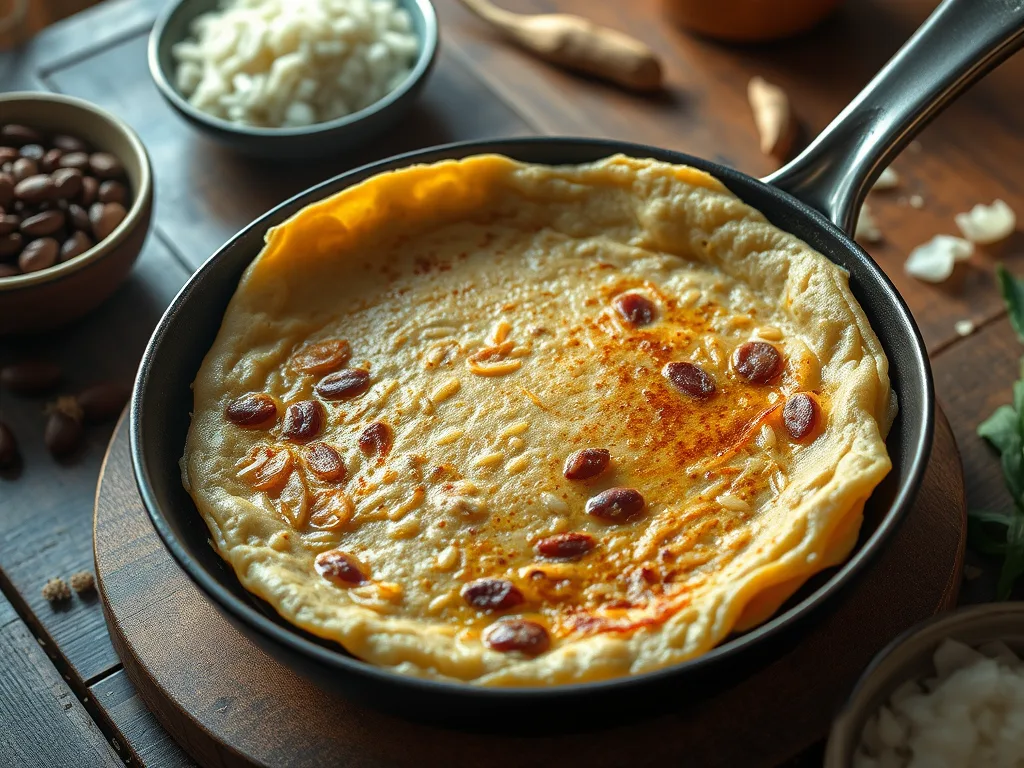
Peruvian Tacu-Tacu is a dish born from ingenuity and necessity — a testament to the creativity of Afro-Peruvian cooks who transformed leftover rice and beans into something extraordinary. The dish's origins trace back to the enslaved African population brought to Peru during the colonial era, who developed comida criolla, or Creole cooking, from the ingredients available to them. The name "tacu-tacu" is believed to come from a Quechua term meaning mashed together, and that's precisely what it is: day-old rice and beans combined, seasoned, and pan-fried into a crispy, golden patty with a creamy interior. It is the kind of dish that proves leftovers are not a limitation. In the right hands, they are the beginning of something even better than the original meal.
Traditionally served with saltado beef, fried eggs, or camarones, Tacu-Tacu became a staple of Lima's Creole cuisine and is now recognized as a cornerstone of Afro-Peruvian cultural heritage. It is one of those dishes that proves the best food often comes from making the most of what you have. From Chef Ruben’s kitchen, I love this kind of recipe because it carries both survival and creativity. Rice and beans are humble, but when seasoned, shaped, and fried correctly, they become crisp, savory, and deeply satisfying. That contrast between the crunchy exterior and soft, creamy middle is what makes tacu-tacu special. It is not just rice and beans reheated. It is rice and beans transformed.
The technique depends on using rice and beans that have had time to cool and firm up. Freshly cooked rice can be too moist, while day-old rice gives better texture. The beans should be soft enough to mash slightly, helping bind the mixture, but not so wet that the pancake falls apart. Aromatics like onion, garlic, ají amarillo, cumin, or cilantro can add depth. Once the mixture hits the pan, patience matters. Let it form a crust before trying to move it. That golden crust is the whole point. Too much stirring turns it into hash; steady contact with the hot pan creates the signature shape and texture. Some cooks form one large oval, while others make smaller patties for easier flipping.
Tacu-tacu also represents the layered identity of Peruvian food. Indigenous ingredients, African technique, Spanish colonial influence, and later Chinese-Peruvian additions all shaped the country’s cuisine. The dish can be served simply with a fried egg and salsa criolla, or dressed up with steak, seafood, plantains, or rich sauces. It is equally at home as breakfast, lunch, dinner, or a restaurant plate. I especially love it with a runny egg because the yolk becomes a sauce, soaking into the crispy rice and beans. A little lime or onion relish brightens the richness. This is comfort food with history behind it — practical, filling, flavorful, and proud. Tacu-tacu reminds me that some of the world’s greatest dishes are born when cooks refuse to waste food and instead ask, “How can I make this delicious tomorrow?”
Time and Servings
- Prep Time: 10 minutes
- Cook Time: 15 minutes
- Total Time: 25 minutes
- Servings: 4 servings
Nutrition (per serving)
- Calories: 300 kcal
- Fat: 10g
- Carbohydrates: 40g
- Protein: 10g
Ingredients
- 2 cups cooked rice (day-old rice works best)
- 1 cup cooked beans (black or white, mashed slightly)
- 1 medium onion, finely chopped
- 2 cloves garlic, minced
- 2 tbsp vegetable oil
- Salt and pepper, to taste
- Optional Garnish: Chopped parsley, sliced avocado, or lime wedges
- Optional Accompaniments: Fried eggs, steak, or plantains
Instructions
1. Prepare the Aromatics
- Heat 1 tablespoon of vegetable oil in a large skillet over medium heat.
- Add the chopped onion and sauté for 3-4 minutes until translucent.
- Stir in the minced garlic and cook for an additional 1 minute until fragrant.
2. Combine Rice and Beans
- In a large mixing bowl, combine the sautéed onions and garlic with the cooked rice and beans.
- Mash the mixture lightly with a spoon or fork, leaving some beans intact for texture.
- Season generously with salt and pepper to taste.
3. Form the Pancake
- Heat the remaining 1 tablespoon of vegetable oil in the same skillet over medium heat.
- Divide the rice and bean mixture into 2-4 portions, depending on desired size, and shape each portion into a pancake or oval patty.
- Place the pancake into the skillet and press down gently with a spatula to flatten.
4. Cook Until Crispy
- Cook the Tacu Tacu pancake for 5-7 minutes on each side, or until a golden-brown crust forms. Be careful when flipping to prevent breaking.
- Remove from the skillet and keep warm while preparing additional portions.
5. Serve
- Serve the Tacu Tacu warm, topped with a fried egg, a piece of grilled steak, or sweet fried plantains.
- Garnish with parsley or avocado slices for an extra pop of color and flavor.
Tips for Success
- Optional Additions: For a richer flavor, add a pinch of cumin or smoked paprika to the rice and bean mixture before forming the pancake.
- Rice Texture: Use day-old rice if possible, as it is less sticky and forms a better crust when fried.
- Beans: Mash the beans slightly to help bind the mixture, but leave some whole for texture and flavor.
- Heat Control: Cook over medium heat to ensure a crispy crust without burning the outside before the pancake heats through.
- Flip with Care: Use a wide, flat spatula to flip the pancake gently to avoid breaking.
Wine, Cocktail, or Drink Pairing:
Wine Pairing:
A Malbec or Cabernet Sauvignon works well with the hearty flavors of Tacu Tacu, balancing the richness of the rice and beans with its robust tannins and dark fruit notes.
Cocktail Pairing:
A refreshing Pisco Sour or a Michelada (beer cocktail with lime, hot sauce, and spices) can add a zesty and slightly acidic counterpoint to the savory and earthy elements of the dish.
Non-Alcoholic Option:
A chicha morada pairs beautifully with Tacu Tacu, offering a sweet and tangy complement to the dish's hearty texture and flavors.