The Story Behind Aji de Gallina
Peruvian Ají de Gallina is one of Lima's most beloved comfort dishes, a silky golden sauce of ají amarillo chiles, bread, walnuts, and cheese draped over tender shredded chicken. Its origins are a fascinating example of cultural layering. The dish shows Spanish colonial influence in its use of bread as a thickener, a technique with roots in Moorish-Spanish cooking. At the same time, the ají amarillo, the bright yellow chile that gives the dish its color and soul, is deeply Peruvian and has been cultivated in the region for thousands of years. Some food historians connect Ají de Gallina to older Spanish preparations of shredded meat in creamy sauces, which evolved in Peru into something uniquely vibrant, comforting, and local.
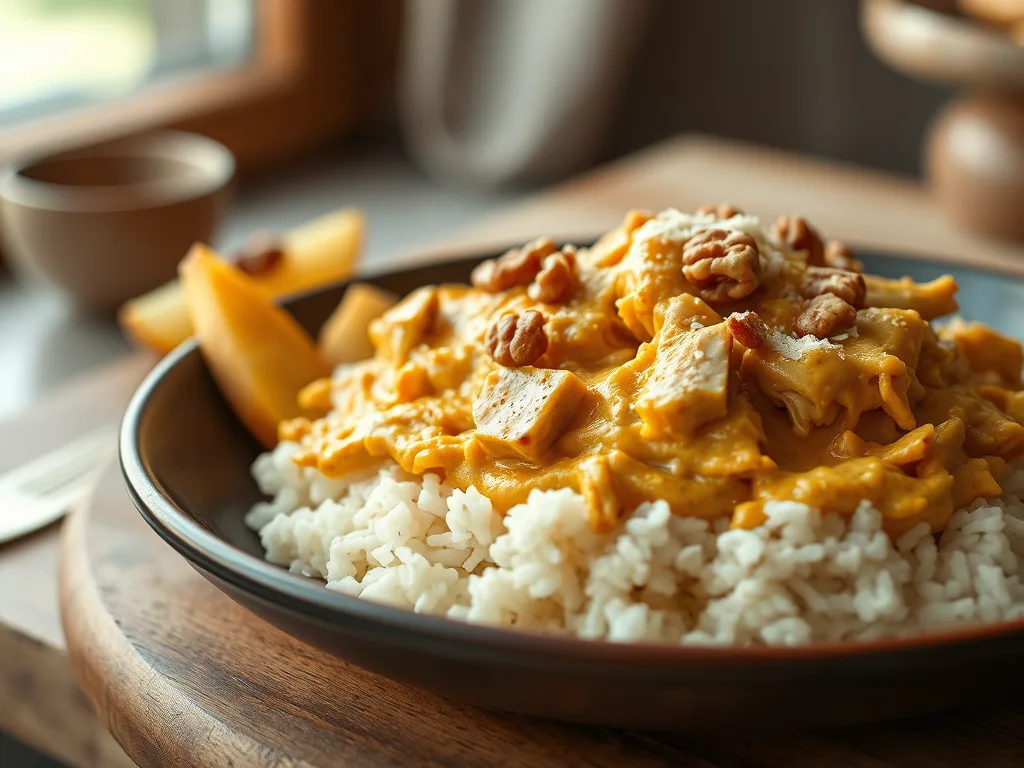
What makes Ají de Gallina so special is the sauce. It is creamy, but not just because of milk or cream. The body comes from bread soaked in broth or milk, blended into the sauce until smooth. Walnuts add richness, cheese brings salt and depth, and ají amarillo gives fruity warmth rather than harsh heat. The chicken is shredded so the sauce can cling to every strand. When served over rice with potatoes, hard-boiled egg, and black olives, the dish becomes a full plate of comfort: soft, savory, golden, and deeply satisfying.
As Chef Ruben, I love dishes that feel like home food but still carry serious history. Ají de Gallina is exactly that kind of recipe. It does not need to look fancy to be important. It is the kind of dish that shows up in family kitchens, lunch menus, celebrations, and everyday meals, always bringing that feeling of warmth. It tastes like someone cooked with care. It is creamy without being bland, spicy without being aggressive, and rich without losing balance.
The ají amarillo is the heart of the dish. This chile is one of the backbone ingredients of Peruvian cuisine, showing up in sauces, stews, marinades, and pastes. Its flavor is bright, fruity, slightly floral, and moderately spicy. It gives Ají de Gallina its unmistakable golden color and its personality. Without ají amarillo, the dish may still be creamy chicken, but it will not be Ají de Gallina in spirit. That is why finding the paste or frozen chiles is worth the effort if you want the flavor to feel authentic.
The technique behind the dish is a beautiful example of resourceful cooking. Day-old bread, broth, leftover chicken, nuts, cheese, and chiles become something elegant when handled with care. The bread thickens the sauce in a way that feels old-world and comforting. The walnuts enrich it without making it greasy. The cheese seasons and rounds the flavor. The sauce should be blended smooth, then cooked gently until glossy and thick enough to coat the chicken. If it becomes too thick, a splash of broth loosens it. If it tastes flat, a little more ají, salt, or cheese wakes it up.
Ají de Gallina also reflects Peru's incredible culinary identity. Peruvian food is famous for blending Indigenous ingredients, Spanish colonial techniques, African influence, Chinese and Japanese immigration, and regional biodiversity. This dish may seem simple on the plate, but it carries that layered history. Indigenous chiles meet European thickening techniques. Chicken, bread, nuts, and cheese become a sauce that feels both familiar and distinctly Peruvian. That is the kind of cultural conversation that makes food so interesting.
The classic presentation matters because it turns the dish into a complete meal. White rice gives a neutral base for the sauce. Boiled potatoes add softness and heartiness. Hard-boiled eggs bring richness and color. Black olives add a salty, slightly bitter contrast that cuts through the creaminess. Each piece has a role. When you get a little rice, sauce, chicken, potato, egg, and olive in one bite, you understand why the dish has lasted.
For home cooks, the biggest mistake is rushing or under-seasoning the sauce. Creamy dishes need enough salt and acidity to stay lively. Ají amarillo brings brightness, but the sauce still needs to be tasted and adjusted. The chicken should be tender and shredded, not chopped into dry chunks. The sauce should hold together, not separate. And while the dish is rich, it should still feel spoonable and smooth, not heavy like paste. That balance is where the comfort lives.
I also appreciate how Ají de Gallina makes leftovers feel intentional. Many great comfort dishes were born from using what was available, and this one can turn cooked chicken into something completely new. That is a lesson worth keeping. Cooking well is not always about starting from scratch with expensive ingredients. Sometimes it is about taking what you have, adding technique, and creating a dish that tastes like it was planned all along.
Ají de Gallina tastes like Lima's kitchens, Spanish influence, Indigenous chiles, and family tables all at once. It is creamy, savory, mildly spicy, and generous. It is the kind of meal that warms you from the inside and reminds you why comfort food matters. As Chef Ruben, I see it as one of those dishes that respects history while feeding people beautifully in the present, and that is exactly the kind of recipe worth keeping alive.
Time and Servings
- Prep Time: 10 minutes
- Cook Time: 20 minutes
- Total Time: 30 minutes
- Servings: 4 servings
Nutrition (per serving)
- Calories: 400 kcal
- Fat: 25g
- Carbohydrates: 15g
- Protein: 30g
Ingredients
- 2 chicken breasts, cooked and shredded
- 1/2 cup aji amarillo paste
- 1 cup evaporated milk
- 1/4 cup walnuts, chopped
- 1 onion, finely chopped
- 2 cloves garlic, minced
- 1/4 cup Parmesan cheese, grated
- 2 tbsp olive oil
- For serving: Steamed rice and boiled potatoes
Instructions
1. Prepare the Aromatics
- In a large skillet or pan, heat the olive oil over medium heat.
- Add the chopped onion and sauté until translucent, about 5 minutes. Stir in the minced garlic and cook for an additional 1-2 minutes until fragrant.
2. Incorporate the Aji Amarillo Paste
- Stir the aji amarillo paste into the pan, blending it well with the onions and garlic. Cook for 2-3 minutes to allow the flavors to meld and deepen.
3. Add the Cream Base and Chicken
- Pour the evaporated milk into the pan, stirring continuously to create a smooth sauce.
- Add the shredded chicken and chopped walnuts, ensuring everything is evenly coated in the sauce.
4. Simmer and Enrich
- Lower the heat and let the mixture simmer gently for 10 minutes, stirring occasionally.
- Add the grated Parmesan cheese, stirring until fully melted and incorporated. Adjust seasoning with salt and pepper to taste.
5. Serve
- Plate the Aji de Gallina over a bed of steamed rice and accompany with boiled potato slices. Garnish with additional Parmesan cheese or fresh parsley if desired.
Tips for Success
- Aji Amarillo Paste Substitute: If you can’t find aji amarillo paste, try blending fresh yellow bell peppers with a pinch of chili flakes for a mild alternative.
- Texture Balance: Chop the walnuts finely to ensure they integrate well with the creamy sauce, providing a subtle crunch.
- Shredded Chicken Tip: Shred the chicken finely for even distribution throughout the dish, ensuring every bite is flavorful.
- Boiled Potatoes: Use waxy potatoes (such as Yukon Gold) for their creamy texture when boiled.
- Evaporated Milk: Do not substitute evaporated milk with regular milk, as it provides the rich creaminess essential to this recipe.
This iconic Peruvian Aji de Gallina combines the comforting creaminess of the sauce with the smoky heat of aji amarillo, making it a true celebration of Peruvian cuisine.
Wine, Cocktail, or Drink Pairing:
Wine Pairing:
A Chardonnay with creamy and oaky notes enhances the richness of Aji de Gallina, while its acidity balances the slight spiciness of the aji amarillo sauce.
Cocktail Pairing:
A Pisco Sour, Peru's iconic cocktail, complements the dish perfectly with its citrusy tang and frothy texture, offering a refreshing contrast to the creamy chicken.
Non-Alcoholic Option:
A chilled glass of chicha morada, a traditional Peruvian purple corn drink, provides a slightly sweet and fruity pairing that complements the dish's savory and spicy elements.