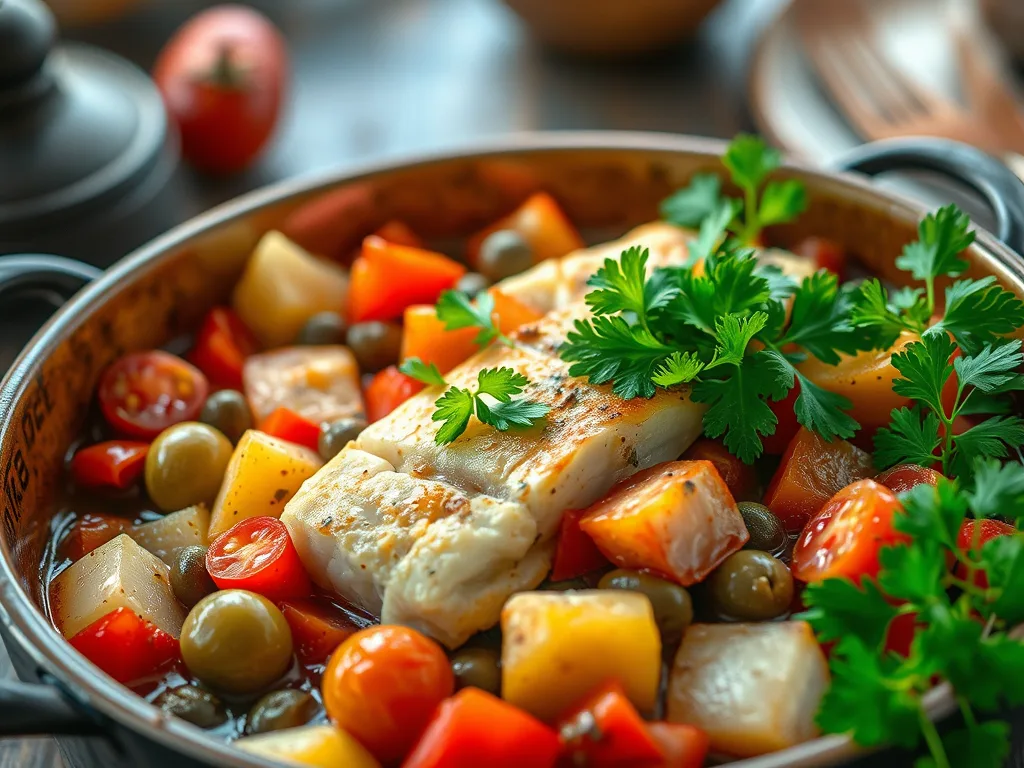
The Story Behind Bacalao a la Vizcaína
Mexican Bacalao a la Vizcaína carries a story of trade routes, religion, preservation, and culinary migration that stretches across the Atlantic Ocean. Salted cod, or bacalao, became important because fishermen in the North Atlantic needed a way to preserve fish long before refrigeration. Basque fishermen were especially skilled at salting and drying cod so it could last for months, making it valuable for sea voyages, trade, and religious observance. The Spanish brought bacalao to Mexico during the colonial period, along with recipes and Catholic fasting traditions. The Vizcaína preparation takes its name from Vizcaya, the Basque region of Spain, but in Mexico the dish became something distinct, festive, and deeply loved.
In Spain, bacalao preparations often feature peppers, tomatoes, olive oil, and aromatics. In Mexico, the dish absorbed local ingredients and holiday customs, becoming richer and more colorful. Tomatoes, chiles, olives, capers, potatoes, almonds, and sometimes pickled peppers come together with the salted cod to create a stew with layers of briny, sweet, savory, and acidic flavor. It is not a quiet dish. It has personality. The cod brings depth, the tomato sauce softens it, the olives and capers add little bursts of salt, and the potatoes make it hearty enough for a celebration.
As Chef Ruben, I appreciate bacalao because it is a recipe that asks for care before it rewards you. Salted cod cannot simply be tossed into a pot. It has to be soaked, rinsed, and treated patiently so the salt level becomes pleasant instead of overpowering. That soaking process is part of the tradition. It reminds you that holiday dishes often begin long before the guests arrive. Someone thought ahead. Someone changed the water. Someone tasted, adjusted, and made sure the fish was ready. That kind of preparation gives a dish meaning.
Bacalao a la Vizcaína is especially tied to Christmas Eve, or Nochebuena, in Mexico. Catholic fasting traditions once discouraged meat on certain holy days, which made fish dishes important for holiday meals. Over time, bacalao became a centerpiece of the Christmas table. It is festive without being a roast, rich without relying on beef or pork, and flavorful enough to stand proudly among tamales, romeritos, ponche, and other seasonal favorites. For many Mexican families, Christmas does not feel complete without it.
The technique is all about building the sauce. A good bacalao should not taste like fish sitting in tomato. The sauce needs to be cooked until the tomatoes deepen, the aromatics soften, and the flavors marry. Potatoes absorb the sauce and help stretch the dish for a crowd. Olives and capers should be present but balanced. Almonds, when used, add texture and richness. Chiles bring warmth and identity. The cod should be flaked into pieces large enough to remain noticeable, not shredded until it disappears. You want to taste the fish, but you also want it woven into the stew.
One of the beautiful things about this dish is how it improves with time. Like many stews, bacalao often tastes even better the next day. The sauce settles into the fish, the potatoes absorb more flavor, and the sharp edges soften. That makes it ideal for holiday cooking because it can be prepared ahead, freeing the cook from last-minute pressure. In fact, many families expect leftovers, and some people might argue the leftover bacalao is the best part.
The dish also tells a larger story about Mexican cuisine itself. Mexican food is often described through corn, chiles, beans, and native ingredients, and rightly so. But Mexican cuisine also carries Spanish, Indigenous, African, Caribbean, Middle Eastern, and European influences layered together over centuries. Bacalao a la Vizcaína is a perfect example of that blending. A preserved fish from the cold Atlantic becomes a warm Mexican holiday stew through tomatoes, chiles, potatoes, olives, capers, and family tradition.
I love how bacalao turns something preserved and practical into something celebratory. Salted cod began as a necessity. It allowed fish to travel and last. But in this recipe, necessity becomes abundance. The stew is colorful, aromatic, and generous. It feeds a table. It carries faith and memory. It connects people to ancestors who cooked the same dish, maybe with slightly different ingredients, maybe in a different kitchen, but with the same sense of occasion.
For home cooks trying bacalao for the first time, my biggest advice is to respect the soaking process and taste as you go. Every piece of salted cod is different. Some are saltier than others, and soaking times can vary. Once the fish is balanced, the rest of the dish becomes much easier. Build the sauce slowly, do not rush the simmer, and let the ingredients become friends in the pot. That is when the dish starts to taste like a holiday.
Mexican Bacalao a la Vizcaína tastes like faith, family, migration, and celebration simmered together. It carries Basque preservation, Spanish colonial history, Catholic tradition, and Mexican creativity in one festive stew. To me, that is what makes it powerful. It is not just salted cod in tomato sauce. It is a dish that traveled across oceans, changed in a new land, and found a permanent place at the Christmas table.
Time and Servings:
- Prep Time: 15 minutes
- Cook Time: 40 minutes
- Total Time: 55 minutes
- Servings: 6 servings
Nutrition (per serving):
- Calories: 380 kcal
- Protein: 28g
- Fat: 12g
- Carbohydrates: 40g
Ingredients:
- 1 lb salted cod, soaked and rinsed
- 1/4 cup olive oil
- 1 onion, finely chopped
- 2 garlic cloves, minced
- 2 medium tomatoes, diced
- 1/4 cup green olives, sliced
- 1/4 cup capers
- 2 medium potatoes, peeled and cubed
- 1/4 cup water or fish stock
- Fresh parsley, chopped (for garnish)
Instructions:
1. Prepare the Salted Cod:
- Rinse the salted cod thoroughly under cold running water to remove excess salt.
- Place the cod in a large bowl, cover with cold water, and soak for 12–24 hours, changing the water at least two times during the soaking process. This step is essential to balance the saltiness.
2. Cook the Vegetables:
- Heat olive oil in a large, deep skillet or pot over medium heat. Add the chopped onion and sauté until translucent, about 5 minutes.
- Stir in the minced garlic and cook for an additional minute until fragrant.
- Add the diced tomatoes and cook for 5–7 minutes, stirring occasionally, until softened and combined into a rich base.
3. Build the Stew:
- Add the green olives and capers to the skillet, stirring to combine.
- Stir in the cubed potatoes and mix well with the tomato mixture. Add 1/4 cup of water or fish stock to the pot. Cover and simmer for 10 minutes to allow the potatoes to start cooking.
4. Add the Cod:
- Cut the soaked cod into medium-sized pieces and gently nestle them into the simmering mixture.
- Cover and cook on low heat for an additional 20 minutes, stirring occasionally, until the cod is tender and the potatoes are fully cooked.
5. Finish and Serve:
- Adjust the seasoning with salt and pepper if needed (remember, the cod, olives, and capers are naturally salty).
- Garnish the stew with fresh parsley and serve hot with crusty bread or warm tortillas.
Tips for Success:
- Properly Desalting the Cod: Soaking the cod for the correct amount of time is critical. If it's still too salty after 24 hours, continue soaking and changing the water.
- Enhance the Flavor: Adding a bay leaf or a dash of smoked paprika to the tomato base can deepen the flavor profile of the stew.
- Texture Matters: For a thicker consistency, mash a few of the cooked potatoes into the stew.
- Serving Suggestions: Serve with a side of warm bread or over steamed rice for a hearty meal.
- Make It Ahead: This stew develops deeper flavors when allowed to sit. Prepare it a day ahead and reheat gently before serving for an even more delicious result.
Wine, Cocktail, or Drink Pairing:
- Pair this festive stew with a dry white wine like Sauvignon Blanc or a light red wine like Pinot Noir to complement the rich and savory flavors.