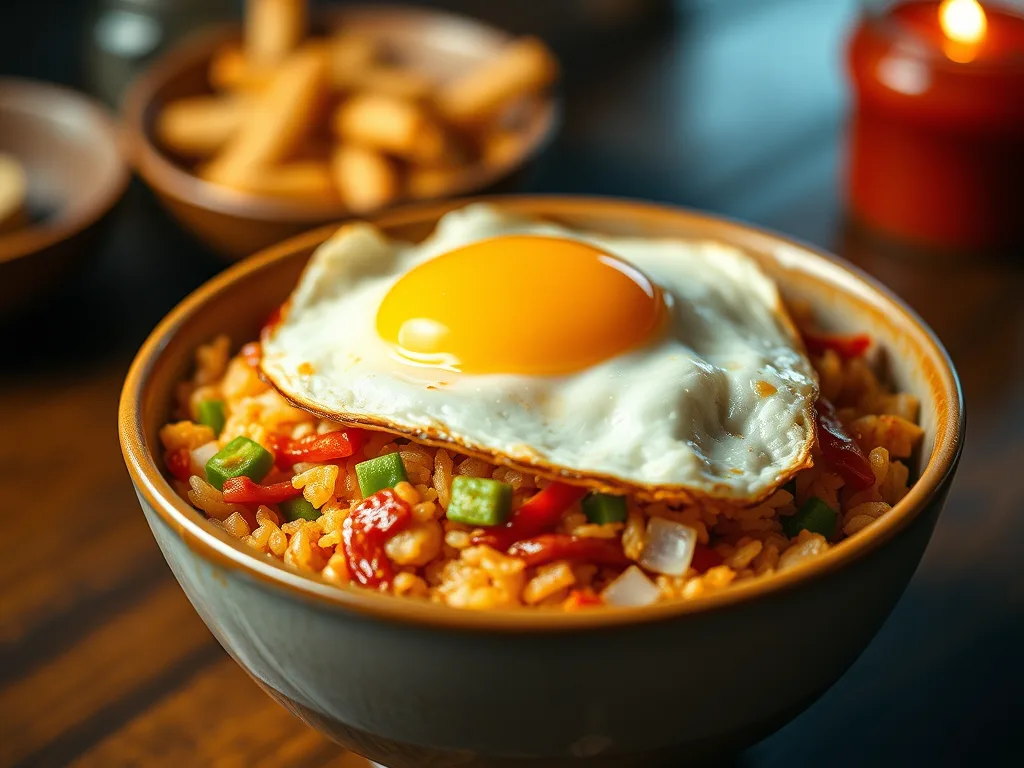
The Story Behind Kimchi Fried Rice
Korean Kimchi Fried Rice, or Kimchi Bokkeumbap, is the ultimate expression of Korean resourcefulness and the philosophy of never wasting good food. Kimchi — the fermented vegetable staple that is the backbone of Korean cuisine — has been made in Korea for over 2,000 years, with records of fermented vegetables appearing in texts from the Three Kingdoms period. The tradition of bokkeumbap, meaning fried rice, arrived in Korea through Chinese influence, but the Korean version quickly became its own distinct dish. Kimchi Fried Rice is most often made with older, more pungent kimchi that has been fermenting for weeks. The extra sourness and complexity that develops over time translates into an extraordinarily flavorful, deeply umami fried rice. In Korea, this dish is quintessential home cooking — the meal you make on a weeknight when the fridge holds leftover rice and kimchi, which in a Korean household is almost always.
From Chef Ruben’s kitchen, I love kimchi fried rice because it is the kind of dish that does not ask for perfection. It asks for leftovers, heat, and a little confidence. Day-old rice is actually better than fresh rice because it is drier and separates more easily in the pan. Older kimchi is better than brand-new kimchi because its sourness gives the rice personality. A spoonful of gochujang can deepen the spice, a splash of kimchi juice can season the whole pan, and a fried egg on top turns it from a quick snack into a full meal. This is food that understands real life. You do not always have time for a complicated dinner, but you can still make something bold, satisfying, and full of character.
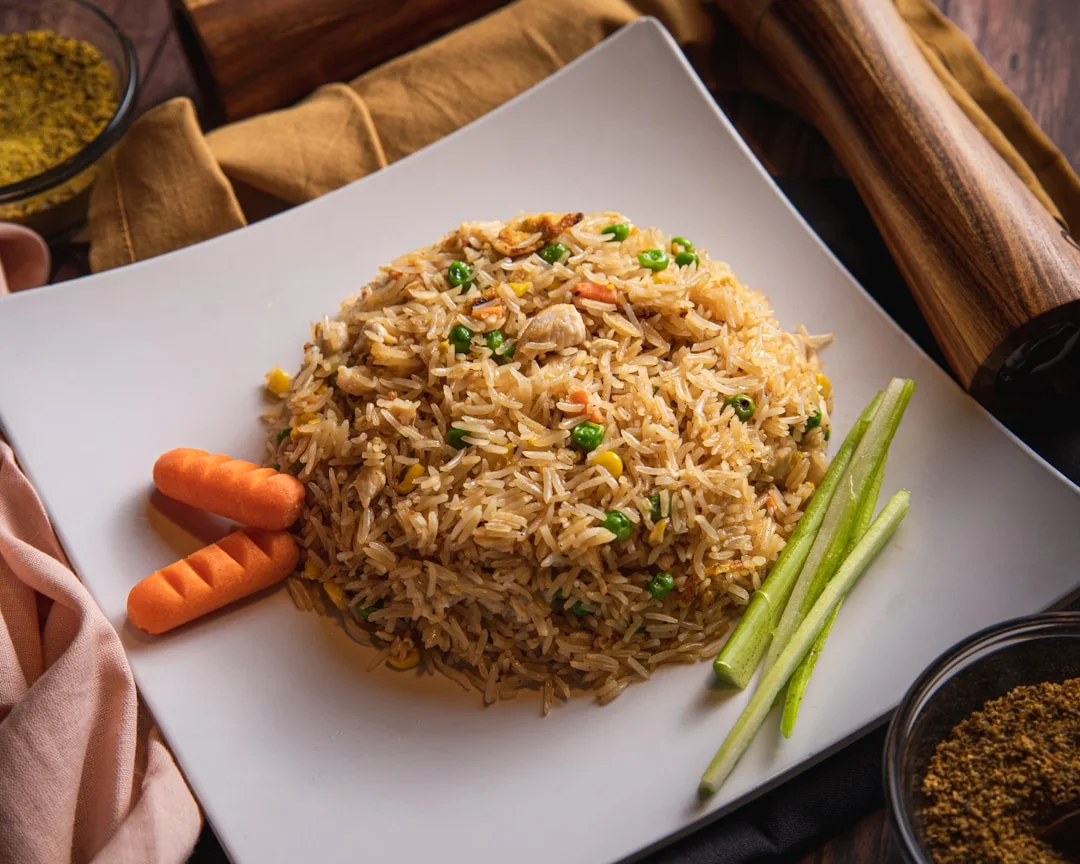
The technique is about high heat and sequencing. Start by cooking any bacon, pork belly, Spam, tofu, or vegetables first so the pan is flavorful. Then add chopped kimchi and let it fry, not just warm through. That step is important because frying kimchi concentrates its flavor, softens its sharpness, and brings out a deeper sweetness. The rice goes in next, followed by seasonings like soy sauce, sesame oil, gochujang, or a little sugar if the kimchi is very sour. You want every grain coated but not mushy. Pressing the rice briefly against the hot pan can create crispy bits, which are always a bonus. Finish with scallions, sesame seeds, seaweed flakes, or that classic sunny-side egg. Kimchi fried rice is spicy, tangy, savory, and comforting all at once. It is also one of the best examples of how fermented food can transform leftovers into something that tastes intentional, rich, and alive.
Time and Servings:
- Prep Time: 10 minutes
- Cook Time: 15 minutes
- Total Time: 25 minutes
- Servings: 4 servings
Nutrition (per serving):
- Calories: 350 kcal
- Protein: 12g
- Fat: 15g
- Carbohydrates: 40g
Ingredients:
- 2 cups cooked rice (preferably day-old rice)
- 1 cup kimchi, chopped
- 1/2 onion, chopped
- 2 tbsp gochujang (Korean chili paste)
- 2 tbsp soy sauce
- 2 tbsp vegetable oil
- 4 fried eggs (optional, for topping)
Instructions:
- Sauté the Vegetables:
- Heat 2 tbsp of vegetable oil in a large skillet or wok over medium heat.
- Add the chopped onion and cook for 2-3 minutes until softened and fragrant.
- Stir in 1 cup of chopped kimchi and cook for another 2-3 minutes until heated through and slightly caramelized.
- Add the Rice and Sauce:
- Add 2 cups of cooked rice to the skillet, breaking up any clumps with a spoon or spatula.
- Stir in 2 tbsp of gochujang and 2 tbsp of soy sauce, mixing well to coat the rice evenly.
- Cook for an additional 5-7 minutes, stirring frequently, until the rice is heated through and slightly crispy at the edges.
- Prepare the Toppings:
- If desired, fry 4 eggs sunny-side up or to your preferred doneness in a separate pan.
- Serve:
- Divide the kimchi fried rice into bowls or plates.
- Top each serving with a fried egg and garnish with additional kimchi, green onions, or sesame seeds if desired.
Tips for Success:
- Day-old rice works best for fried rice as it is less sticky and absorbs flavors better.
- Adjust the spice level by adding more or less gochujang to suit your taste.
- Add protein like diced chicken, shrimp, or tofu for a heartier meal.
Wine, Cocktail, or Drink Pairing:
- Pair this spicy fried rice with a chilled Korean soju, an ice-cold lager, or a refreshing sparkling water to balance the heat.