The Story Behind Korean Bulgogi
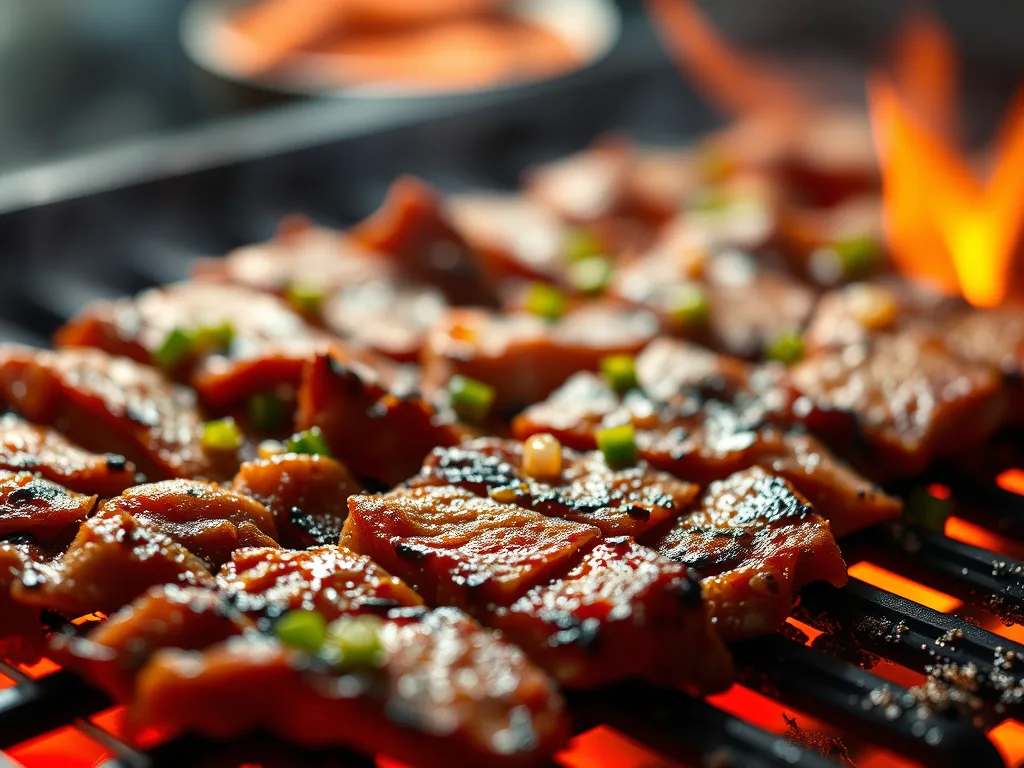
Bulgogi — literally "fire meat" in Korean — has roots stretching back more than 1,600 years to the Goguryeo kingdom, where it was known as maekjeok: spiced meat cooked over an open fire. Over centuries it evolved, and the term "bulgogi" appears in records from the Joseon dynasty (1392–1897). Traditionally, thinly sliced beef is marinated in a mixture of soy sauce, sugar, sesame oil, garlic, ginger, and Asian pear or kiwi — whose natural enzymes tenderize the meat — then grilled over charcoal. That mix of sweetness, salt, aroma, and fire is what makes bulgogi so irresistible. It is one of those dishes that smells good before it even reaches the plate, especially when the marinade starts sizzling and caramelizing on hot metal or over flame.
After the Korean War, as urban restaurants proliferated and the middle class grew, bulgogi became a defining dish of Korean social eating: cooked at the table, shared among friends, and paired with rice and banchan, or side dishes. The pear or kiwi marinade is the step that separates authentic bulgogi from imitations; the fruit's enzymes break down muscle fibers, giving the beef its characteristic silky-tender texture that no amount of extra cooking time can replicate. From Chef Ruben’s kitchen, I love that detail because it shows how traditional cooking often contains real science even when it is passed down as instinct. A grandmother may not talk about enzymes, but she knows the fruit makes the meat tender. That kind of knowledge is powerful. For best results, the beef should be sliced very thin, either by asking the butcher or partially freezing the meat at home so it is easier to cut. Thin slices absorb the marinade quickly and cook fast, which is exactly what bulgogi is supposed to do.
Serving bulgogi with sticky rice turns the dish into comfort food. The rice catches the sweet-savory juices, the sesame aroma rises with the steam, and every bite feels balanced. I like to include scallions, sesame seeds, and sometimes sautéed onions or mushrooms because they soak up the marinade beautifully. If you want that classic Korean barbecue feeling at home, a hot cast-iron skillet works well because it gives the beef browned edges without requiring an outdoor grill. The key is not to overcrowd the pan. If too much meat goes in at once, it steams instead of sears, and you lose that fire-meat character. Cook in batches if needed and let the edges caramelize. Bulgogi also represents the generosity of Korean meals. It is rarely eaten alone; it belongs with rice, kimchi, pickled vegetables, lettuce wraps, sauces, and conversation. You can wrap it in lettuce with rice and gochujang, pile it into bowls, or serve it family-style in the center of the table. The dish has traveled around the world because it is approachable, deeply flavorful, and easy to love. For me, Korean bulgogi is a perfect example of how a marinade can tell a story: ancient fire cooking, royal and home traditions, modern barbecue culture, and the simple pleasure of tender beef over warm rice.
Time and Servings:
- Prep Time: 10 minutes (plus 30 minutes marinating time)
- Cook Time: 10 minutes
- Total Time: 20 minutes (active time) + 30 minutes marinating
- Servings: 4 servings
Nutrition (per serving):
- Calories: 420 kcal
- Protein: 25g
- Fat: 18g
- Carbohydrates: 35g
- Fiber: 1g
- Sugar: 12g
- Sodium: 800mg
Ingredients:
- 1 lb beef sirloin, thinly sliced
- 2 tbsp soy sauce
- 2 tbsp sugar
- 1 tbsp sesame oil
- 2 cloves garlic, minced
- 1 tbsp grated ginger
- 1 tbsp rice wine vinegar
- 1 tbsp sesame seeds
- 1 green onion, chopped
- 2 cups cooked sticky rice
Instructions:
- Marinate Beef:
In a medium-sized bowl, whisk together soy sauce, sugar, sesame oil, garlic, grated ginger, and rice wine vinegar until well combined. Add the thinly sliced beef and toss to coat evenly. Cover and refrigerate for at least 30 minutes to allow the flavors to infuse. - Prepare Sticky Rice:
Cook sticky rice according to package instructions or using a rice cooker. Keep warm until ready to serve. - Grill Beef:
Preheat a grill, grill pan, or cast-iron skillet over high heat. Once hot, lay the marinated beef slices in a single layer and grill for 2-3 minutes per side until caramelized and slightly charred. Cook in batches if necessary to avoid overcrowding the grill. - Serve:
Plate the cooked Bulgogi beef alongside a generous portion of sticky rice. Garnish with sesame seeds and chopped green onion for a pop of color and flavor.
Tips for Success:
- Slice Beef Thinly: Freezing the beef for 15-20 minutes before slicing makes it easier to cut thin, uniform slices for even cooking.
- Don’t Overcrowd the Grill: Searing the beef in small batches ensures caramelization and prevents steaming.
- Marinate Overnight: For deeper flavor, let the beef marinate overnight in the refrigerator.
- Sticky Rice Tips: Rinse the rice thoroughly before cooking to remove excess starch for a perfect, chewy texture.
Wine, Cocktail, or Drink Pairing:
- Wine Pairing: A light Pinot Noir complements the sweet and savory flavors of Bulgogi without overpowering the dish.
- Cocktail Pairing: A soju-based cocktail or a light lager pairs perfectly with the bold, umami flavors.
- Non-Alcoholic Option: Serve with a chilled barley tea (boricha) or a sweetened iced green tea for a refreshing accompaniment.