The Story Behind German Sauerbraten
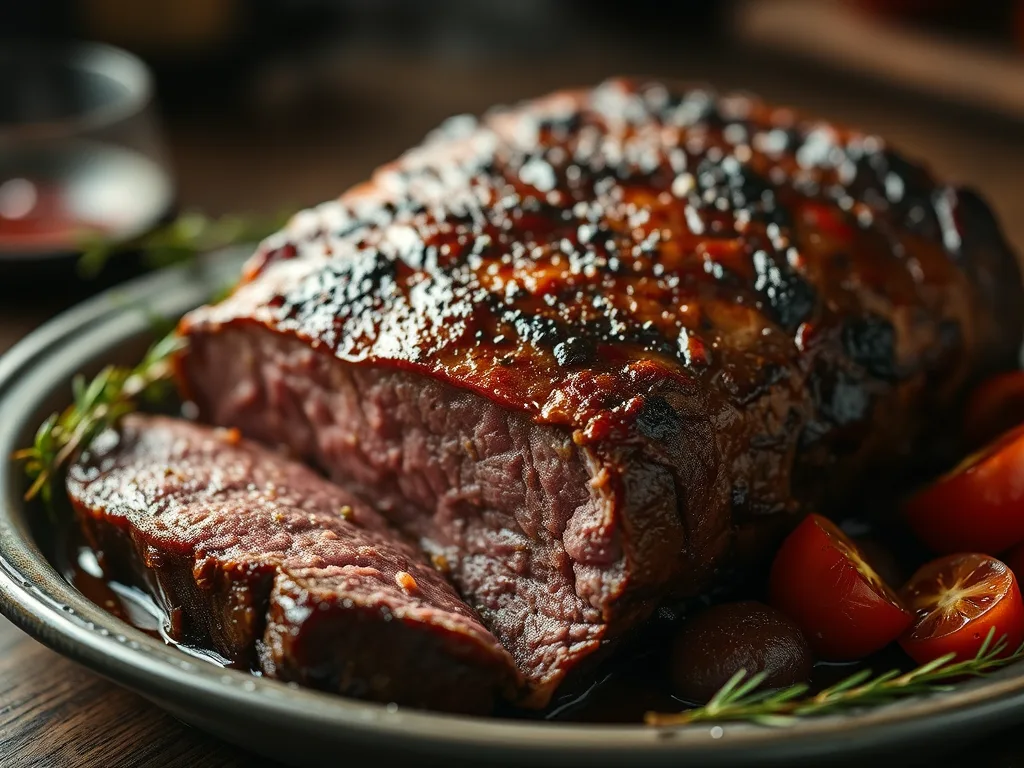
Sauerbraten — "sour roast" — is Germany's national dish, a magnificently complex braised beef roast that spends days marinating in a sweet-and-sour bath of vinegar, red wine, and spices before being slow-cooked until tender. It is the German answer to French pot-au-feu and Belgian carbonnade: a patient, unhurried dish that transforms a tough cut of beef into something extraordinary through time and acid. The dish has been documented in German cooking literature since at least the 15th century, and its combination of sweet and sour — the sour from vinegar, the sweet from raisins or sugar — reflects the medieval European sweet-sour flavor profile that was fashionable throughout the continent before the New World changed European palates forever.
Legend — probably apocryphal but too good to ignore — attributes the invention of sauerbraten to Julius Caesar, who reportedly introduced the Roman practice of preserving meat in vinegar to the Germanic tribes he encountered during his Rhine campaigns. More credibly, the dish emerged from the practical need to preserve beef in the pre-refrigeration era: the vinegar marinade killed bacteria and extended the meat's life significantly. Different German regions have distinct variations: the Rhineland version is the sweetest, including raisins; the Swabian version is more austere. Red cabbage (Rotkohl) braised with apple and cloves is the canonical accompaniment, its sweet-tartness perfectly mirroring the flavors of the roast itself.
What makes sauerbraten so special is that the flavor begins long before the pot hits the stove. The marinade is doing quiet work for a full day or more, tenderizing the meat and infusing it with vinegar, wine, bay, cloves, peppercorns, and aromatics. That patience is the heart of the dish. When the roast finally braises, the sharpness of the marinade mellows into something deep, dark, and complex. The sauce often gets thickened with crushed gingersnaps or a similar sweet-spiced element, giving it body and a subtle warmth that makes the dish unmistakably German.
As Chef Ruben, I love sauerbraten because it reminds us that some meals cannot be rushed. This is not a quick dinner; it is a planned comfort dish, the kind that fills the house with aroma and makes the table feel important. The red cabbage is more than a side, because its sweet acidity echoes the sauce and keeps the richness balanced. Served with potato dumplings, spaetzle, or boiled potatoes, sauerbraten becomes a full expression of old-world cooking: practical, patient, and deeply satisfying.
Time and Servings:
Prep Time: 15 minutes (plus 24 hours marinating time)
Cook Time: 2 hours 15 minutes
Total Time: 2 hours 30 minutes (active time) + 24 hours marinating
Servings: 6 servings
Nutrition (per serving):
Calories: 420 kcal
Protein: 32g
Fat: 22g
Carbohydrates: 14g
Fiber: 3g
Sugar: 7g
Sodium: 300mg
Ingredients:
- For the Sauerbraten:
- 2 lbs beef roast
- 2 cups red wine vinegar
- 1 onion, chopped
- 3 cloves garlic, minced
- 1 tbsp sugar
- 1 tbsp mustard seeds
- 2 tbsp olive oil
- For the Red Cabbage:
- 2 cups red cabbage, shredded
- 2 tbsp olive oil
- 1 tbsp red wine vinegar
- Salt and pepper, to taste
Instructions:
- Marinate Beef:
- In a large bowl or sealable bag, combine red wine vinegar, chopped onion, minced garlic, sugar, and mustard seeds. Submerge the beef roast in the marinade, cover, and refrigerate for 24 hours, turning occasionally to ensure even marinating.
- Cook Beef:
- Preheat the oven to 350°F (175°C).
- Remove the beef from the marinade (reserving the liquid) and pat dry.
- In a large oven-safe pot, heat olive oil over medium-high heat and sear the beef on all sides until browned.
- Pour the reserved marinade into the pot, cover, and roast in the oven for 2 hours, basting occasionally, until the meat is tender.
- Prepare Red Cabbage:
- While the beef cooks, heat olive oil in a skillet over medium heat.
- Add shredded red cabbage and sauté for 5 minutes.
- Stir in red wine vinegar, salt, and pepper, and cook for another 5 minutes until softened but still slightly crisp.
- Serve:
- Slice the Sauerbraten and arrange it on a serving platter.
- Serve alongside the sautéed red cabbage for a complete, hearty meal.
Tips for Success:
- Tender Beef: Marinating for at least 24 hours helps tenderize the beef and infuse it with flavor. For deeper flavor, marinate for up to 3 days.
- Thickened Sauce: To create a gravy, strain the cooking liquid, reduce it on the stove, and whisk in cornstarch or flour.
- Cabbage Texture: Keep an eye on the cabbage to maintain its texture””soft but not mushy.
Wine, Cocktail, Drink Pairing:
- Pair with a German Riesling or a dark Dunkel beer for a traditional touch. For a non-alcoholic option, serve with sparkling apple cider to complement the tangy flavors.