The Story Behind Bibingka: A Christmas Coconut Rice Cake
Filipino Bibingka is synonymous with Christmas in the Philippines — the warm, fragrant smell of this coconut rice cake baking over charcoal is one of the most evocative scents of the holiday season. Traditionally cooked in clay pots lined with banana leaves, bibingka is sold outside churches during the nine-day dawn mass called Simbang Gabi, a cherished pre-Christmas tradition. The cake's origins trace back to ancient Austronesian cultures across Southeast Asia, where rice cakes held deep ritual significance. Rice was not just food; it was tied to harvest, offering, celebration, and community. Bibingka carries that older rice-cake tradition forward while also reflecting the Filipino Christmas spirit, which is joyful, generous, and full of food shared after prayer and gathering.
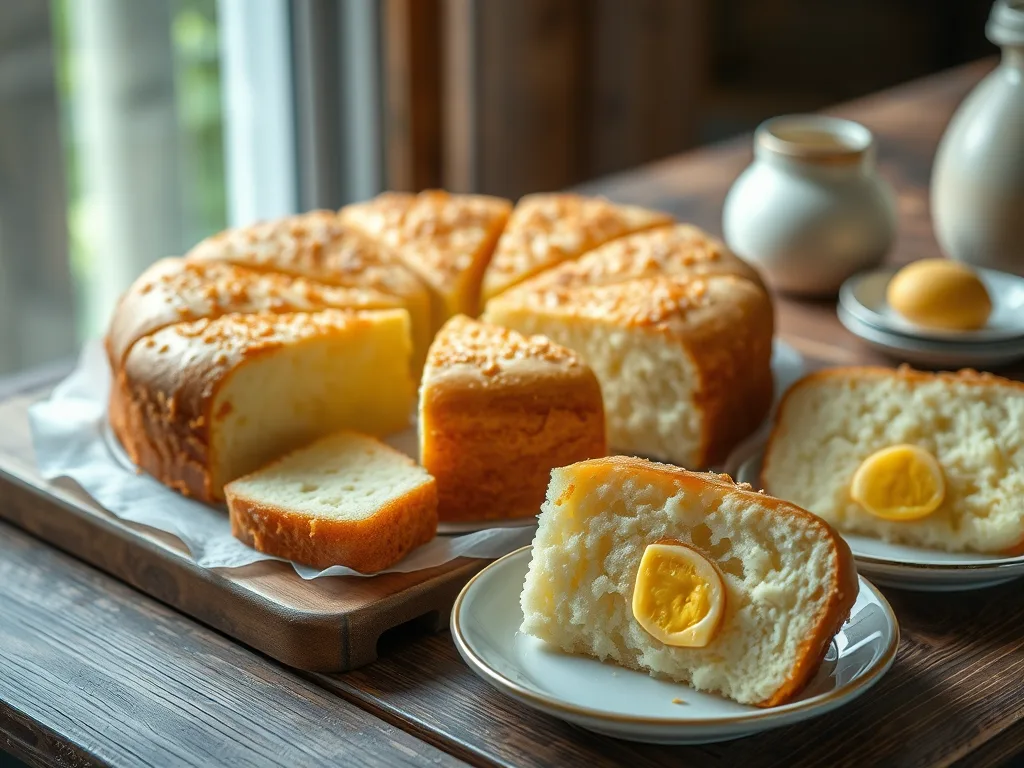
Over centuries of Spanish influence, bibingka evolved to incorporate salted eggs, cheese, and butter — a beautiful fusion of indigenous and colonial flavors. Today, whether enjoyed with a cup of salabat, ginger tea, or tsokolate, bibingka remains one of the Philippines' most beloved edible traditions. From Chef Ruben’s kitchen, I love how bibingka brings together ingredients that might surprise someone unfamiliar with Filipino desserts. Rice flour and coconut milk create a soft, fragrant cake. Salted egg adds savory richness. Cheese melts into the top. Butter makes it glossy and comforting. Sugar and grated coconut finish everything with sweetness. That sweet-salty balance is one of the reasons Filipino holiday food is so memorable.
What makes bibingka so special is that it is tied to a specific feeling: early morning, cool December air, church bells, family, and the promise of Christmas getting closer. The banana leaf lining is not just practical; it perfumes the cake as it bakes, adding a grassy aroma that makes bibingka instantly recognizable. The rice flour gives it a tender, slightly chewy crumb, while coconut milk adds richness and warmth. Even when made in a modern oven, that banana leaf aroma can transport the dish back to the traditional clay-pot version. Food has that power. One smell can carry people across time and distance.
The toppings make the cake unforgettable. Salted egg brings a savory contrast, cheese melts into richness, butter adds shine, and grated coconut or sugar gives sweetness. That sweet-salty balance is part of Filipino dessert genius. As Chef Ruben, I love foods that carry ritual, and bibingka is absolutely one of them. It is not just a coconut rice cake; it is a Christmas memory. Even when made in a modern oven instead of clay pots and charcoal, it still carries the spirit of Simbang Gabi and the joy of sharing something warm after prayer, travel, and early morning celebration.
The technique is about keeping the texture tender. Rice cakes can become dense if overmixed or overbaked, so the batter should be handled gently and baked just until set. Coconut milk gives moisture, and the banana leaf helps protect the edges while adding fragrance. Bibingka is best served warm, when the butter melts over the top and the cheese is still soft. It is a dessert, a breakfast treat, a snack, and a holiday symbol all at once. For many Filipino families, Christmas does not fully feel like Christmas until bibingka appears. That is the kind of tradition every recipe hopes to become — something people wait for, remember, and pass on.
Time and Servings:
- Prep Time: 15 minutes
- Cook Time: 30 minutes
- Total Time: 45 minutes
- Servings: 8 slices
Nutrition (per serving):
- Calories: 220 kcal
- Carbohydrates: 30g
- Protein: 4g
- Fat: 9g
Ingredients:
For the Batter:
- 1 cup rice flour
- 1/2 cup coconut milk
- 1/2 cup sugar
- 1 tsp baking powder
- 1/4 cup unsalted butter, melted
For the Toppings:
- 1 salted egg, sliced (optional)
- 1/4 cup grated cheese
Optional Garnish:
- Banana leaves for lining the pan
- Additional melted butter for brushing
Instructions:
1. Prepare the Batter
- Preheat the oven to 350°F (175°C).
- Grease a 9-inch round baking pan or line it with banana leaves for a traditional presentation.
- In a large mixing bowl, combine rice flour, coconut milk, sugar, baking powder, and melted butter. Mix until smooth and lump-free.
2. Assemble the Bibingka
- Pour the batter into the prepared baking pan, spreading it evenly.
- Arrange sliced salted egg and grated cheese on top of the batter.
3. Bake the Bibingka
- Bake the bibingka in the preheated oven for 30 minutes, or until the top is golden and a toothpick inserted in the center comes out clean.
- For a golden, caramelized top, broil the bibingka for 1-2 minutes after baking. Monitor closely to avoid burning.
4. Serve and Enjoy
- Brush the top with melted butter while still warm for extra flavor.
- Slice and serve on banana leaves for an authentic touch.
Tips for Success:
- Banana Leaves: Briefly pass banana leaves over an open flame to make them pliable before lining the pan. They add a subtle, authentic aroma.
- Topping Variations: Try shredded coconut, cream cheese, or a light dusting of sugar for alternative flavors.
- Mix Thoroughly: Ensure the batter is smooth to achieve a uniform texture in the baked bibingka.
- Alternative Baking: Use a clay pot or oven toaster to mimic traditional bibingka cooking methods for a smokier flavor.
Pairing Suggestions:
- This Filipino Bibingka pairs wonderfully with traditional holiday drinks like salabat (ginger tea) or tsokolate (Filipino hot chocolate) for a cozy and festive treat. Enjoy warm for the best experience!