The Story Behind Cranberry Sauce
Cranberry sauce is one of the oldest truly American food traditions at Thanksgiving — and perhaps the only one with authentic roots connecting the modern holiday to the indigenous traditions it purports to commemorate. Cranberries are native to North America and were a staple food of many indigenous peoples, including the Wampanoag of Massachusetts, who used them fresh, dried, and in pemmican, a preserved meat and berry mixture, long before European contact. Colonial accounts mention cranberry sauce appearing at Thanksgiving-style harvest celebrations as early as the 1670s. Long before it became a holiday side dish, the cranberry was valued because it was tart, colorful, useful, and able to keep well through cold seasons. It brought brightness to food when fresh fruit was not always easy to find.
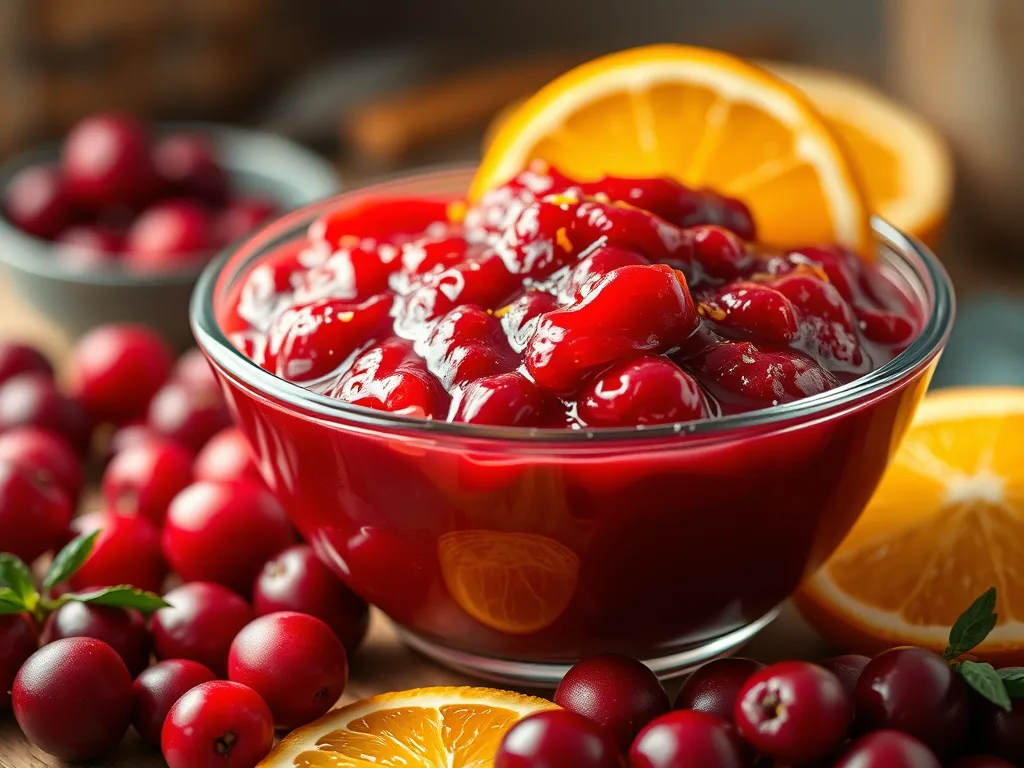
The canned cranberry sauce that many Americans grew up with was invented by Marcus Urann in the early 20th century and became a Thanksgiving staple after Ocean Spray began mass production. But nothing compares to homemade cranberry sauce — tart, bright, and alive with fresh fruit flavor in a way that can transform the entire Thanksgiving plate. From Chef Ruben’s kitchen, I have respect for the canned version because it is part of people’s memories. Some families want those perfect ridges from the can, and I get it. Food nostalgia is real. But homemade cranberry sauce brings a different kind of joy. It bubbles on the stove, the berries pop, the color deepens, and suddenly the kitchen smells like Thanksgiving. That sound of cranberries bursting in the pot is one of those little kitchen moments that tells you the holiday is really happening.
The technique is simple, which is part of the beauty. Fresh cranberries, sugar, water or orange juice, and a little time are enough. As the cranberries heat, they burst and release natural pectin, thickening the sauce without any special tricks. You can keep it classic or add orange zest, cinnamon, cloves, ginger, apples, pears, maple syrup, or a splash of port. The important thing is balance. Cranberries are naturally sharp, so they need sweetness, but too much sugar can flatten their personality. A good cranberry sauce should still have a little bite. It should wake up the turkey, cut through the gravy, and bring freshness to stuffing and mashed potatoes. It is also one of the best make-ahead dishes on the menu because it tastes better after chilling.
I like to make cranberry sauce at least a day ahead so the flavors settle and the texture firms up. That also removes one more task from Thanksgiving Day, which every cook can appreciate. If the sauce gets too thick after chilling, a small splash of orange juice can loosen it. If it tastes too tart, stir in a little more sweetener while it is still warm. If it tastes too sweet, a squeeze of lemon can bring it back to life. Leftovers are a gift: spread it on turkey sandwiches, spoon it over yogurt, serve it with cheese, swirl it into oatmeal, or warm it into a glaze for pork or chicken. Homemade cranberry sauce proves that one small bowl can change the whole holiday plate. It is color, contrast, history, and freshness all in one spoonful.
The other thing I appreciate about cranberry sauce is how personal it becomes. Some families want it smooth, some want it chunky, some add orange, and some insist it stay plain. None of those versions are wrong. The real goal is to create that bright counterpoint the plate needs. Thanksgiving is rich by design, so cranberry sauce has a job: cut through the fat, sharpen the savory dishes, and make every bite taste new again. It may sit in a small bowl, but it works hard. When I cook it, I listen for the berries popping and watch the sauce go from loose and bright to glossy and deep red. That little transformation is simple kitchen magic, and it is one of the easiest ways to bring homemade care to the holiday table.
Time and Servings:
- Prep Time: 5 minutes
- Cook Time: 15 minutes
- Total Time: 20 minutes
- Servings: 6 servings
Nutrition (per serving):
- Calories: 90 kcal
- Protein: 0g
- Fat: 0g
- Carbohydrates: 24g
- Fiber: 2g
- Sodium: 0mg
Ingredients:
- 12 oz fresh cranberries
- 1/2 cup sugar
- 1/2 cup orange juice (freshly squeezed recommended)
- 1 tsp orange zest
Instructions:
- Combine Ingredients:
- In a medium-sized saucepan, combine 12 oz of fresh cranberries, 1/2 cup of sugar, 1/2 cup of orange juice, and 1 tsp of orange zest.
- Stir to mix the ingredients evenly.
- Cook the Cranberry Sauce:
- Place the saucepan over medium heat and bring the mixture to a boil, stirring occasionally to dissolve the sugar.
- Once boiling, reduce the heat to low and let the sauce simmer for 10-15 minutes.
- Stir occasionally as the cranberries burst and the sauce thickens.
- Cool the Sauce:
- Remove the saucepan from heat and let the cranberry sauce cool to room temperature.
- The sauce will continue to thicken as it cools.
- Serve:
- Transfer the cooled sauce to a serving dish and serve as a tangy, sweet accompaniment to your Thanksgiving meal.
Tips for Success:
- For a sweeter sauce, increase the sugar to 3/4 cup.
- Add a pinch of cinnamon or a dash of vanilla extract for extra depth of flavor.
- Make the sauce a day ahead to allow the flavors to meld beautifully.
Wine, Cocktail, or Drink Pairing:
- Pair this tangy cranberry sauce with a cranberry mimosa, a glass of dry rosé, or a festive mulled wine for the holidays.