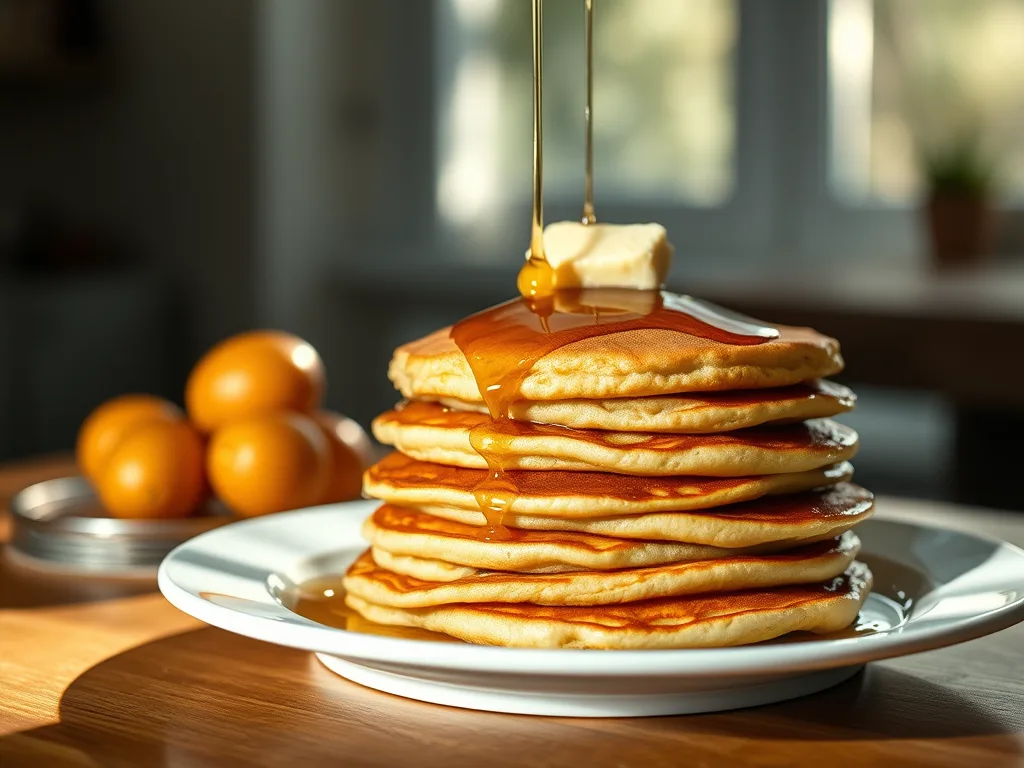
The Story Behind IHOP Pancakes
IHOP — the International House of Pancakes — opened its first location in Toluca Lake, California, in 1958, founded by Al Lapin Jr. with the simple premise that Americans would happily eat breakfast at any hour of the day. He was right. There is something powerful about the idea of all-day breakfast. Pancakes at 7 a.m. make sense, but pancakes at 7 p.m. feel like a little rebellion, the kind of comfort meal that says rules can wait. IHOP built its identity around that feeling: big booths, hot coffee, syrup bottles on the table, and stacks of pancakes that arrive looking like they belong in a commercial. For many people, IHOP pancakes are tied to childhood breakfasts, road trips, late-night meals, and lazy weekend mornings when nobody is in a rush.
For more than 60 years, IHOP's buttermilk pancakes have been the benchmark for the diner-style fluffy stack — that specific texture that's tender inside, slightly crispy at the edges, and just thick enough to hold a lake of syrup. The secret isn't exotic: a generous amount of baking powder for lift, real buttermilk for tang and tenderness, and a rested batter that lets the leavening fully activate before the first ladle hits the griddle. This copycat captures that exact profile — bright, fluffy, and perfectly browned — any morning of the week. From Chef Ruben’s kitchen, I think pancakes are one of those recipes that look simple but reveal a lot about technique. Overmix the batter and they turn tough. Cook them on a pan that is too hot and the outside gets dark before the inside cooks. Flip them too early and you lose that beautiful rise. But when everything lines up — the batter is slightly lumpy, the griddle is evenly heated, and the bubbles form across the top — you get that classic pancake moment that feels like breakfast perfection.
What makes IHOP-style pancakes so comforting is the balance between tenderness and structure. They need to be soft enough to cut with the side of a fork, but sturdy enough to stack high and soak up butter and syrup. Buttermilk plays a big role here. Its acidity reacts with the baking powder and baking soda to create lift, while also giving the pancakes a subtle tang that keeps them from tasting flat. A little sugar helps with browning, and melted butter adds richness. Resting the batter for even a few minutes can make a difference because it gives the flour time to hydrate and the leavening time to wake up. I like to cook pancakes in a lightly greased skillet or griddle, wiping away excess fat so the surface browns evenly instead of frying unevenly. The first pancake is often the test pancake, and that is okay. It tells you whether the heat needs adjusting. Pancakes also carry a personal kind of joy. They invite toppings: maple syrup, berries, whipped cream, chocolate chips, bananas, or just butter melting into the top pancake. A copycat recipe is not just about copying a restaurant; it is about bringing that familiar diner feeling home. When a warm stack lands on the plate and the syrup starts sliding down the sides, you understand why pancakes never go out of style.
Time and Servings:
- Prep Time: 10 minutes
- Cook Time: 15 minutes
- Total Time: 25 minutes
- Servings: 4 servings
Nutrition (per serving):
- Calories: 220 kcal
- Protein: 6g
- Fat: 8g
- Carbohydrates: 30g
- Fiber: 1g
- Sugar: 5g
- Sodium: 480mg
Ingredients:
- 1 1/4 cups all-purpose flour
- 1 tbsp sugar
- 1 tsp baking powder
- 1/2 tsp baking soda
- 1/2 tsp salt
- 1 cup buttermilk
- 1 egg
- 2 tbsp melted butter
Instructions:
- Make Batter:
- In a large bowl, whisk together the flour, sugar, baking powder, baking soda, and salt.
- In a separate bowl, whisk together the buttermilk, egg, and melted butter.
- Pour the wet ingredients into the dry ingredients and stir until just combined; avoid overmixing for fluffy pancakes.
- Cook Pancakes:
- Heat a griddle or large skillet over medium heat and lightly grease with butter or non-stick spray.
- Pour 1/4 cup of batter onto the griddle for each pancake.
- Cook until bubbles form on the surface and the edges start to set, about 2-3 minutes. Flip and cook the other side until golden brown, about 1-2 minutes more.
- Serve:
- Serve the pancakes hot, stacked, and topped with butter and syrup for a classic IHOP experience.
Tips for Success:
- Use Fresh Buttermilk: Fresh buttermilk adds tanginess and tenderness to the pancakes.
- Avoid Overmixing: Mix the batter just until combined to keep the pancakes light and fluffy.
- Temperature Control: Maintain medium heat to avoid burning the pancakes while ensuring they cook through.
Wine, Cocktail, Drink Pairing:
Pair your pancakes with a classic mimosa, a rich hot chocolate, or a freshly brewed cup of coffee for a delightful breakfast.