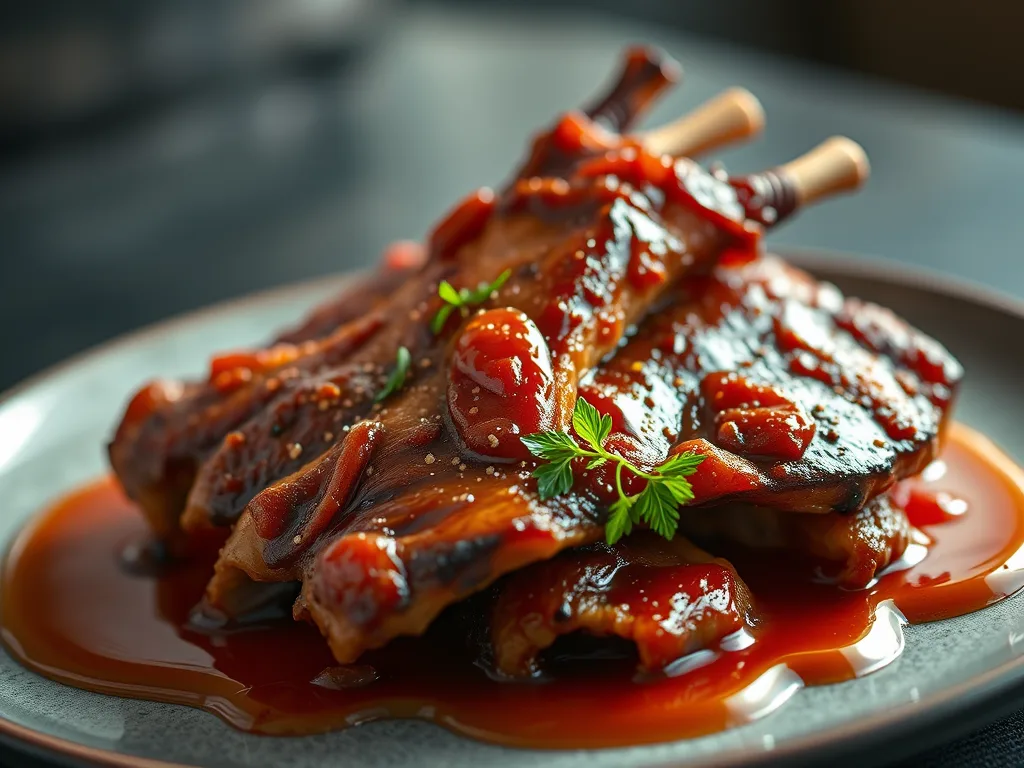
The Story Behind Peking Duck
Peking duck is one of the oldest known restaurant dishes in the world — the Bianyifang restaurant in Beijing, which still operates today, has been serving it since 1416. The dish traces even further back to the imperial kitchens of the Yuan dynasty, where the method of roasting whole ducks over fruit wood fires was first recorded. What makes Peking duck distinct is the preparation: the skin is separated from the meat with air, coated with a malt sugar glaze, and air-dried before roasting — a process that can take up to 24 hours — resulting in a lacquered, almost glass-like skin that shatters when cut. Traditionally, the duck is carved tableside and served in courses: first the crispy skin wrapped in thin pancakes with hoisin sauce and julienned scallion and cucumber; then the meat in stir-fry; then a broth made from the carcass. This recipe focuses on that iconic first course, adapted for the home kitchen without sacrificing any of the ceremony.
What I love about Peking duck is how much care goes into creating one unforgettable texture. Many roasted meats are judged by tenderness, but Peking duck is judged first by the skin. That crisp, glossy surface is the prize. The meat matters too, of course, but the ritual of wrapping thin slices of duck skin and meat inside Mandarin pancakes is what makes the dish feel so special. From Chef Ruben’s kitchen, this is the kind of recipe that teaches patience and respect for process. You are not just roasting a duck. You are drying it, glazing it, managing air circulation, and building contrast between crisp skin, juicy meat, soft pancakes, sweet sauce, and fresh vegetables.
In Beijing, Peking duck became a symbol of refinement because it required skill, time, and presentation. The tableside carving is part of the drama. A skilled carver can slice the duck so every piece has both skin and meat, ready to be tucked into pancakes. At home, we may not have a professional duck oven or a restaurant carving station, but we can still honor the spirit of the dish. Drying the duck uncovered in the refrigerator helps the skin lose moisture, which is essential for crisping. A glaze with maltose, honey, or sugar gives that deep amber shine. Roasting on a rack allows heat to circulate. The pancakes should be thin and flexible, not thick like tortillas, because they are meant to wrap delicately around the filling. Hoisin sauce adds sweetness and depth, scallions add sharpness, and cucumber adds cool crunch. The beauty of the dish is in the assembly. Everyone builds their own little wrap, and the meal becomes interactive. Peking duck also tells the story of Chinese imperial cuisine moving into public restaurant culture, then becoming internationally admired. It is ancient and modern at the same time. It feels luxurious, but it is also deeply communal. When you bring it to the table, you are serving more than roasted duck — you are serving ceremony, craftsmanship, and one of the great eating experiences of Chinese cuisine.
Time and Servings:
Prep Time: 15 minutes (plus 1 hour marinating time)
Cook Time: 1 hour 30 minutes
Total Time: 1 hour 45 minutes (active time) + 1 hour marinating
Servings: 4 servings
Nutrition (per serving):
Calories: 580 kcal
Protein: 28g
Fat: 42g
Carbohydrates: 30g
Fiber: 2g
Sugar: 10g
Sodium: 780mg
Ingredients:
- 1 whole duck
- 1/4 cup hoisin sauce
- 12 mandarin pancakes
- 2 tbsp honey
- 2 tbsp soy sauce
- 2 tbsp Chinese five-spice powder
- 4 green onions, sliced
Instructions:
- Prepare Duck:
- Clean and pat the duck dry. Prick the skin all over with a sharp knife to help render the fat during roasting.
- In a small bowl, mix honey, soy sauce, and Chinese five-spice powder. Rub the mixture evenly over the duck, inside and out. Allow the duck to marinate for 1 hour in the refrigerator.
- Roast Duck:
- Preheat the oven to 375°F (190°C).
- Place the duck on a roasting rack in a baking tray, breast-side up. Roast for 1.5 hours, basting every 30 minutes with the duck’s juices, until the skin is golden brown and crispy.
- Prepare Mandarin Pancakes:
- Steam the mandarin pancakes until they are soft and warm. Alternatively, heat them briefly in a dry skillet.
- Assemble and Serve:
- Slice the duck thinly, ensuring each piece has some of the crispy skin.
- Serve with hoisin sauce, mandarin pancakes, and sliced green onions. Encourage guests to assemble their pancakes by spreading hoisin sauce, adding duck slices, and garnishing with green onions before rolling them up.
Tips for Success:
- Crispier Skin: Air-dry the duck uncovered in the refrigerator overnight for extra crispy skin.
- Even Cooking: Rotate the duck halfway through roasting to ensure even browning.
- Homemade Pancakes: If you can't find mandarin pancakes, make them at home using a simple dough of flour and water.
Wine, Cocktail, Drink Pairing:
- Pair with a light Pinot Noir or a dry Riesling to balance the richness of the duck. For a non-alcoholic option, a jasmine tea provides a complementary flavor.