The Story Behind Chrysanthemum Tea
Chrysanthemum has been cultivated in China for more than 3,000 years, first as a ceremonial plant and later as a culinary and medicinal ingredient. Chrysanthemum tea (菊花茶, júhuā chá) has been brewed in China since at least the Song dynasty (960–1279 CE) and is one of the most widely drunk flower teas in Chinese herbal medicine, believed to cool the body, reduce inflammation, clear the eyes, and calm the liver. Traditional Chinese medicine classifies chrysanthemum as a “cooling” herb — ideal for counteracting internal heat caused by hot weather, spicy food, or extended screen time. Whether someone believes in the traditional medicinal framework or simply enjoys a gentle floral drink, chrysanthemum tea has remained beloved because it feels soothing from the first sip. It is light, fragrant, and calming without being heavy or overly sweet.
It is drunk hot in winter and served cold over ice in summer, often with rock sugar or wolfberries, also known as goji berries, added for sweetness and additional nutritional benefit. In Cantonese dim sum culture, chrysanthemum tea is one of the classic choices served alongside the meal. That makes sense because dim sum can be rich, salty, fried, steamed, sweet, and savory all at once, and chrysanthemum tea gives the table something delicate and cleansing. The flavor is light, subtly floral, and gently sweet — one of the most approachable herbal teas in any tradition. From Chef Ruben’s kitchen, I think of this tea as one of those recipes that reminds us food does not always have to be complicated to feel meaningful. Sometimes the whole recipe is just flowers, hot water, a little sweetness, and patience.
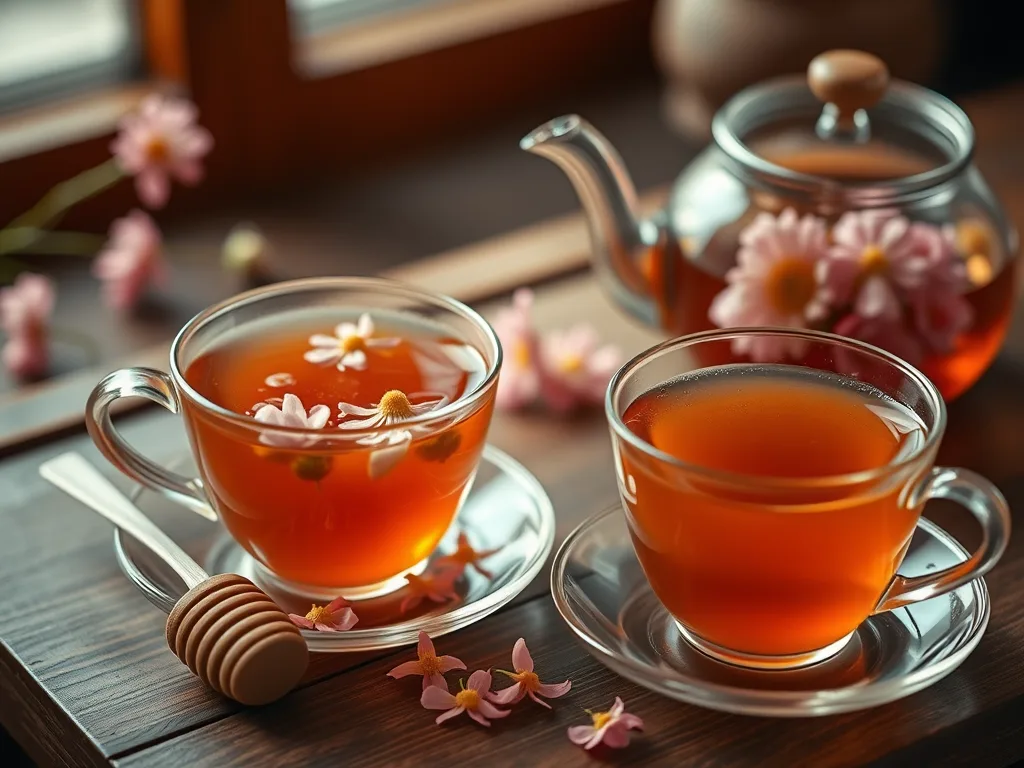
The technique is simple, but simple does not mean careless. Dried chrysanthemum flowers should be handled gently because they are delicate and can become bitter if over-steeped or boiled aggressively. I like to rinse them quickly first, then steep them in hot water rather than violently boiling them. Rock sugar is traditional because it dissolves slowly and gives the tea a clean sweetness, but honey can also work if you add it after the tea cools slightly. Goji berries add a little fruitiness and color, turning the cup into something beautiful. The tea can be served in a clear glass or teapot so you can watch the flowers open, which is part of the experience. This is a drink for quiet moments: after dinner, during a work break, when you need something warm without caffeine, or chilled in the refrigerator for a floral summer refresher. Chrysanthemum tea shows how a recipe can carry thousands of years of culture while still being gentle enough for an ordinary afternoon.
Time and Servings:
- Prep Time: 2 minutes
- Cook Time: 5 minutes
- Total Time: 7 minutes
- Servings: 2 servings
Nutrition (per serving):
- Calories: 5 kcal
- Protein: 0g
- Fat: 0g
- Carbohydrates: 1g
- Sugar: 0g (without honey)
- Fiber: 0g
Ingredients:
- 1 tbsp dried chrysanthemum flowers
- 2 cups hot water
- Honey (optional, for sweetness)
Instructions:
- Steep the Flowers:
- Place 1 tablespoon of dried chrysanthemum flowers in a teapot or heatproof cup.
- Carefully pour 2 cups of hot water over the flowers.
- Allow the tea to steep for about 5 minutes to fully release the floral flavors.
- Sweeten the Tea:
- Taste the tea as is, and if desired, add honey to sweeten.
- Stir well to ensure the honey dissolves completely.
- Serve:
- Strain the tea into serving cups to remove the flowers.
- Enjoy the tea warm for a soothing experience, or let it cool and serve over ice for a refreshing cold drink.
Tips for Success:
- Use high-quality, dried chrysanthemum flowers for the best flavor and aroma.
- Do not over-steep the flowers, as this can make the tea taste bitter.
- For an additional layer of flavor, add a few goji berries while steeping.
Wine, Cocktail, or Drink Pairing:
- Pair this light, floral tea with Chinese mooncakes or almond cookies for a delightful tea-time treat.